Which Ice Cube Shapes Are Best for Your Restaurant? The 2026 Guide

Ice is the most overlooked ingredient in any restaurant. It fills half the glass in an iced tea or soda, it chills a $15 cocktail, and it keeps a seafood display looking fresh. Yet most owners spend more time choosing the napkins than they do deciding which ice shape their machine should produce.
The shape of your ice directly affects how fast a drink cools, how quickly it dilutes, and what your customer sees when they pick up the glass. For most restaurants, the full cube is the smartest, most versatile place to start. It melts slowly, looks professional in any drink, and fits nearly every service style. But “most” does not mean “every.” Your menu, your volume, and the experience you want to create will determine whether the best ice for your kitchen is actually a crescent, a nugget, or something else entirely.
This guide breaks down all six major commercial ice shapes—what they are good at, what they are not, and which Naixer machine produces them. For a broader look at how to match equipment to the rest of your operation, see our commercial ice machine buying guide .
In this guide, you will learn:
Full Cube Ice: The Universal Workhorse

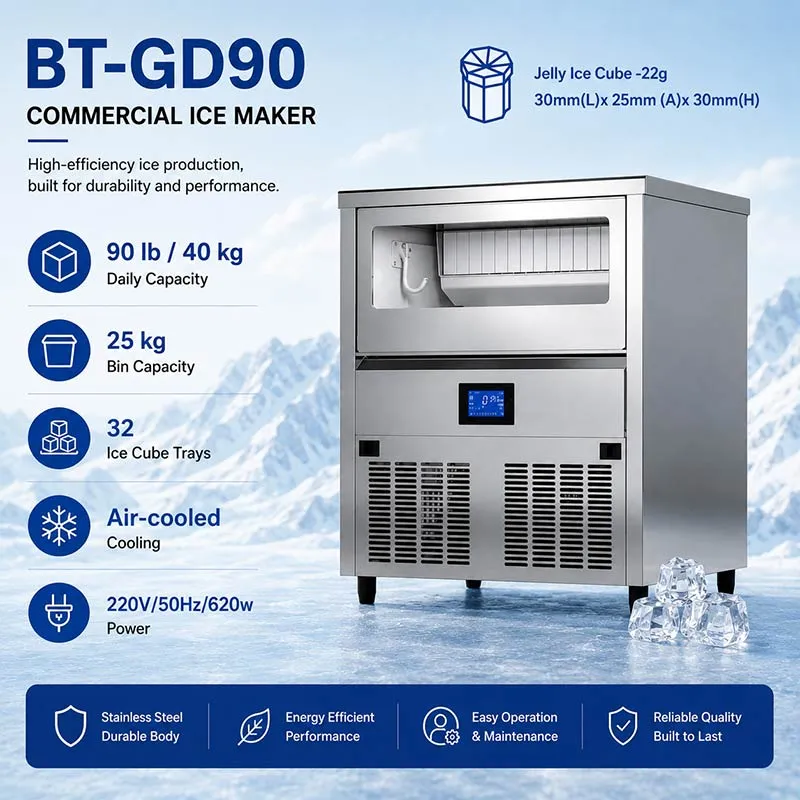
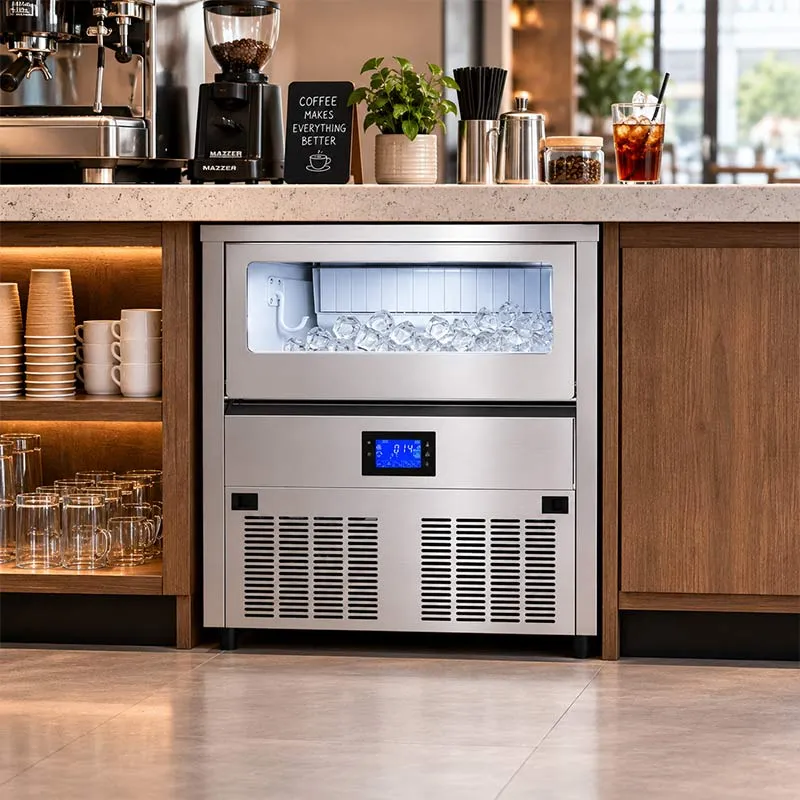
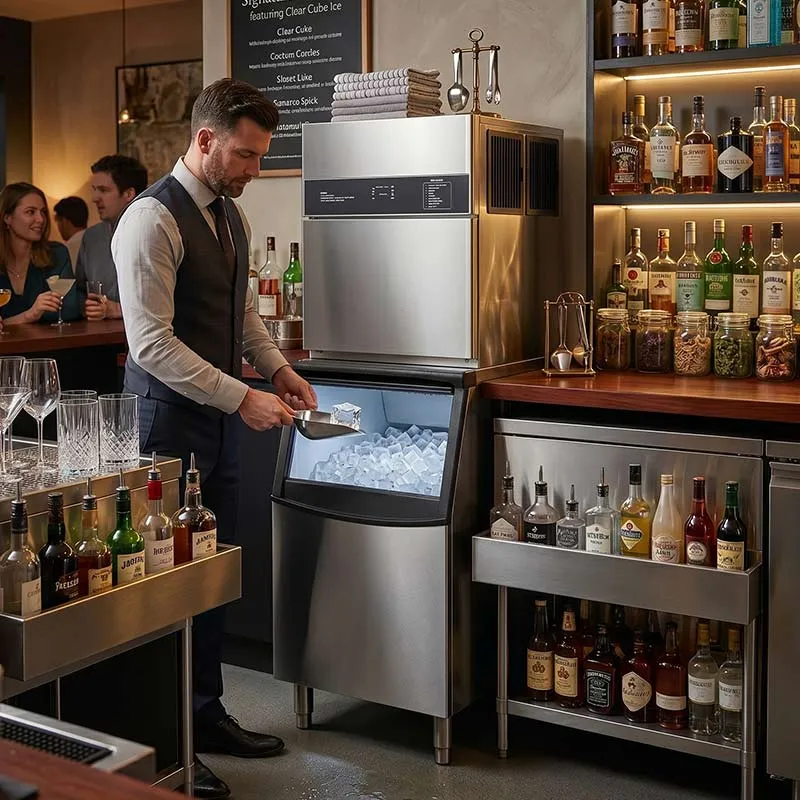
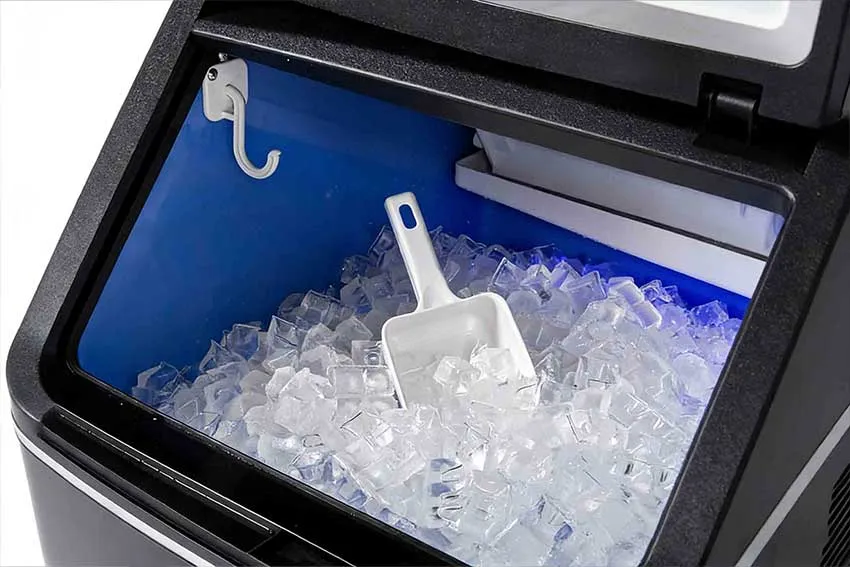
The standard full cube is what most people picture when they think of restaurant ice. Solid, square, and usually about 22 by 22 by 22 millimeters, it is the shape that comes out of virtually every commercial cube ice machine by default. It melts slowly because its surface-area-to-volume ratio is low. It looks clean and uniform. It does not draw attention to itself. For a high-volume bar, a fast-casual dining room, or a family restaurant serving hundreds of sodas and iced teas a day, full cube ice is the reliable, no-regrets option.
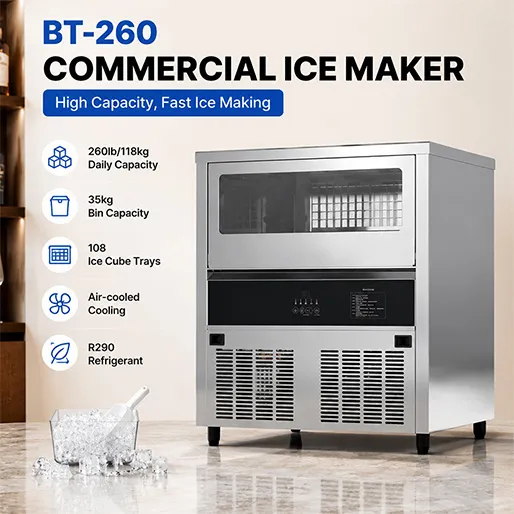
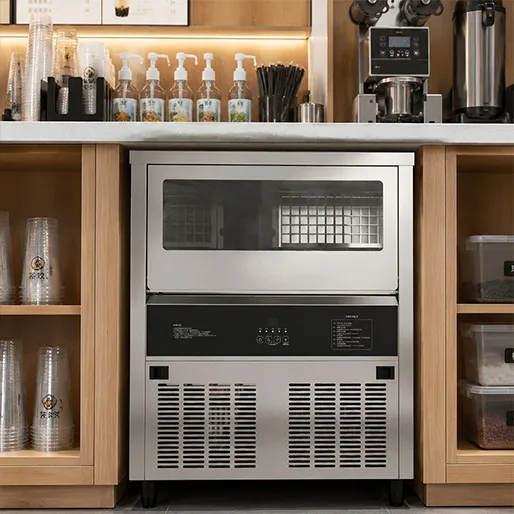
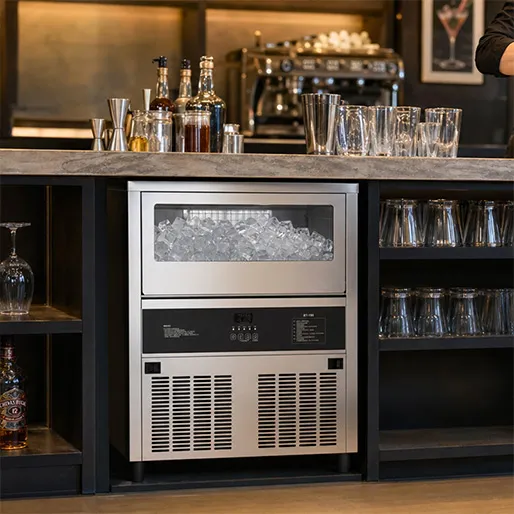
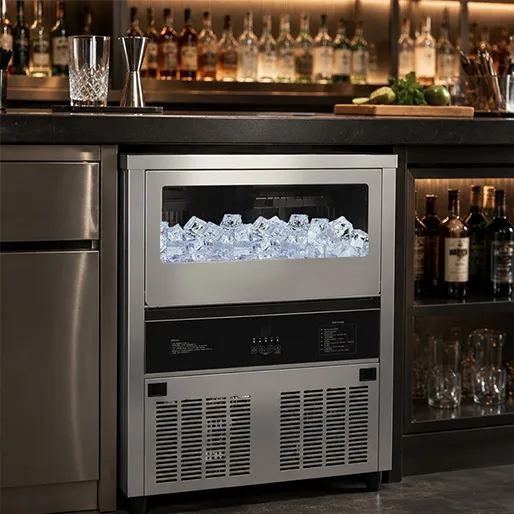
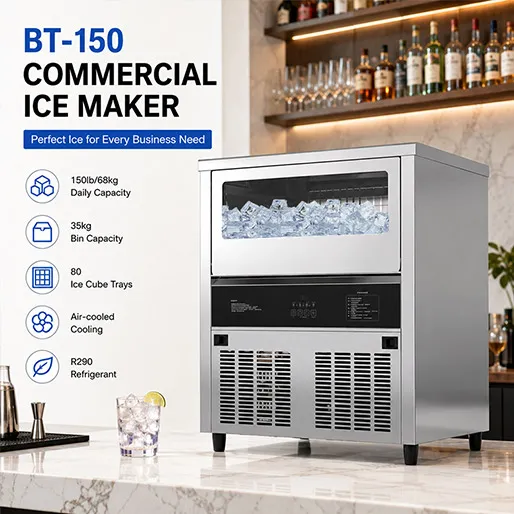
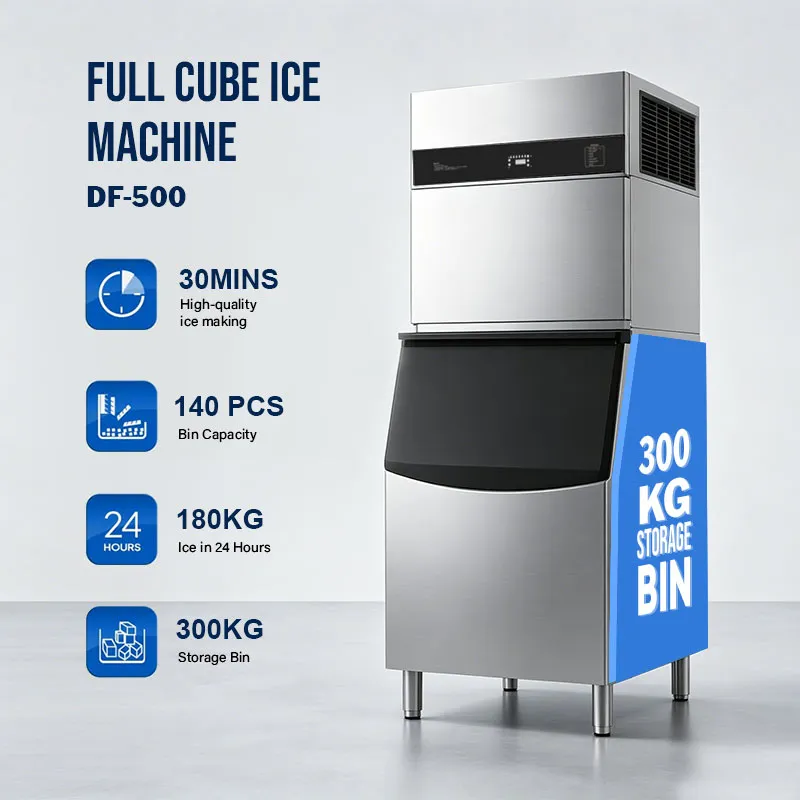
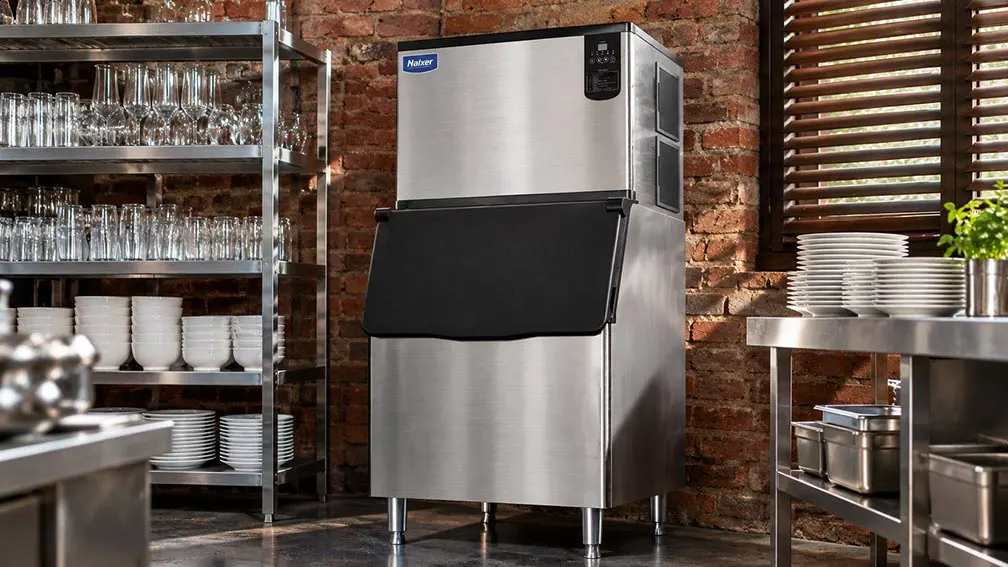
Naixer’s TH Series is built around this shape. The TH-80B is the compact undercounter unit for a small café or a modest bar. The TH-150B steps up the daily output to 150 pounds with 45 kilograms of storage, fitting comfortably under a standard counter. For a busy mid-sized restaurant, the BT-260 pushes to 260 pounds per day while still fitting under a counter, and the TH-500C moves into modular territory with 500 pounds of daily production and a 300-kilogram storage bin. Across this whole range, the ice is the same clear, slow-melting cube. The only difference is how much of it you need.
Half Cube Ice: Speed and Efficiency

A half cube is exactly what it sounds like: the same square shape, just smaller. Some versions have a slight hollow or a dimple in the center, which increases surface area even further. This shape chills a drink almost instantly. It packs efficiently into a cup, which means less ice is needed to achieve the same fill level—a small cost advantage that adds up when you are serving thousands of drinks a week.
Fast-food chains and self-service beverage stations lean heavily on half cube ice for these reasons. It cools soda fast, fills the cup, and costs less per serving. The trade-off is that it melts a bit faster than a full cube, so it is not the best choice for a premium cocktail that someone will sip over 20 minutes. But for high-volume soft drinks, iced teas, and blended beverages, half cube is the efficiency play.
Many Naixer cube ice machines, including the TH-80B and TH-150B, can be adjusted to produce half cube ice instead of full cube. This gives you the flexibility to switch shapes as your menu evolves, without buying a new machine.
Crescent Ice: The Bartender's Upgrade
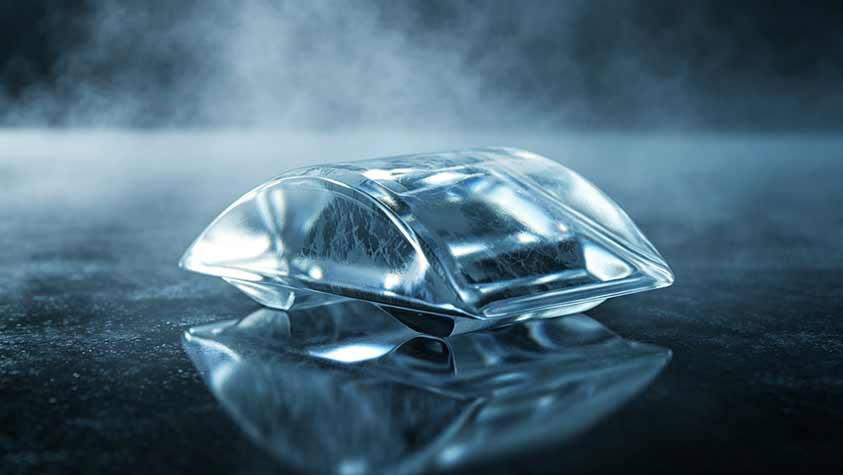
Crescent ice is the half-moon shape with a distinctive curved top and a flat bottom, typically about 30 by 38 by 13 millimeters. If you have watched a barista pour a shot of espresso over ice that did not splash or shatter, you were probably looking at crescent ice.
The curved surface is engineered to channel liquid smoothly around the cube. This means less splashing when pouring, which saves product and keeps the bar cleaner. It also means hot liquids cool rapidly without the ice cracking. Because crescent ice is solid all the way through—no hollow center—it melts slowly, preserving the flavor of a spirit-forward cocktail or an iced latte for the full drinking experience.
Specialty coffee shops and craft cocktail bars have adopted crescent ice as their standard for exactly these reasons. If your bar program is built around Old Fashioneds, Negronis, and Espresso Martinis, crescent ice is worth the upgrade. Naixer’s TH-SE Series produces this ice. The TH-SE150 is a compact undercounter unit producing 150 pounds per day. For higher volume, the TH-SE600 scales up to 600 pounds daily. If you want a deeper understanding of how ice shapes influence drink quality, our guide on what type of ice is best for a bar covers the cocktail-specific side of this decision.
Gourmet Large Cube Ice: The Premium Pour

A large gourmet cube is exactly what it sounds like: a solid, crystal-clear, perfectly square block of ice, usually 28 to 50 millimeters on each side. It is the slowest-melting shape in commercial use because it has the lowest surface-to-volume ratio of any ice type. A single two-inch cube can keep a glass of whiskey cold and undiluted for 20 to 30 minutes.
This ice is not about volume. It is about presentation and pricing. When a customer orders a $30 pour of single malt and sees a single gleaming cube drop into the glass, the perception of value shifts. That cube supports the price on the menu.
The trade-off is that gourmet ice machines produce ice more slowly than standard cube machines. A batch of large cubes takes longer to freeze and harvest, so daily output is measured in tens or low hundreds of pounds, not thousands. This is ice for the top shelf, not the well.
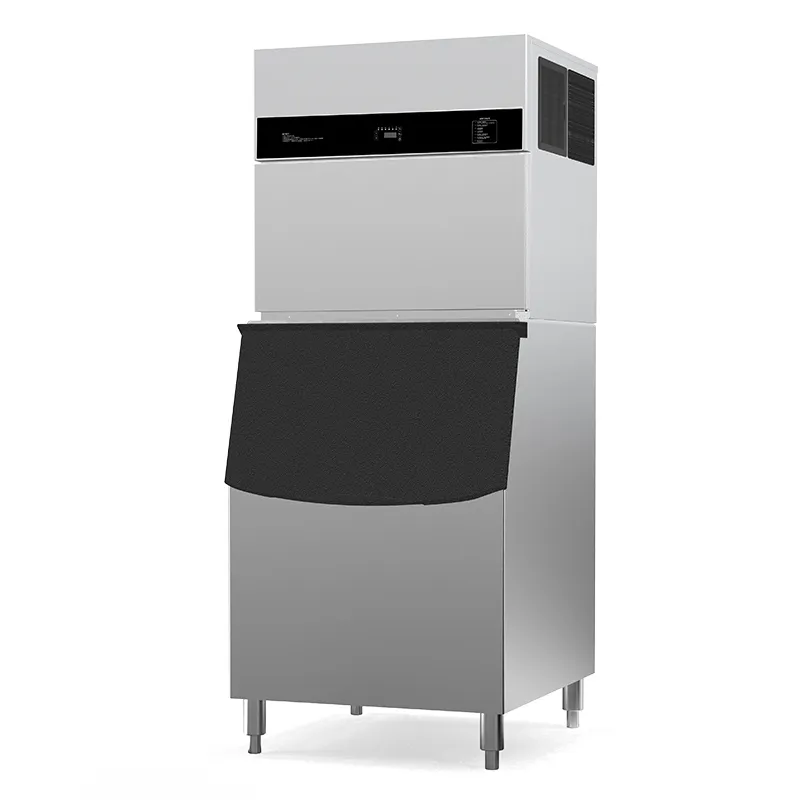
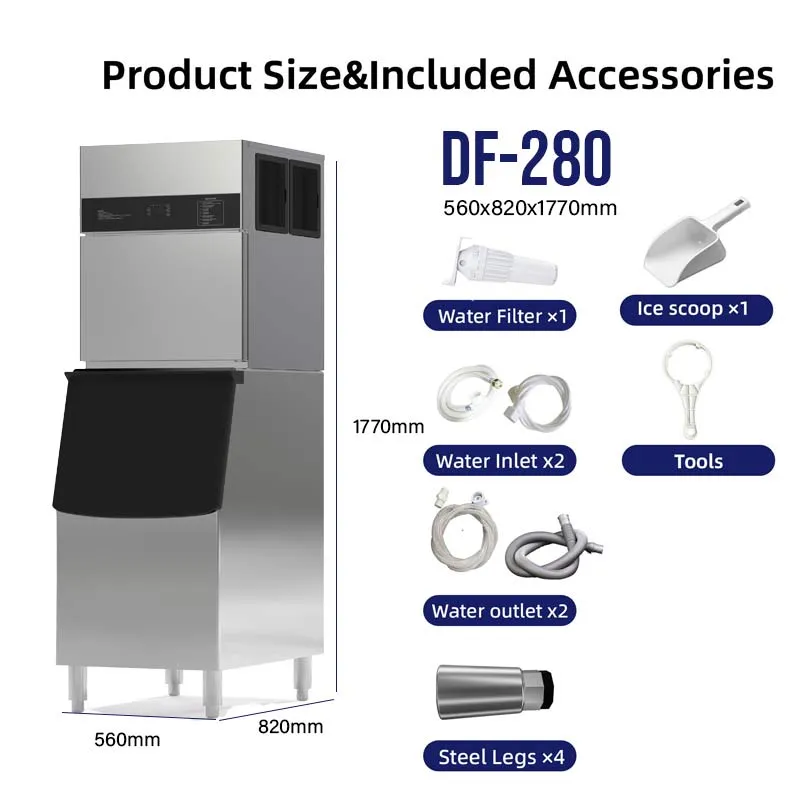
Naixer’s TH-DF Series is the dedicated gourmet ice line. The TH-DF130 produces 130 pounds of 50-millimeter cubes per day, making it ideal for a whiskey bar or a high-end steakhouse. The TH-DF280 delivers 280 pounds of slightly smaller 28-by-28-by-32-millimeter cubes for operations that need more output.
Nugget Ice: The Chewable Favorite

Nugget ice—also called pellet ice, pebble ice, or Sonic ice—is soft, porous, and made by compressing flake ice into small cylinders. It absorbs the flavor of whatever it is in, and people love to chew it. Some foodservice operators have reported sales increases of over 25 percent after switching from cube ice to nugget ice in their beverage programs. The ice itself becomes a reason customers choose your location over the one down the street.
The catch is that nugget ice melts faster than any cube. All those air pockets that make it chewable also make it short-lived. It is perfect for a large soda that someone finishes in ten minutes. It is a poor choice for a craft cocktail that needs to hold its balance for half an hour.
Fast-food chains, convenience stores, and healthcare facilities are the natural homes for nugget ice. Naixer offers the ZD-KL60, a compact countertop nugget ice maker that produces 132 pounds per day and works well as a secondary machine for a beverage bar or dessert station. For more on this category, our best nugget ice maker guide compares models and use cases.
Flake Ice: The Food Display Specialist

Flake ice is the soft, snow-like shaving that you see cradling fresh fish at a seafood counter or keeping salad bar ingredients chilled. It molds around whatever it touches, providing 360 degrees of cooling contact without crushing or bruising delicate product. It cools food faster than any other ice type because its surface area is enormous.
Flake ice is not for beverages. It melts almost instantly and will turn a soft drink into water before the customer takes a third sip. But for a seafood restaurant, a sushi bar, a hotel buffet, or a butcher shop, it is irreplaceable.
Naixer’s PB Series can be configured as flake ice machines. The PB-300, PB-500, and PB-1000 cover everything from a small seafood market to an industrial food processing line, producing between 300 and 1,000 kilograms of flake ice per day. If you need a broader overview of how different ice types fit into different foodservice operations, see our guide on what type of ice do restaurants use .
How to Match Ice Shape to Your Restaurant
If your restaurant is a general-purpose operation—a diner, a family restaurant, a casual bar—full cube ice will almost certainly serve you well. It is the most flexible, the most widely accepted, and the easiest to produce at scale. A Naixer TH-80B or TH-150B will cover a small to mid-size venue without taking up excessive space.
If your concept revolves around craft cocktails or specialty coffee, the upgrade to crescent ice is one of the highest-impact equipment decisions you can make. The cooling speed, the slow dilution, and the visual appeal directly affect drink quality and customer satisfaction. The Naixer TH-SE150 is the entry point; the TH-SE600 scales to meet chain-level demand.
If you run a high-end whiskey bar, a premium steakhouse, or any venue where a significant portion of your revenue comes from spirits served neat or on the rocks, a gourmet large cube machine like the Naixer TH-DF130 or TH-DF280 is not a luxury. It is a tool that protects the margin on your most expensive pours.
If you are a fast-food operator, a convenience store, or a healthcare facility looking to increase fountain drink sales and customer loyalty, nugget ice is the shape with a proven track record of driving repeat business. The ZD-KL60 handles smaller volumes; the PB-300 or PB-500 handle full-scale commercial demand.
If your business is seafood, meat, or produce—anything that sits on display and needs to stay cold without being crushed—flake ice is your only real option. The Naixer PB Series in flake configuration is the machine for that job.
The common thread across all these recommendations is that the ice shape is not an aesthetic decision. It is an operational one. It affects how fast your bartenders can work, how consistent your drinks taste, and how much you can charge for them.
Ice Cube Shapes for Restaurants — Quick Answers
What is the most common ice cube shape used in restaurants?
Full cube ice. It melts slowly, looks clean, and works for virtually every cold drink on a standard menu. Most commercial cube ice machines produce full cubes by default.
Which ice shape is best for cocktails?
For spirit-forward cocktails like an Old Fashioned or Negroni, crescent ice or a large gourmet cube is best because it cools without diluting. For shaken cocktails like a Margarita or Daiquiri, standard full cube ice is the workhorse.
What type of ice do fast food restaurants use?
Most use half cube ice for rapid cooling and efficient cup filling, or nugget ice for its chewable texture. Sonic and Chick-fil-A built their reputations on nugget ice.
Can one ice machine produce multiple ice shapes?
No. Each shape requires a different evaporator and harvest mechanism. A cube ice machine cannot make nugget ice. A flake ice machine cannot make crescent ice. Plan your ice shapes before you buy your equipment.
Which ice shape melts the slowest?
A large gourmet cube or sphere, because it has the smallest surface-to-volume ratio. Crescent ice and full cube ice are next. Nugget and flake ice melt the fastest.
How do I choose the right ice machine for my restaurant?
Start with your menu and your peak-hour ice demand. Then measure your available space and decide on the installation type. Our guide on the best ice machine for restaurant walks through the full selection process.