How to Choose a Commercial Ice Maker: 7 Things to Consider (2026 Guide)
There’s no way around it—choosing the best commercial ice maker for your business is a challenging task! Many factors go into determining the right ice machine that works for you. From ice production capacity to ice type, from cooling systems to installation requirements, every decision impacts your daily operations and bottom line.
With over 16 years of industry experience, 300+ technical patents, and a 30,000 square meter manufacturing facility, Naixer has helped thousands of businesses find their perfect ice solution. Here are what we consider to be the seven most important tips when it comes to choosing the right commercial ice machine for your business.
If you’re having a difficult time choosing the best ice machine that works for you, we’re here to help.
Use our ice calculator to find the perfect commercial ice maker for your restaurant, bar, or hotel. Learn how to calculate daily ice needs and choose the right machine.
The trickiest thing to determine is how to choose the right amount of ice for your business. Depending on your industry, ice can be used in many different places that have nothing to do with drinks. So how can you account and estimate for all the ice your business needs?
Start with your busiest and hottest day.
First, since drinks are usually the primary area you’ll be using ice, you need to estimate how much you’ll need within your industry. When choosing an amount, base it off your busiest AND hottest day. By thinking of your busiest day—such as a busy weekend or holiday—you’ll be best prepared during a rush in business.
Heat lowers ice machine production rate because it must work harder to produce a batch of ice. If you live in an area with particularly hot summers, like Arizona or Nevada, you’ll need an ice machine with a little more output to make up for the drop in production.
Consider non-beverage ice needs.
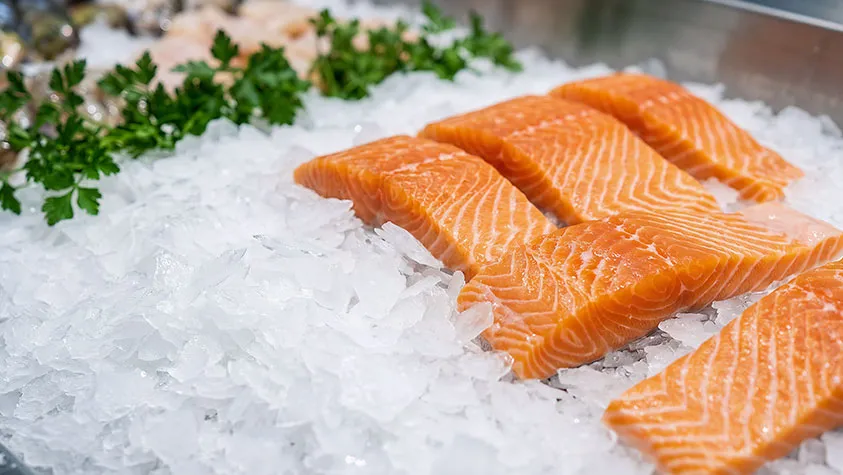
Next, you need to consider where you’ll be using ice beyond what you need for drinks. If you have a bar well, how much ice is required to refill that area? Does the kitchen need ice for food prep? Do you run a medical center and use ice to reduce swelling? Many of these questions can be answered by asking your staff and having a clear understanding of your business needs.
The cost of running out.
Running out of ice can cost you a lot in replacement ice from an ice delivery service. Ice delivery costs between $1-$3 per 10 lbs and can take hours to arrive.
Business Size
Daily Ice Need
Recommended Naixer Model
Small café / office
30-60 kg (66-132 lbs)
KL-60 (60kg/day nugget ice) or TH50 (30kg/day cube ice)
If you want to choose the best commercial ice machine, you need to know what shape of ice cube you need as well. Nugget ice, cubed ice, flaked ice, and crescent ice all have unique effects on the look and experience of each drink. Choosing the right ice types for your business can turn into a key advantage against competitors that only offer a single ice type.
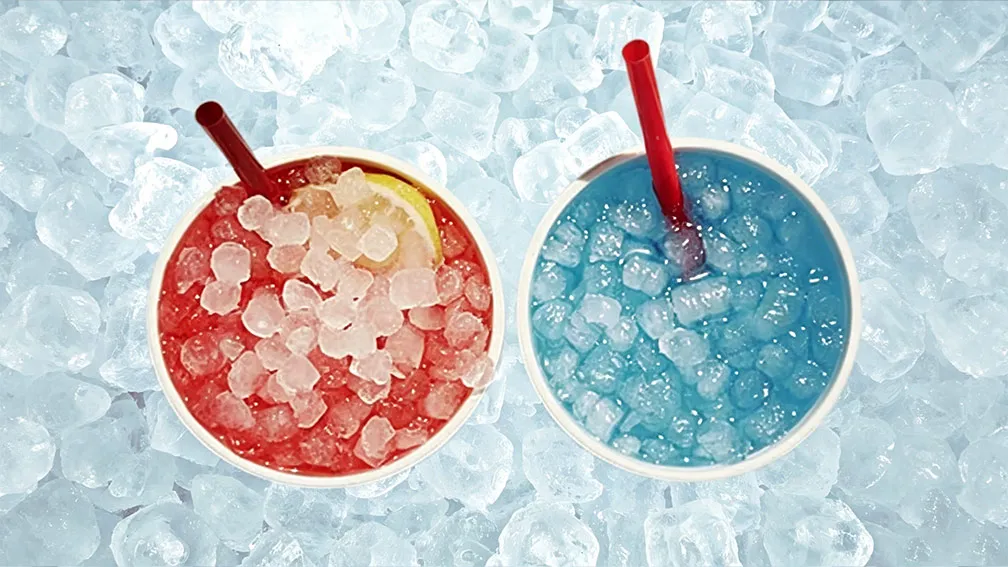
Characteristics: Soft, chewable, absorbs beverage flavors. This is the addictive Chick-fil-A ice that customers crave. Perfect for bubble tea shops, fast food restaurants, and healthcare facilities. Children and hospital patients can safely chew it.
Applications: Bubble tea shops, fast food, healthcare, office break rooms.
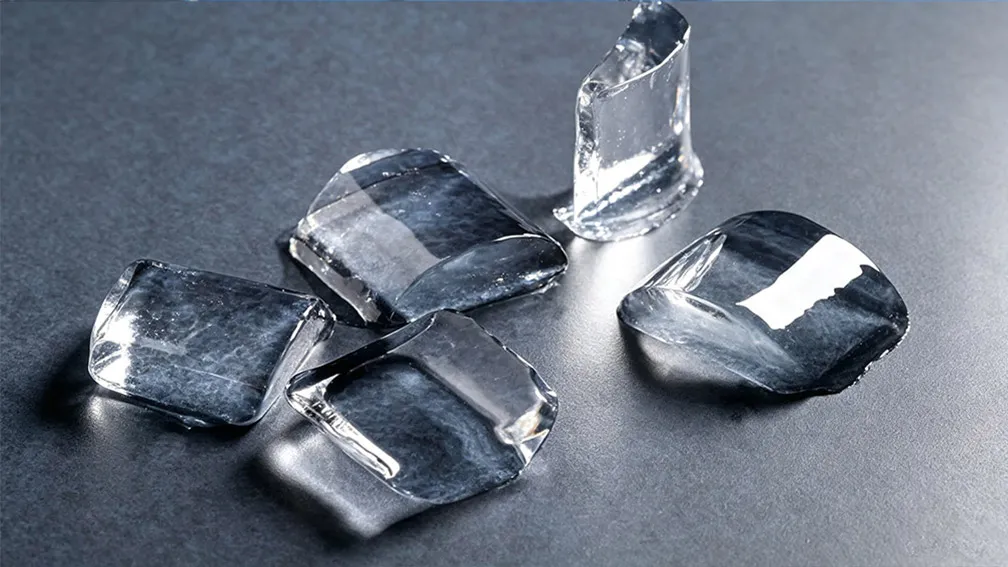
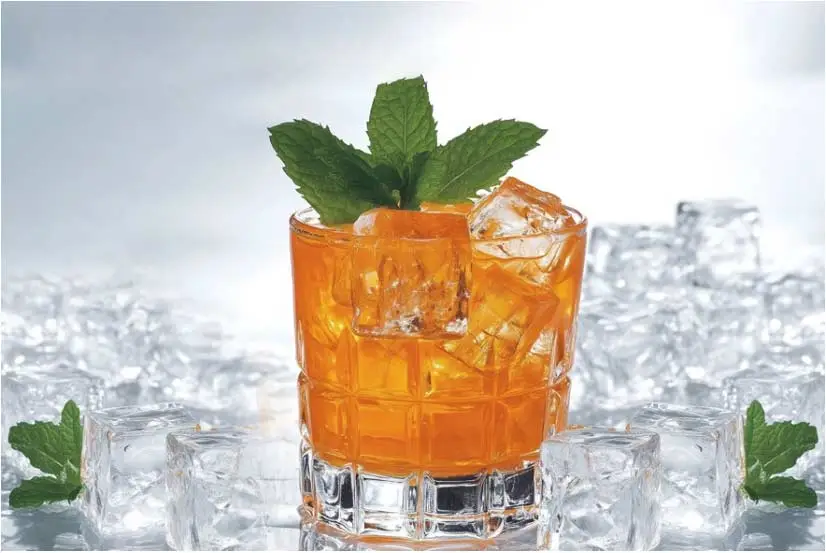
Characteristics: Crescent shape (30x38x13mm), extremely slow-melting, doesn’t dilute drinks. The first choice for craft bars, whiskey lounges, and fine dining.
Commercial ice machines come in different configurations to suit different installation environments. Your choice affects flexibility, capacity, and how much space the machine requires.
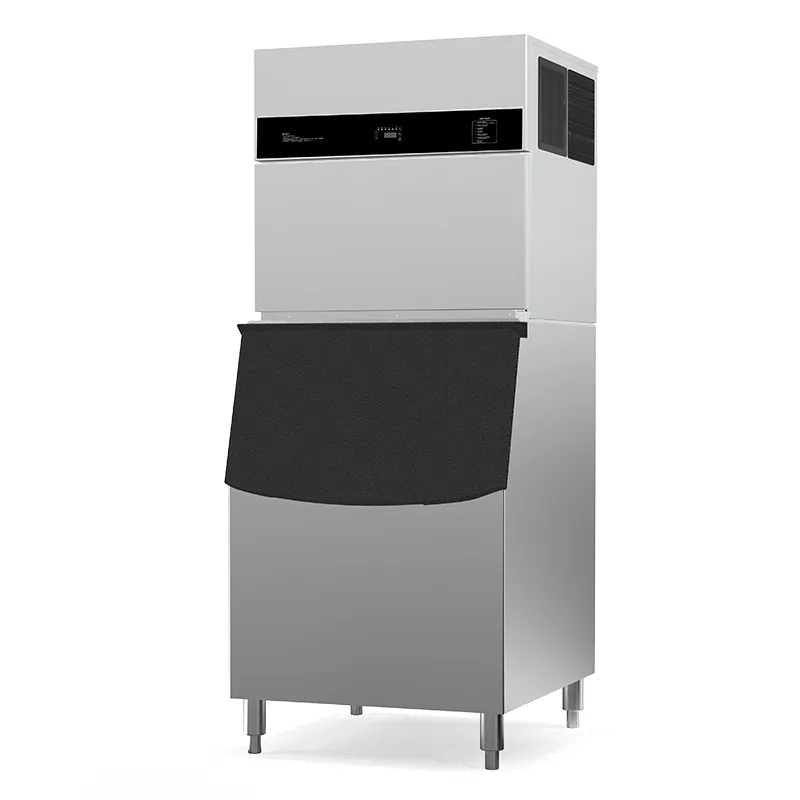
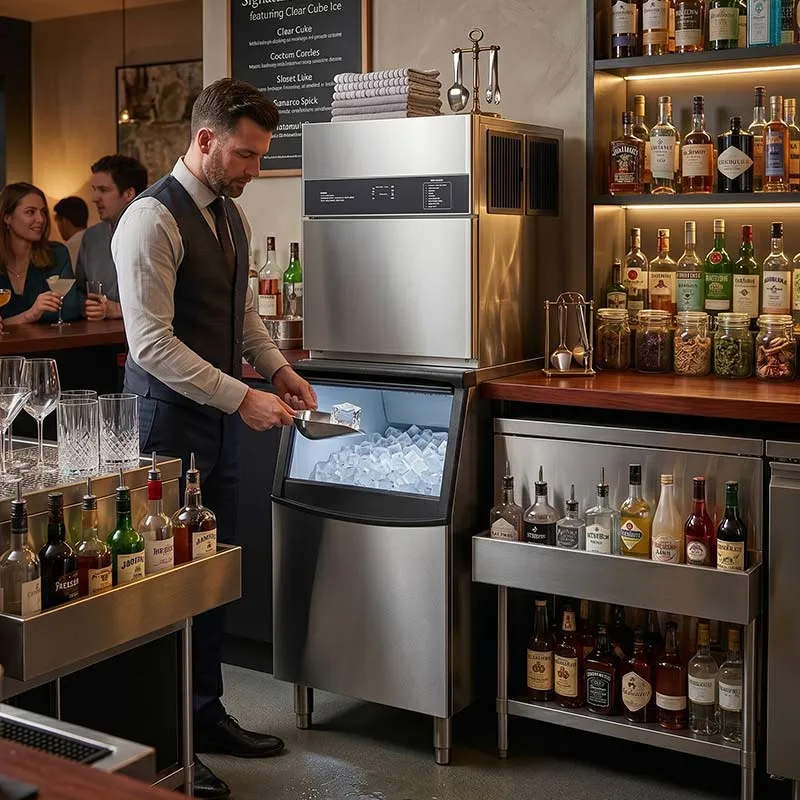
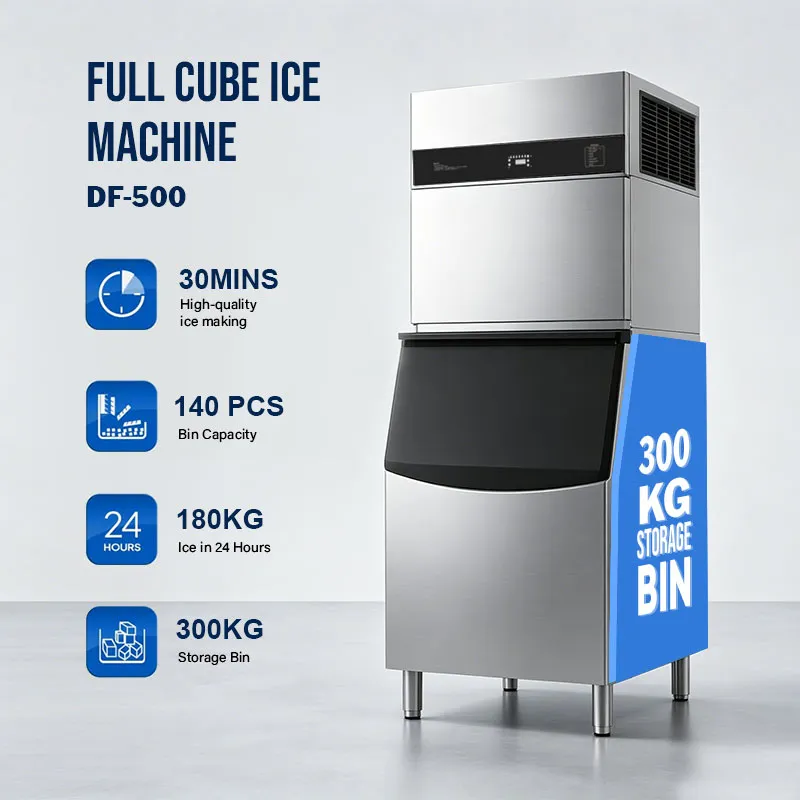
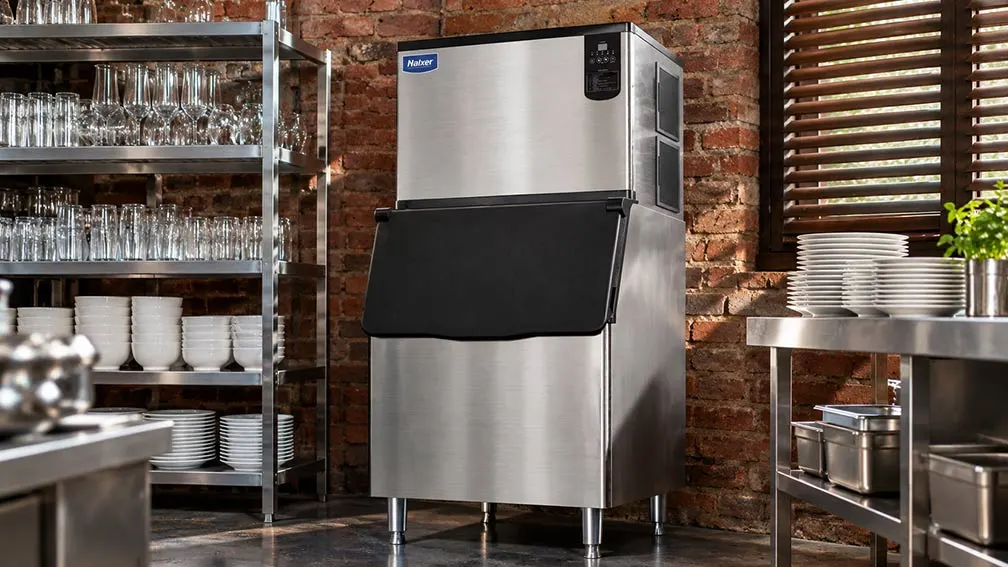
Modular (Split) Ice Machines: The ice-making head sits on top of a separate storage bin. This allows you to mix and match production capacity with storage size. Ideal for high-volume applications like hotels, banquet halls, and large restaurants.
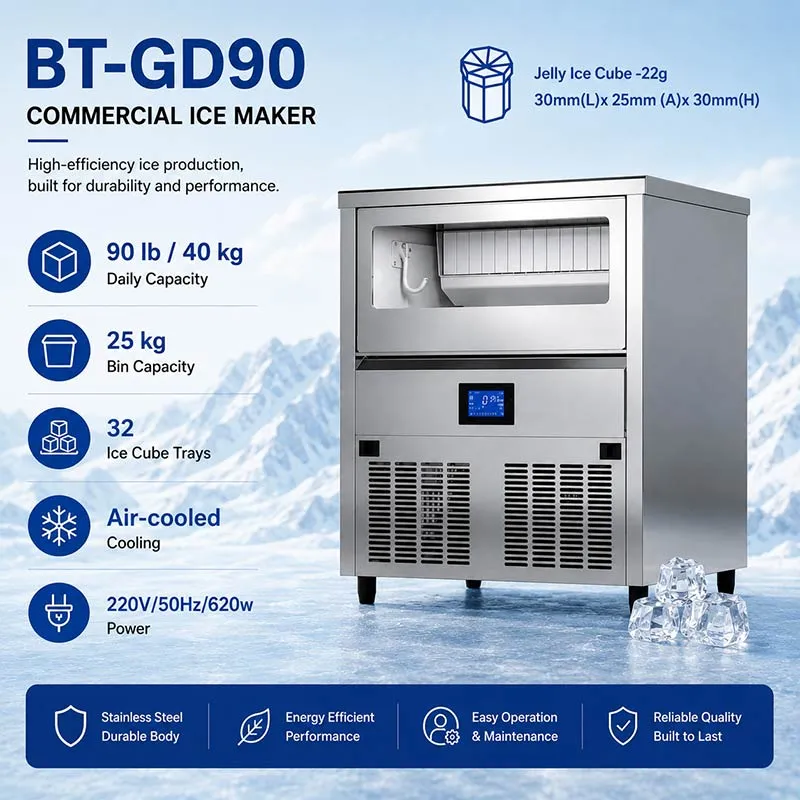
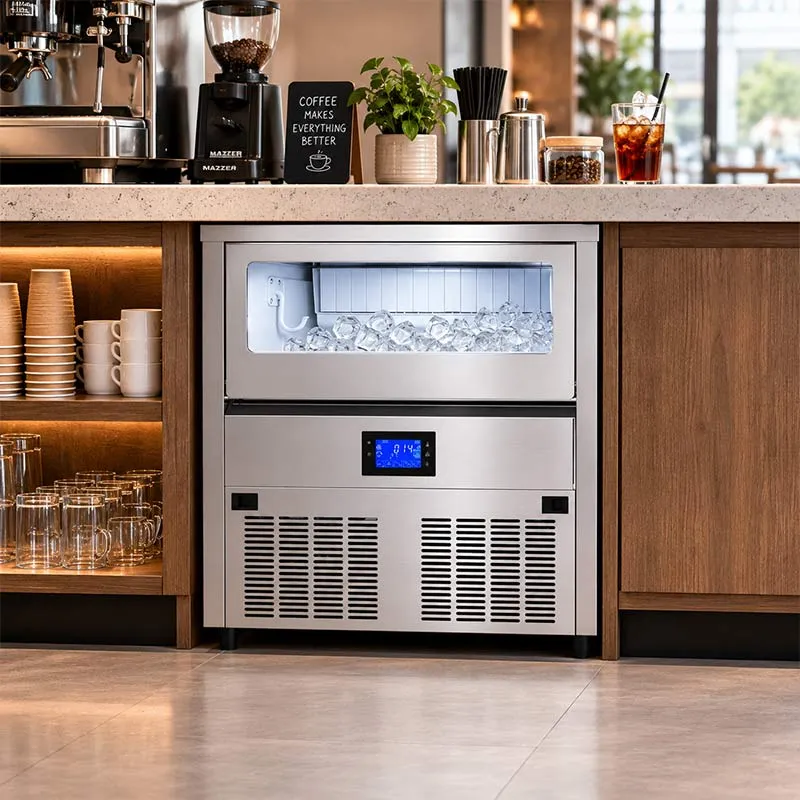
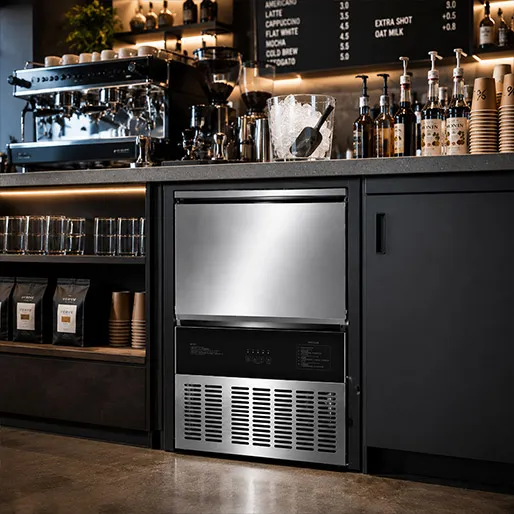
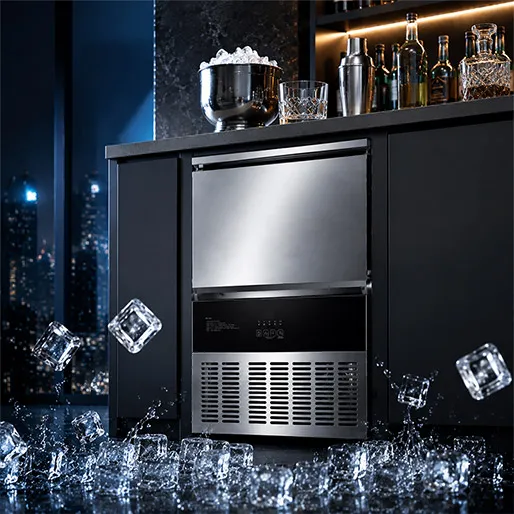
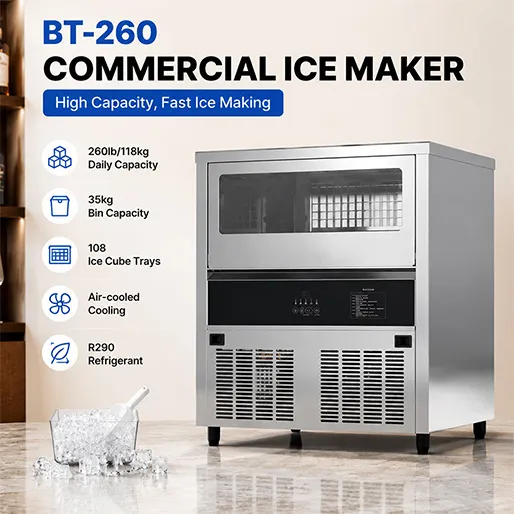
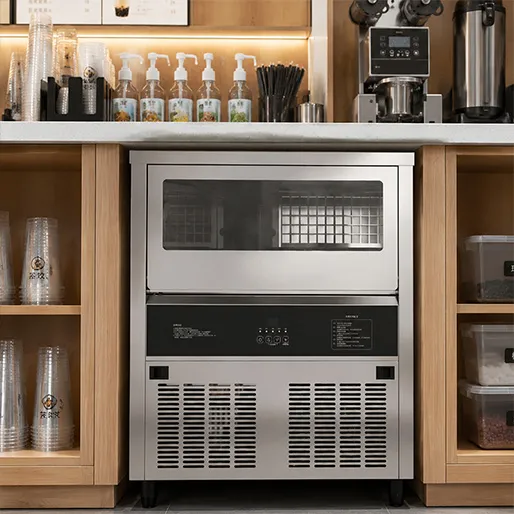
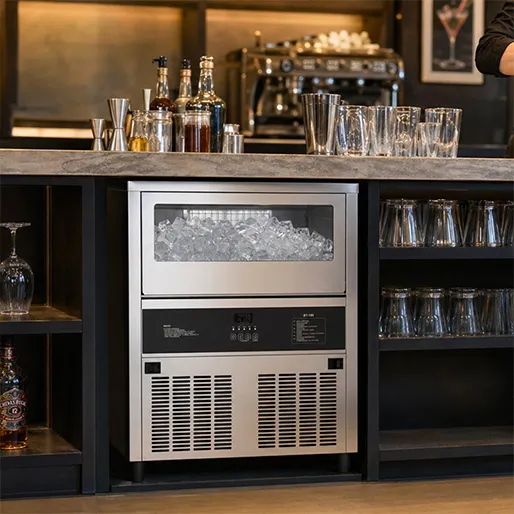
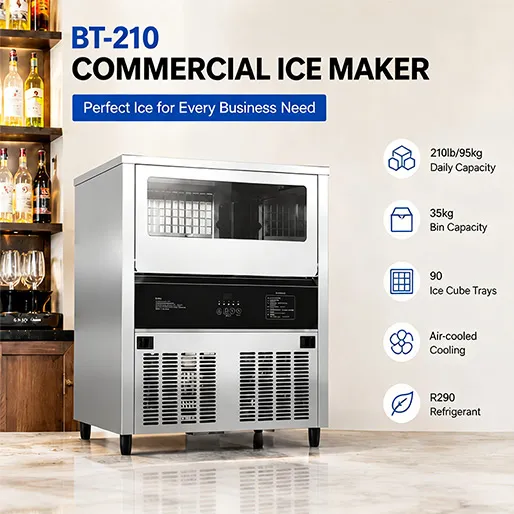
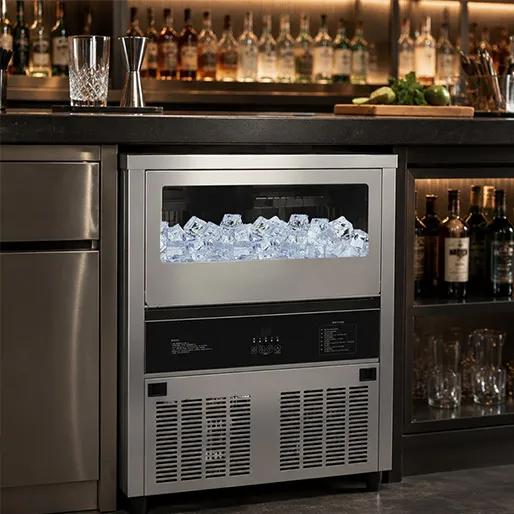
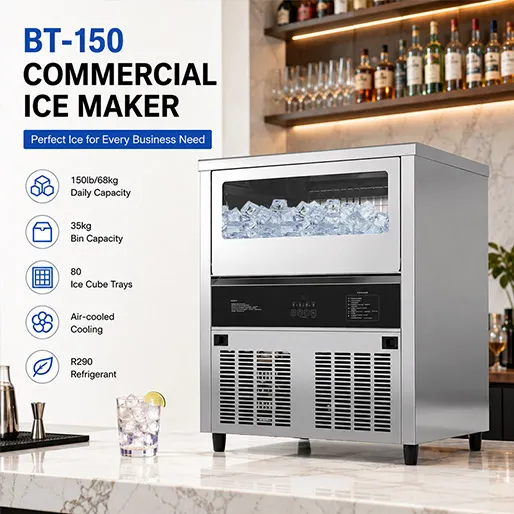
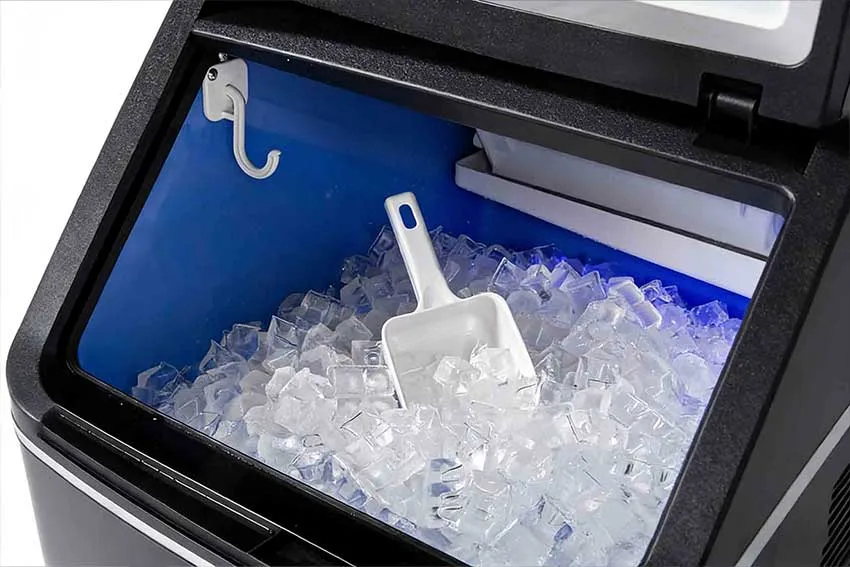
Undercounter (Built-in) Ice Machines: Self-contained units that fit under a standard counter, combining the ice maker and storage bin in one cabinet. Perfect for bars, cafés, and small restaurants where space is limited.
Countertop Ice Machines: Compact units that sit on a countertop. Best for very small spaces or limited ice demand.
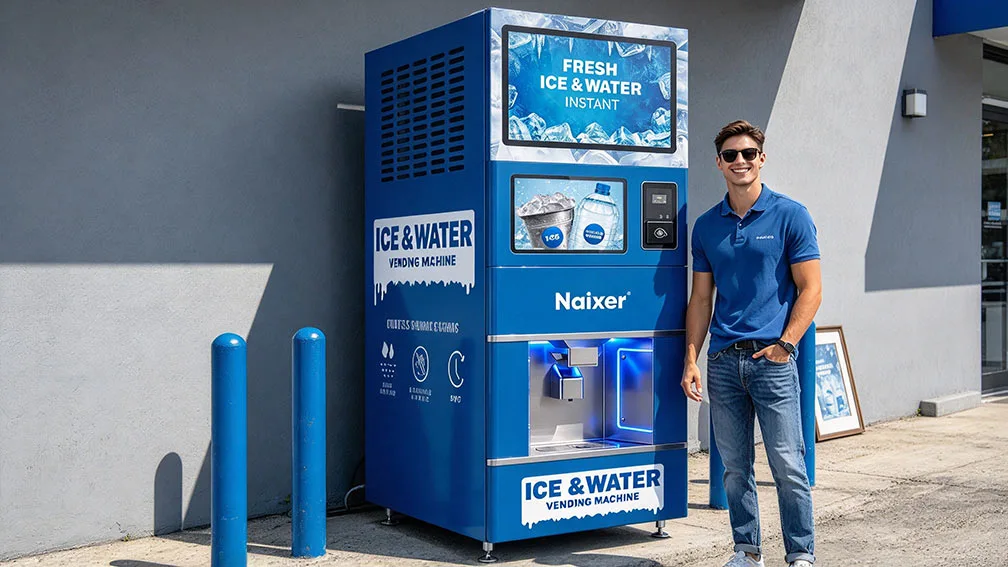
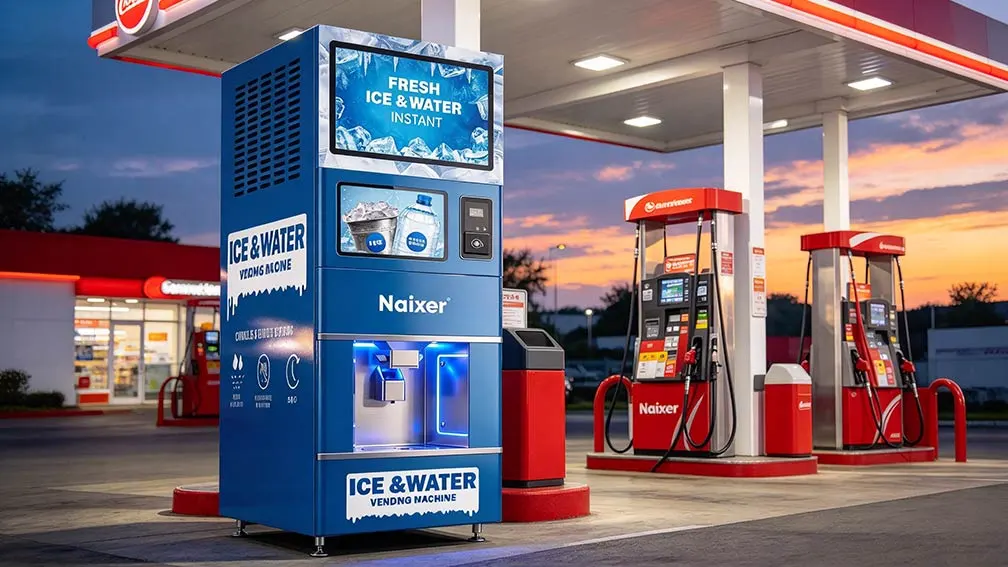
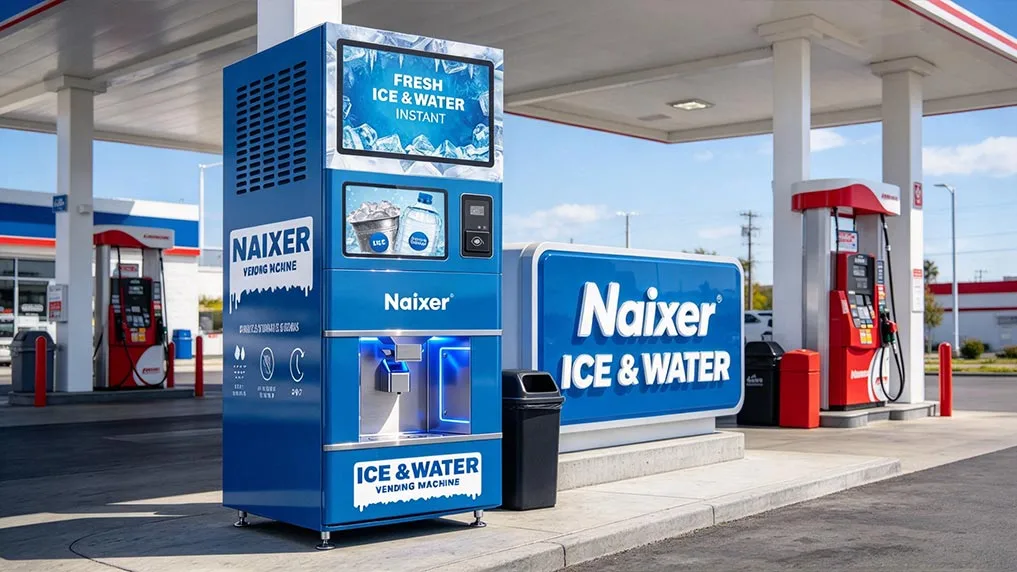
Ice Dispensers: Machines with built-in dispensing mechanisms for self-service use. Common in hotels, hospitals, and convenience stores.
Even the best ice machine needs the right amount of space to operate. If you choose an air-cooled machine (by far the most common choice), you’ll also need enough space for ventilation.
Why ventilation matters.
Air-cooled ice machines generate heat as they run, so they emit that heat out of vents located on the unit. Air-cooled ice maker installation requires enough ventilation and air flow to escape, or else it can re-enter your ice machine and cause a microclimate, where the internal temperature of your machine is much higher than the room temperature.
An overly hot ice machine will have a lower ice production rate and could cause serious issues if the problem persists.
Installation guidelines.
You want to install your ice machine in a large room with plenty of ventilation and air flow. Ideally, you want only one wall within a foot and a half from the ice machine (preferably a side that doesn’t have venting). The goal is not to box the ice machine in, causing hot air to hover around the machine and possibly reenter the unit.
Naixer space planning.
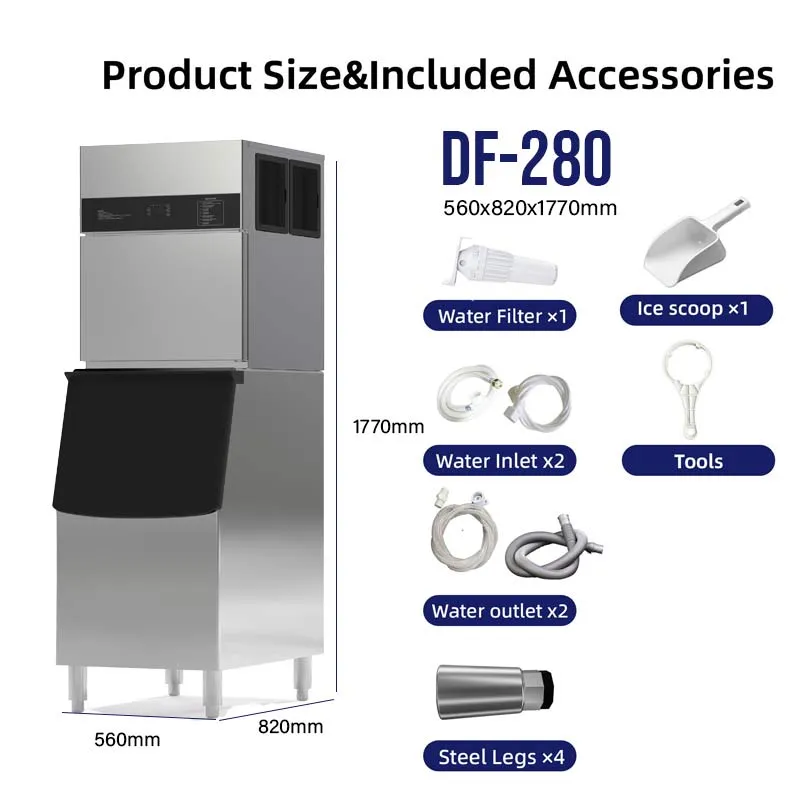
All Naixer models come with detailed dimension drawings in our catalog (pages 8-12). Before purchasing, measure your space carefully and check:
Width, depth, and height requirements
Ventilation clearance (At least 6 inches for air-cooled models)
Doorway access for delivery
Provide the Right Drainage
Every ice machine needs water to make ice, and that means ice machine installation needs proper drainage.
Different setups for different machines.
Modular or self-contained machines installed on a bin or dispenser need a floor drain for excess water to run.
Countertop ice machines and dispensers often run their excess water into the same drain used by a nearby sink, using a wye fitting, reducer coupling, and appropriate bell fitting.
The critical requirement: air gap.
In every setup, you’ll need an air gap to ensure water doesn’t run back up the drainage tube and back into your ice machine. Almost all municipalities require an air gap with ice machine installations. If a health inspector finds that you installed your ice machine without one, you’ll likely receive a violation.
Naixer design advantage.
All Naixer ice machines feature standardized drain connections, making installation straightforward and compatible with local plumbing codes. Our technical support team can provide guidance for your specific setup.
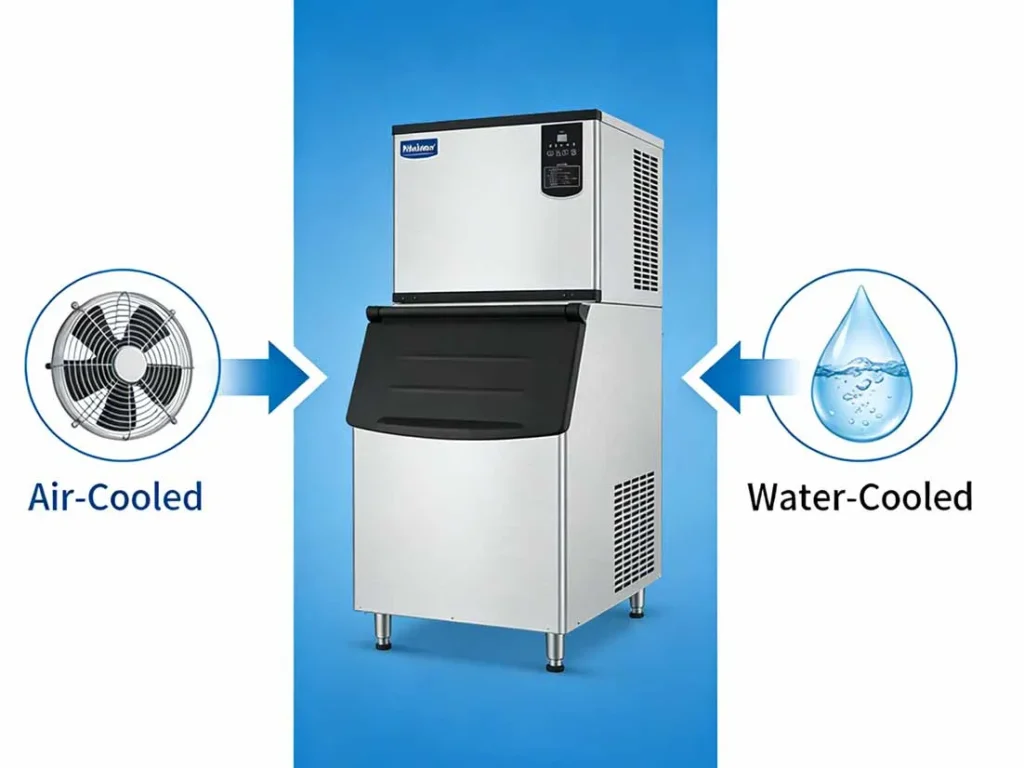
Choose the Right Condenser: Water-Cooled vs. Air-Cooled Ice Makers
While air-cooled machines, which use a fan to cool condenser coils, are the most popular type for most businesses, there are important options to consider.
Air-Cooled Ice Makers
How they work: Use a fan to draw air over condenser coils, expelling heat through vents.
Advantages: Simpler installation, lower energy consumption, environmentally friendly (no water waste).
Disadvantages: Efficiency depends on ambient temperature; requires good ventilation.
Best for: Well-ventilated, temperature-controlled indoor spaces.
How they work: Condenser unit installed separately from the ice machine (often outdoors).
Advantages: Removes heat completely from workspace; maximum installation flexibility.
Disadvantages: Higher initial installation cost; requires contractor for wall/ceiling work.
Best for: New construction, major renovations, operations where kitchen heat is a concern.
Conclusion: Find Your Perfect Commercial Ice Maker
The best commercial ice machine is the one that suits your specific needs—whether it’s a compact nugget ice maker for your bubble tea shop, a high-capacity cube ice machine for your restaurant, or a premium crescent ice maker for your cocktail bar. When it comes to the right model, the choice comes entirely down to your needs and preferences.
Industry expertise: 15 years, 300+ patents, 30,000㎡ factory
Comprehensive support: 12-month warranty, 24/7 after-sales service
Ready to find your perfect match?
Call the ice experts at Naixer today. Whether you need help sizing, have installation questions, or want to discuss your specific needs, our team is here to help.
Need help finding the right ice machine for your business?
Naixer Ice has the right machine for you.
Frequently Asked Questions About Commercial Ice Machines
What is the most common type of commercial ice machine for restaurants?
Modular ice machines with cube ice production are the most common choice for restaurants. They offer high production capacity (up to 900 kg/24h) and flexible storage options. For smaller restaurants, undercounter machines like the Naixer TH-320B (160 kg/24h) are a space-saving alternative.
How much ice does my business need per day?
Industry benchmarks: Cafés — 0.5 kg per customer; Restaurants — 0.7 kg per customer; Bars — 1.4 kg per customer; Hotels — 2.3 kg per room; Hospitals — 4.5 kg per bed. Always size for peak demand and add a 20-30% buffer for busy periods.
What is the difference between a modular and an undercounter ice machine?
A modular ice machine consists of a separate ice-making head and storage bin — production and storage can be sized independently. An undercounter machine combines production and storage in a single compact cabinet that fits under a counter, ideal for space-constrained environments like bars and cafes.
What ice type is best for a coffee shop?
For most coffee shops, cube ice is the standard choice for iced coffee and cold brew. For specialty iced coffee programs, nugget ice is a customer favorite for its chewability and flavor absorption. Learn more about coffee shop ice machines →
How often should a commercial ice machine be cleaned?
Deep cleaning is recommended at least once a month. Weekly exterior and interior wipe-downs help maintain hygiene. Condenser cleaning every three months prevents efficiency loss. Always follow the cleaning instructions for your specific model.
Does Naixer offer OEM or ODM commercial ice machines?
Yes. Naixer supports OEM/ODM customization as well as standardized bulk procurement for commercial customers. Factory-direct configuration allows B2B buyers to specify ice type, production capacity, voltage, and other parameters to match their project requirements.
What is the warranty on Naixer commercial ice machines?
Naixer offers a 12-month warranty with 24/7 after-sales online support. Extended service options are available for commercial accounts.
How much does a commercial ice machine cost?
Commercial ice machine costs vary significantly by capacity, ice type, and configuration. As a factory-direct manufacturer, Naixer offers wholesale pricing without distributor markups. Read our full commercial ice machine cost guide →
Paeson
Welcome to Guangzhou Naixer Refrigeration Equipment Company Limited! Since 2010, we have been focused on commercial ice machine solutions, helping ice machine distributors and food service professionals worldwide deliver higher-quality ice machines. Our products include commercial ice makers, built in ice makers, ice and water dispensers, and automatic ice vending machines – each designed for maximum profitability. With over 3,000 successful operators in more than 130 countries worldwide, we provide proven strategies, real return on investment data, and expert guidance to help you build a thriving ice making business. Ready to start your passive income journey? 🧊