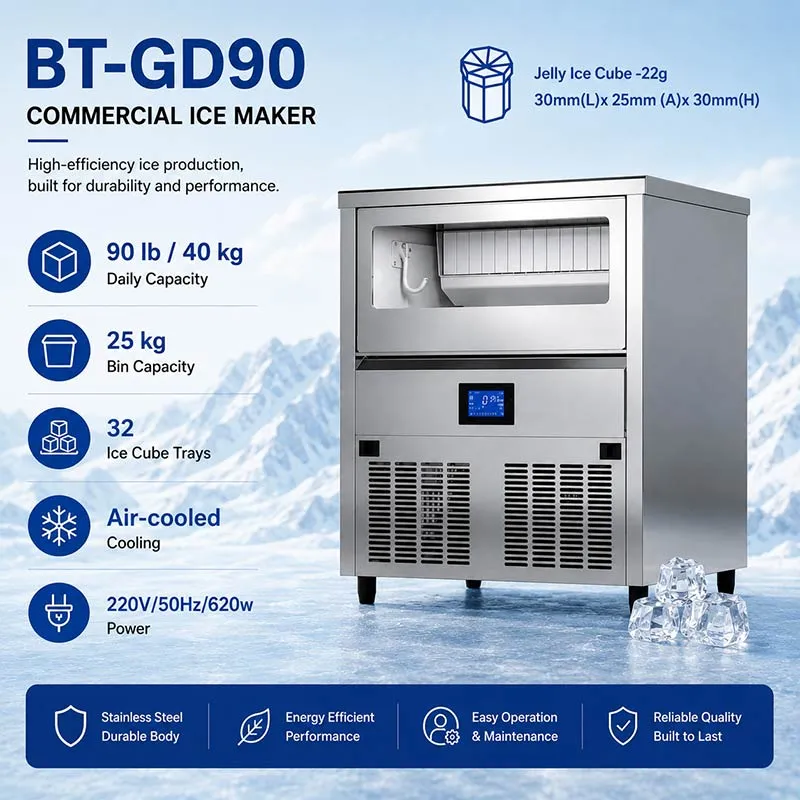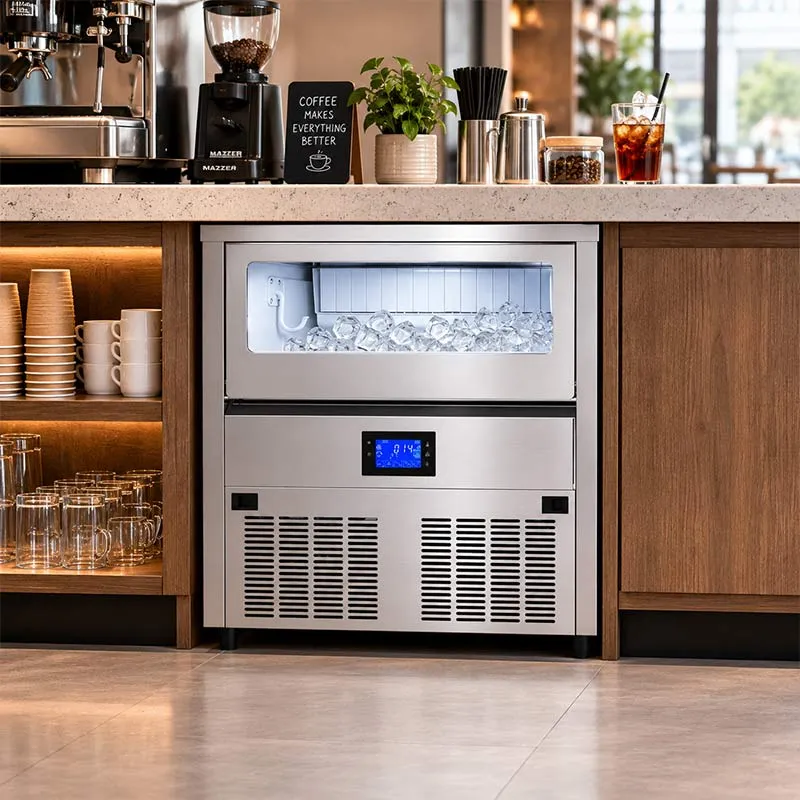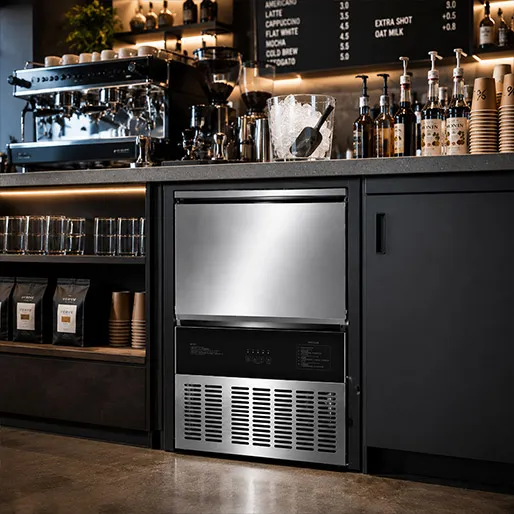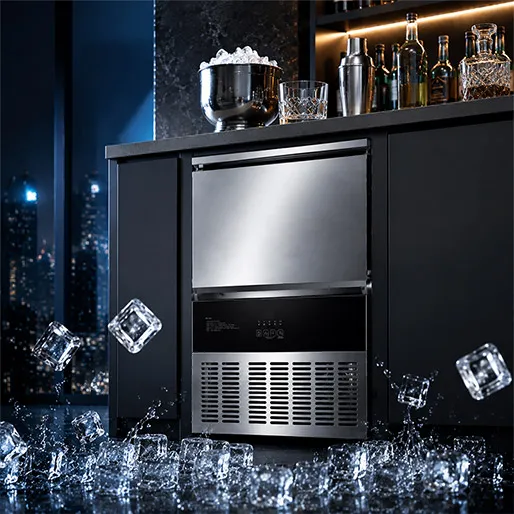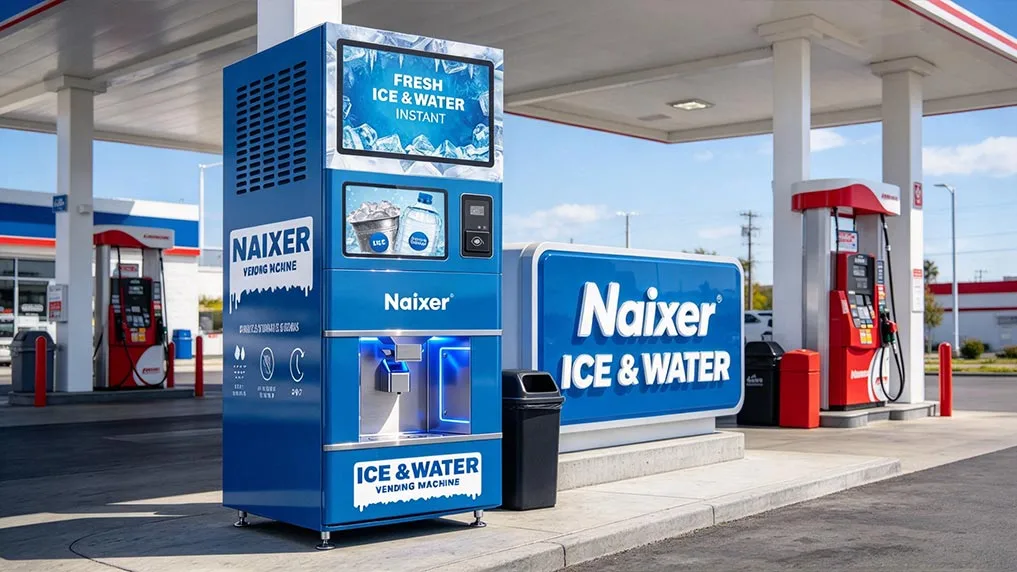

A full cube ice machine is a practical choice when a business needs solid, versatile ice for beverage service and other commercial applications. The right machine, however, depends on more than the shape of the ice.
Production capacity, storage, machine configuration, installation space, cooling method, and the way the ice will actually be used all affect the final choice.
For restaurants, bars, hotels, cafés, convenience stores, and other commercial operations, the best full cube ice machine is the one that matches the application’s ice demand without creating unnecessary capacity or space requirements.
This guide compares the most important full cube ice machine factors, including ice characteristics, applications, machine types, capacity, and selection criteria.
Quick answer: Choose a full cube ice machine when you need a solid, versatile cube for beverage-focused commercial service. Compare production capacity, storage, configuration, installation conditions, and peak demand before selecting a model.
In this guide, you will learn:
Why Choose Full Cube Ice for Commercial Use?
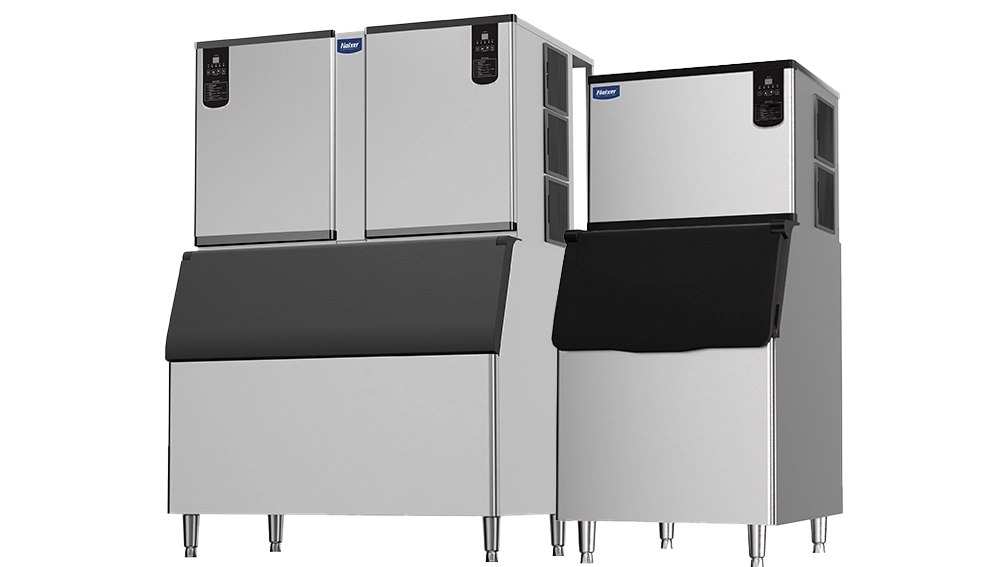
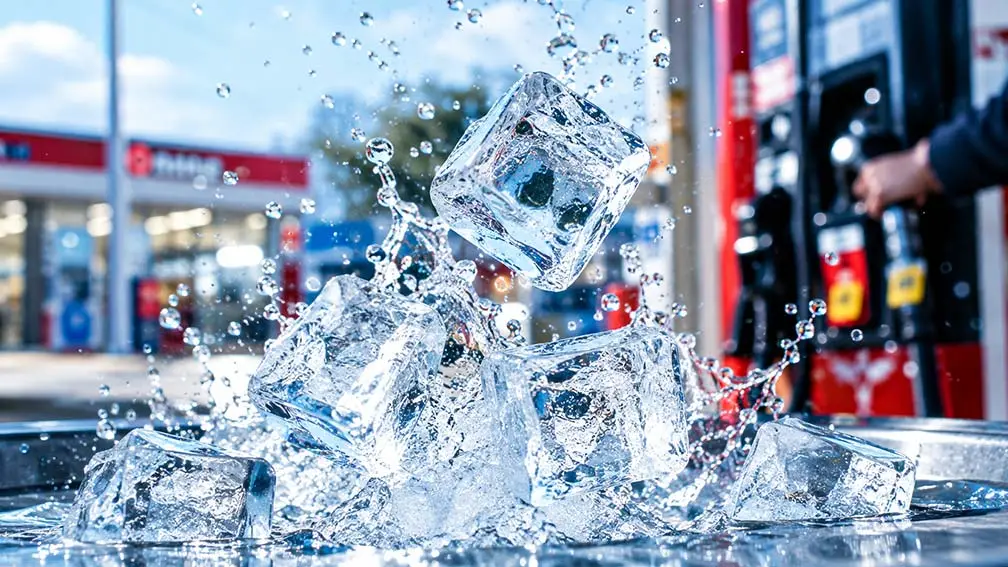
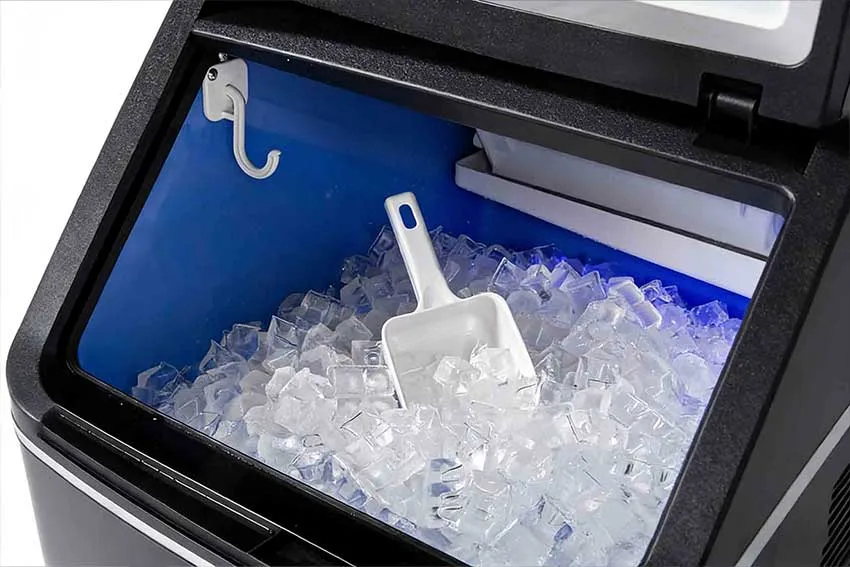
Full cube ice is widely associated with beverage service because its relatively large, solid form provides a substantial ice presence in the glass.
Compared with smaller cube formats, a full cube generally has a lower surface-area-to-volume ratio. That means it tends to melt more slowly, which can be useful when beverage dilution needs to be controlled.
For commercial buyers, the value of full cube ice is its versatility.
It can be used across restaurants, bars, hotels, cafés, beverage stations, and other operations where one ice format needs to work across multiple drinks. commercial ice machines for restaurants
Common applications include:
- soft drinks
- water and iced tea
- cocktails
- spirits and mixed drinks
- general foodservice beverage service
- bagged retail ice
The right choice still depends on the operating environment. A beverage program focused on speed and high-volume dispensing may have different requirements from a cocktail-focused bar.
Where Is Full Cube Ice Used?
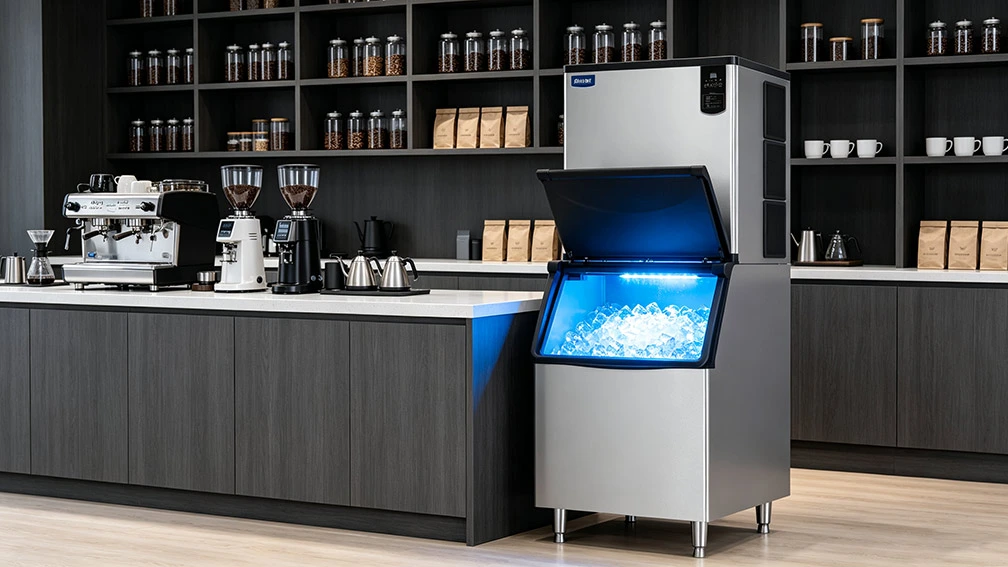
The best full cube ice machine is often determined by what happens after the ice leaves the machine.
Restaurants
Restaurants may use full cube ice for soft drinks, iced tea, water, cocktails, and general beverage service.
A restaurant with a broad beverage menu may value full cube because the same ice format can be used across different drink categories.
Bars
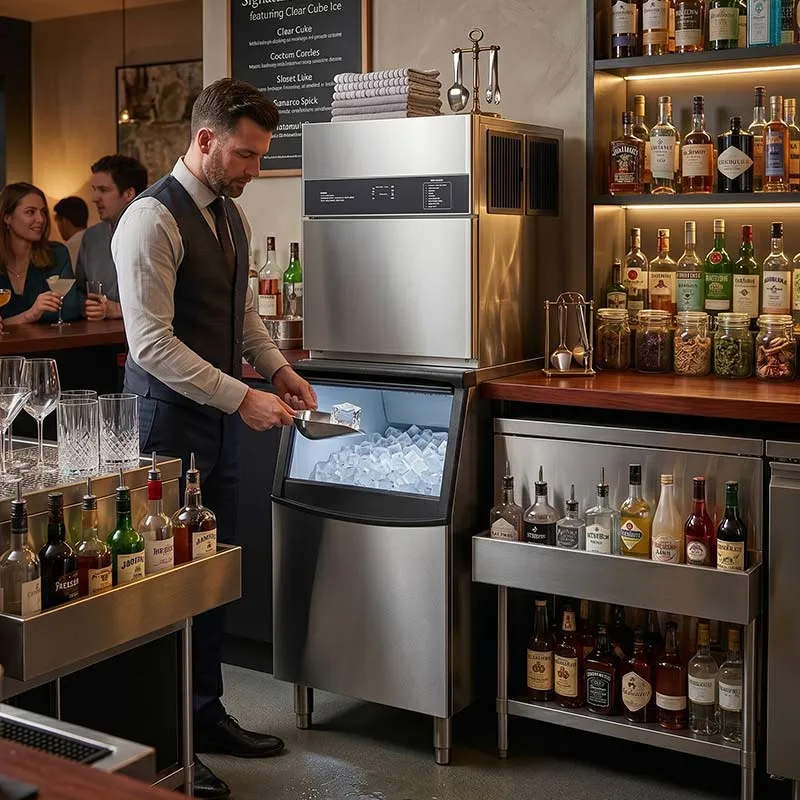
Bars can use full cube ice for cocktails, spirits, mixed drinks, and long drinks where a slower melt rate is desirable.
For a bar, peak-hour demand can be more important than average daily consumption. A machine that looks sufficient on paper may still be undersized when service volume increases.
Hotels
Hotels may use cube ice across bars, restaurants, banquets, beverage stations, and guest services.
The decision can therefore involve total property demand rather than a single point of use.
Cafés
Cafés often need compact equipment while maintaining consistent daily production.
For locations with limited kitchen or counter space, an undercounter full cube machines configuration may be more practical than a separate modular system.
Convenience Stores and Retail
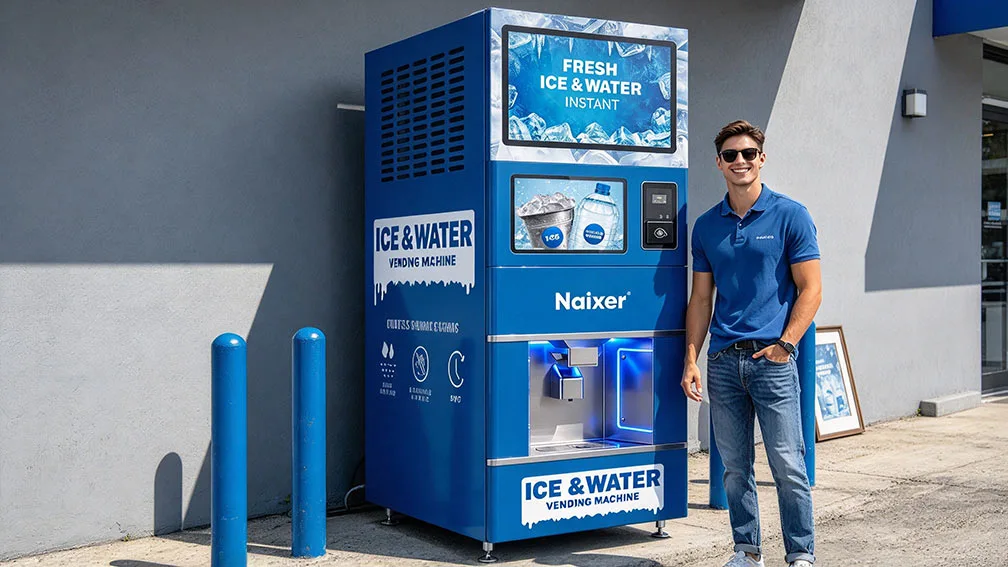
Full cube ice can also be used for beverages and packaged retail ice operations.
In these environments, production volume and storage capacity become particularly important because customer demand can vary significantly throughout the day.
Types of Commercial Full Cube Ice Machines

Not every full cube ice machine is built for the same installation.
For commercial buyers, machine configuration is just as important as ice production.
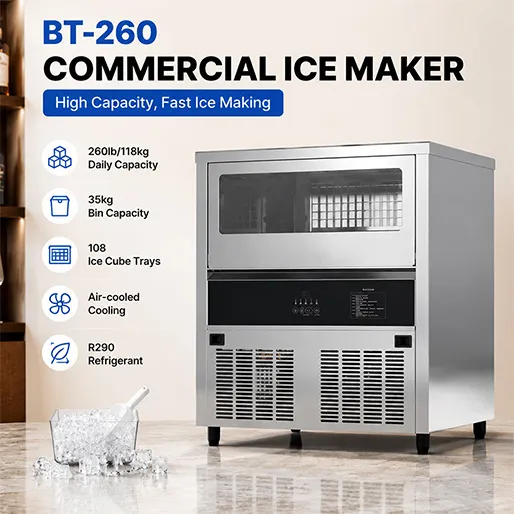
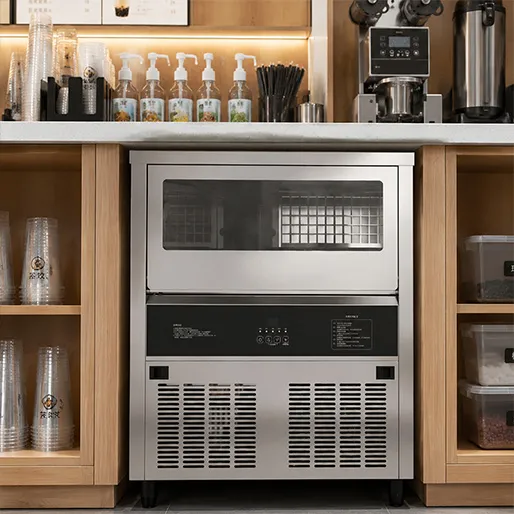
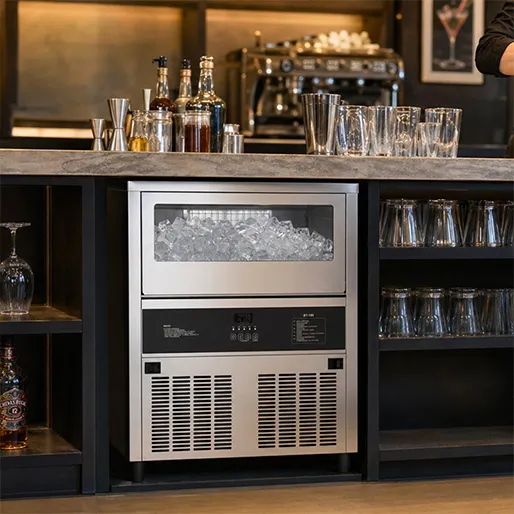
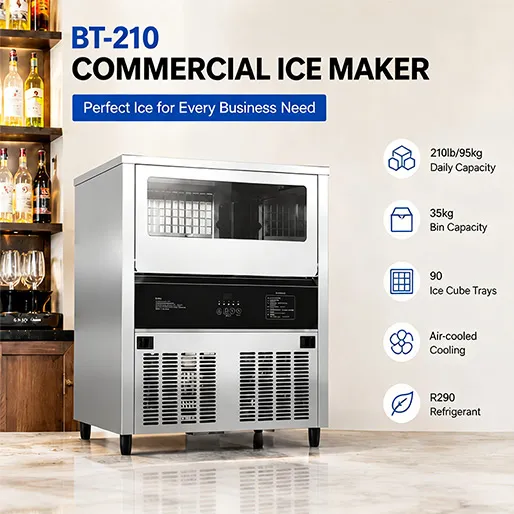
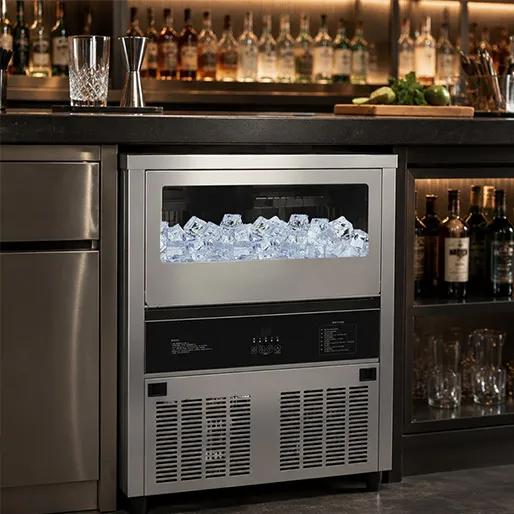
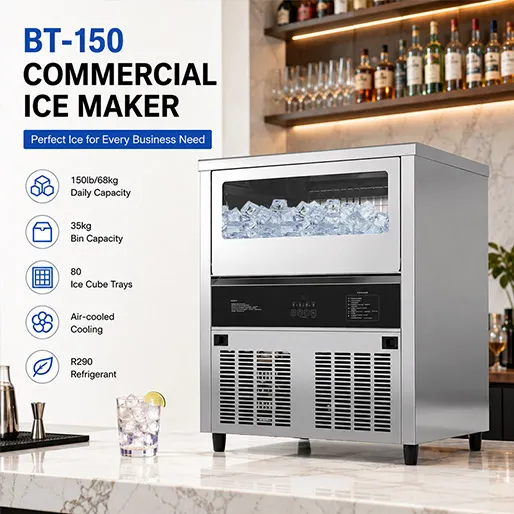
Undercounter machines combine production and storage in a compact cabinet designed to fit below a counter or work surface.
They are commonly considered when floor space is limited and ice needs to remain close to the point of use.
Naixer’s current built-in-bin cube range includes compact commercial models such as the BT-120, BT-150, BT-210, and BT-260.
This configuration can make sense for:
- cafés
- bars
- small restaurants
- beverage stations
- compact commercial kitchens
Self-Contained Full Cube Ice Machines
A self-contained design integrates the ice-making system and storage within one machine.
For buyers, this can simplify equipment planning when a separate ice storage bin is unnecessary.
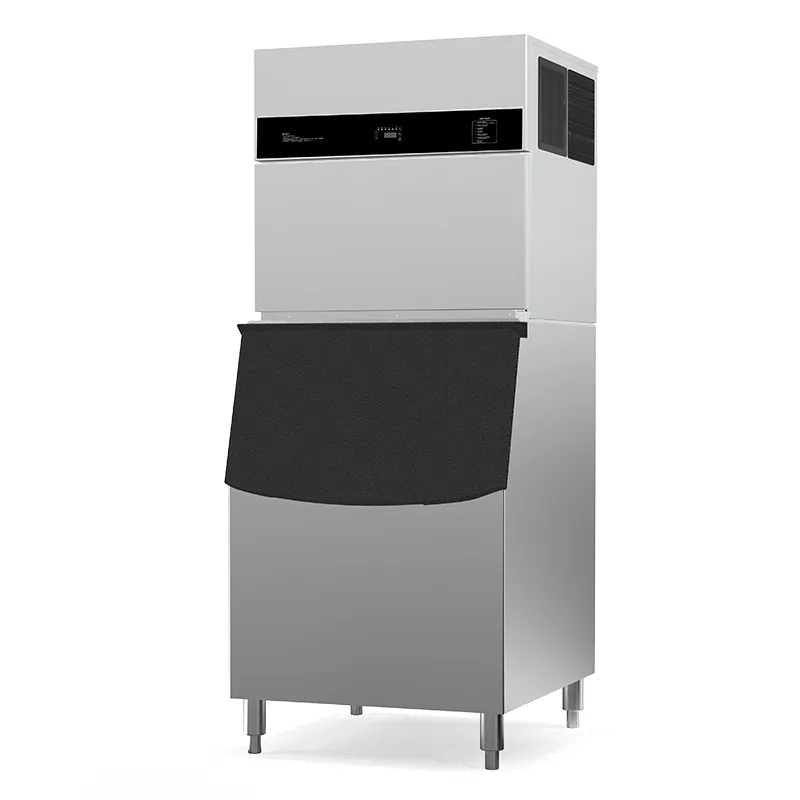
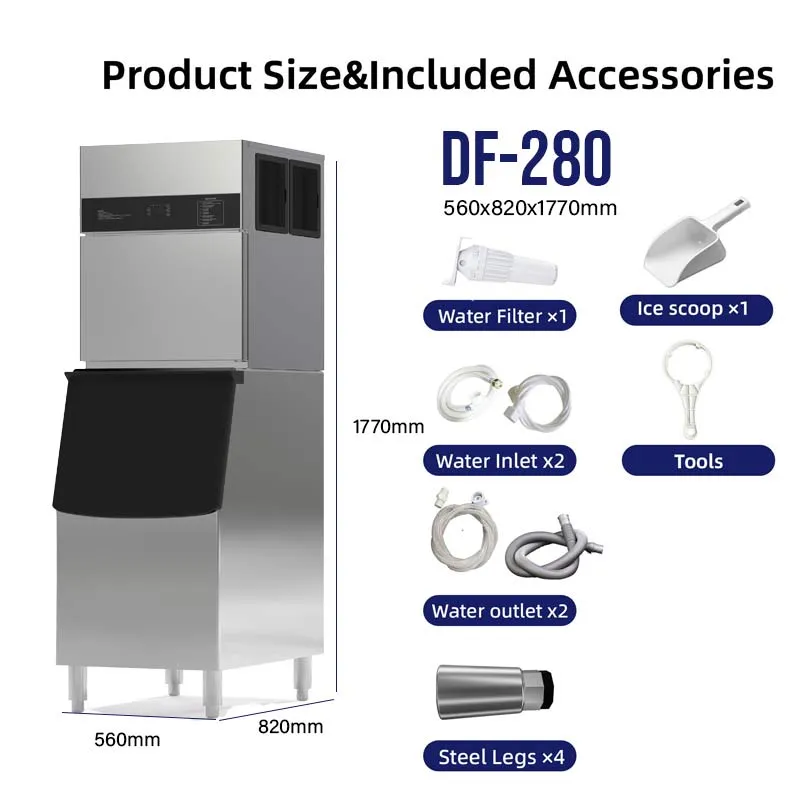
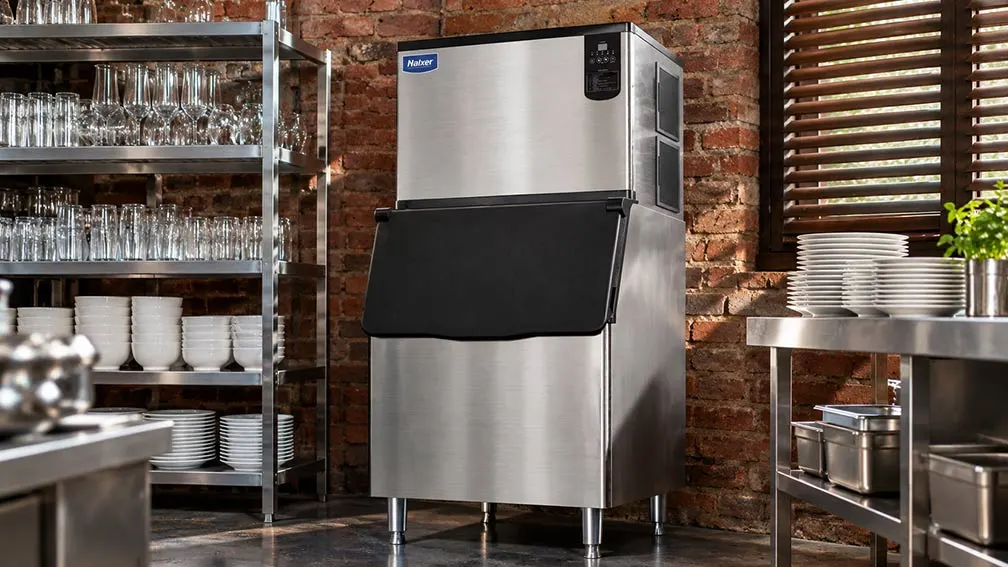
Modular machines separate the ice-making head from the storage system.
This approach is more relevant when production volume is high enough to justify a larger dedicated storage bin or dispenser.
Naixer also has a split-type cube ice machine range for higher-capacity commercial applications.
How Much Ice Does a Full Cube Ice Machine Make?

There is no single production capacity that defines a full cube ice machine.
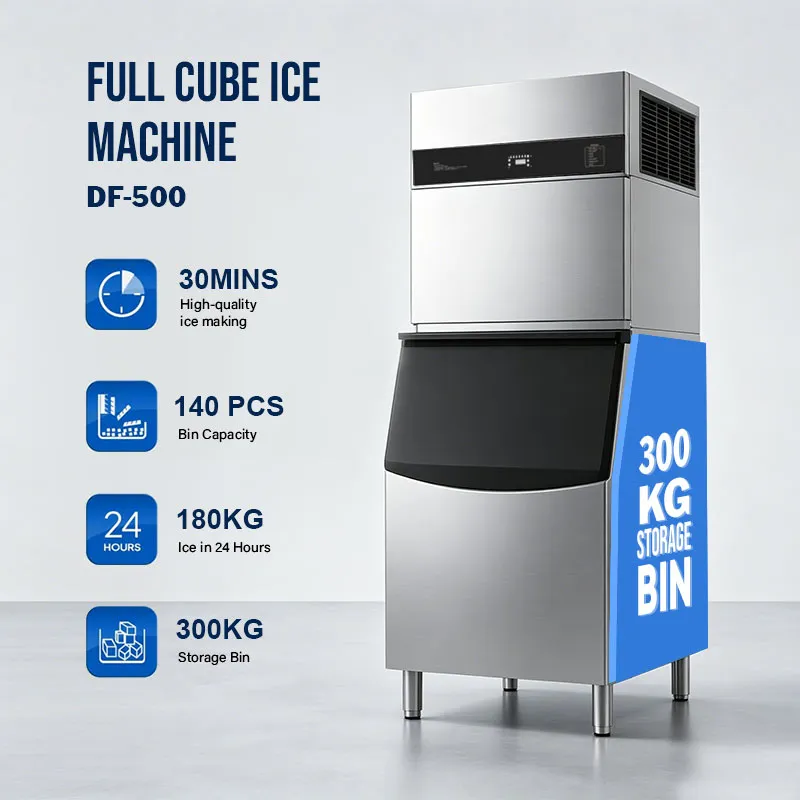
Commercial full cube machines are available across a wide range of outputs, from compact undercounter equipment to high-capacity commercial systems.
A better way to select capacity is to look at your operating demand:
Average daily demand + peak demand + storage requirement + operating schedule
For example, a café may need a relatively compact unit, while a large restaurant or hotel may require a significantly higher daily production rate.
Naixer’s current product range includes full cube machines across multiple production classes. Examples include:
- compact commercial machines
- approximately 150–260 lb/day class machines
- 500 lb/day class equipment
- 1,000 lb/day class equipment
- higher-capacity systems
The exact production rating should always be checked against the model’s published specification and test conditions rather than assuming that all machines perform identically.
For example, Naixer’s TH-500B is positioned as a 500 lb/day-class full cube machine, while the TH-1000B is specified at up to 1,000 lb/day.
Production Capacity Is Not the Same as Storage Capacity
This is one of the easiest specifications to misunderstand.
A machine’s production rating tells you how much ice it can produce over a specified period, typically 24 hours under stated test conditions.
Storage capacity tells you how much finished ice can be held and made immediately available for use.
These two numbers solve different problems.
A machine with high daily production but limited storage may not behave the same way operationally as a lower-production machine with a larger storage bin.
For high-volume businesses, look at both.
This is also why a commercial ice machine should not be selected from the production number alone. Current commercial buyer guides also place production, bin capacity, cooling, drain setup, clearances, and service access among the key comparison points.
How to Choose the Best Full Cube Ice Machine for Your Business

The “best” machine depends on the operation.
Use the following checklist before comparing individual models.
Start with how much ice you actually use.
Then identify when demand peaks.
A hotel banquet, Friday-night bar service, or busy restaurant shift can create much higher short-term demand than an average operating day.
Full cube is a strong general-purpose beverage option, but your menu and service model should determine the final ice format.
A cocktail-focused bar may prioritize slower melting, while a fountain-heavy operation may prefer a smaller cube.
Ask how much finished ice needs to be available during peak periods.
Do not compare machines only by pounds per day.
Measure:
- width
- depth
- height
- ventilation clearance
- service access
This is especially important for undercounter installations.
Air-cooled and water-cooled systems can behave differently depending on the installation environment.
Ventilation, ambient temperature, and available utilities should be considered before ordering.
Check the water supply, drainage arrangement, and local installation conditions.
These requirements should be confirmed against the exact model rather than assumed from the general product category.
For a commercial machine, availability of technical information, spare parts, service support, and manufacturer communication can matter almost as much as the initial machine specification.
Why Consider Naixer for Full Cube Ice Machines?

For a manufacturer such as Naixer, the differentiator should be the breadth of the equipment system rather than a generic claim that one machine is “the best.”
Naixer’s company materials identify the business as having been established in 2010, with a 30,000 m² integrated R&D, manufacturing, and logistics base in Guangzhou and more than 300 patents.
Its commercial ice machine portfolio also spans multiple ice formats, including cube, square, cylinder, crescent, nugget, and flake ice, giving B2B buyers the ability to compare ice types and production requirements within one manufacturer portfolio.
For buyers evaluating a full cube machine, this is useful because the purchase can be considered as part of a wider commercial ice equipment strategy rather than as an isolated machine.
Full Cube Ice Machine FAQs
Is full cube ice better than half cube ice?
Not universally. Full cube and half cube are designed around different operating needs. Full cubes are generally preferred when slower melting and a substantial ice presence are important, while smaller cubes can be more suitable for rapid chilling and dispensing.
Is full cube ice good for cocktails?
Yes. Full cube ice is commonly considered for cocktails and spirits because its larger solid form generally melts more slowly than smaller cube formats.
What size full cube ice machine do I need?
Choose capacity based on average and peak daily ice demand, storage requirements, operating hours, application, and available installation space. A machine should not be selected by production rating alone.
Can a full cube ice machine be installed under a counter?
Yes. Undercounter full cube machines are designed for compact commercial installations. Confirm the exact machine’s dimensions, ventilation requirements, utilities, and service clearances before ordering.
Are full cube ice machines available in high-capacity models?
Yes. Full cube production is available in a broad range of commercial capacities, including high-output models for larger restaurants, hotels, and other high-volume operations. Naixer’s product range includes 500 lb/day and 1,000 lb/day-class full cube equipment.