500 lb Ice Machine: Why the Naixer TH-500B Is the 2026 Workhorse for High-Volume Kitchens

There is a threshold in the restaurant business where an ice machine stops being an appliance and starts being infrastructure. It is somewhere around 300 pounds a day. Below that, you can get by with a compact undercounter unit, something that tucks under a bar and hums along through lunch and dinner. Above it, you need a machine that can feed a kitchen, a bar, a banquet line, and still have ice left over for the seafood display.
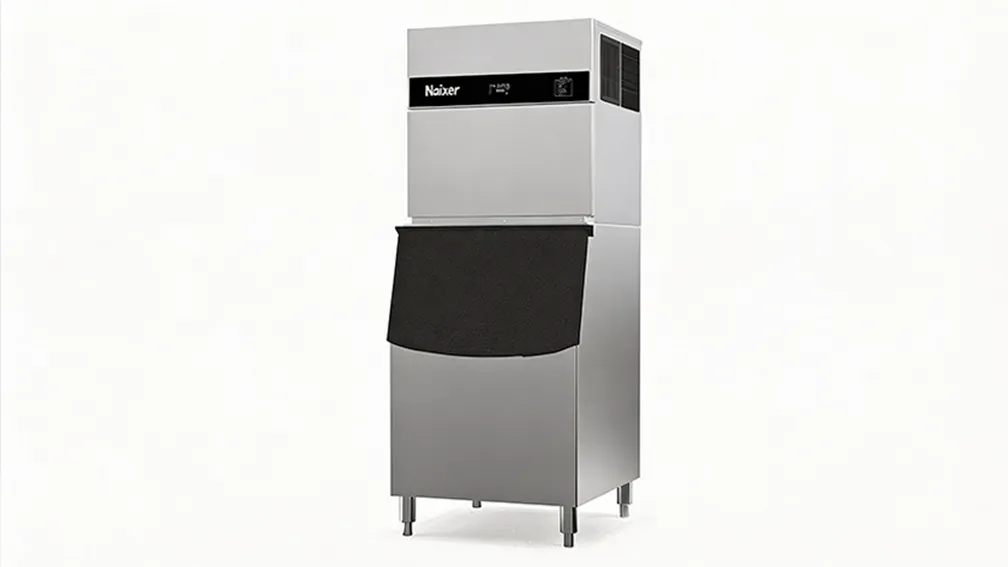
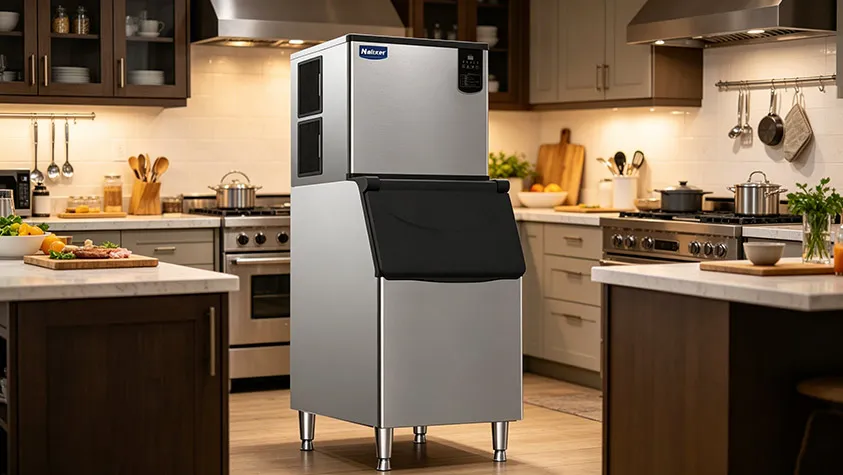
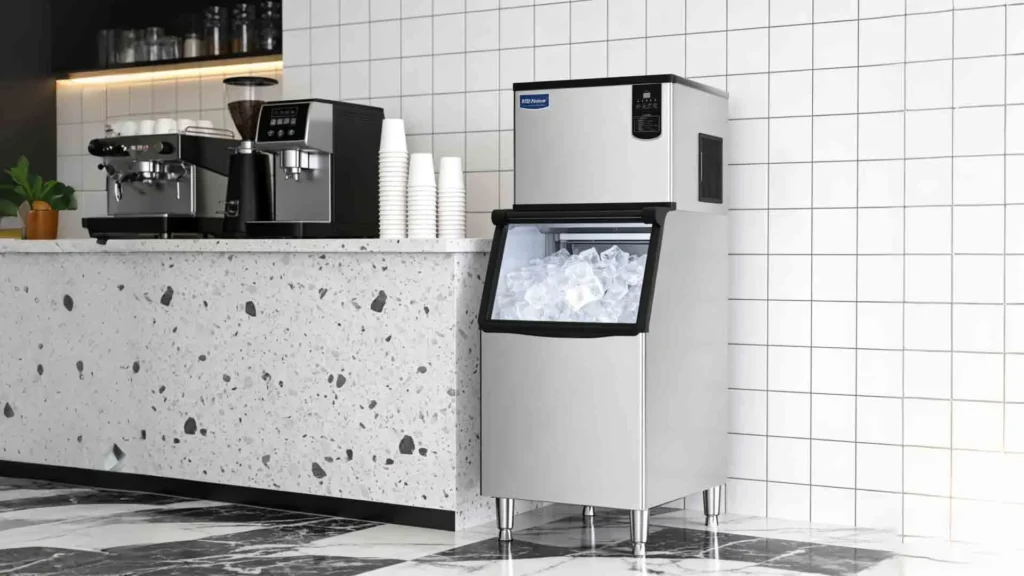
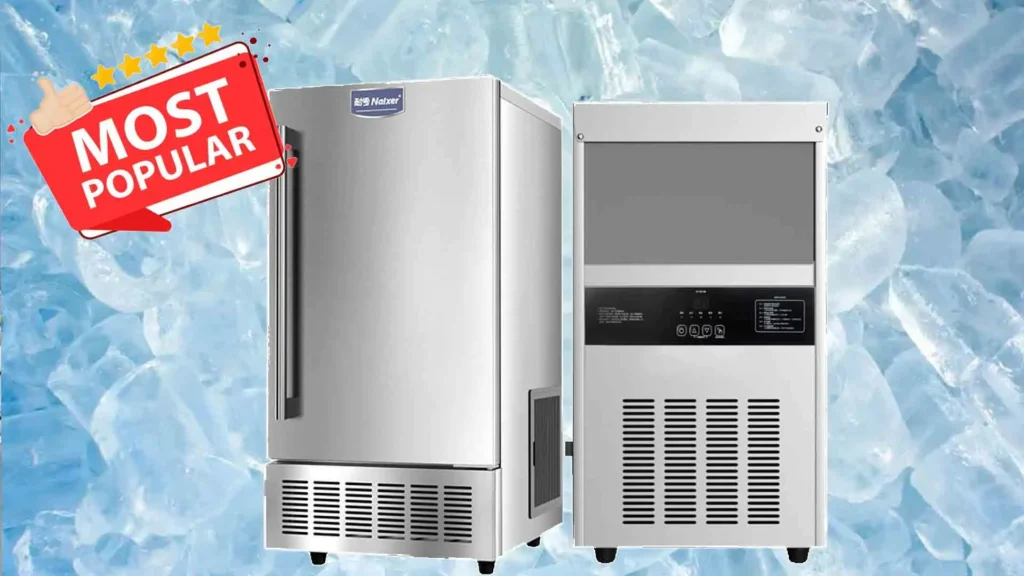
The Naixer TH-500B is built for the territory above that threshold. It is a modular 500-pound commercial cube ice machine, producing 22-by-22-by-22-millimeter crystal-clear cubes around the clock. It pairs with a 300-kilogram storage bin, which means it can build a reserve during the afternoon lull and release it during the dinner rush. It is air-cooled, self-contained in its cooling logic, and designed to sit against a wall in a busy kitchen and run for years without complaint.
For a broader look at how to match a machine to a specific operation—whether a restaurant, a bar, a hotel, or a specialty concept—the commercial ice machine buying guide covers the full selection framework, from sizing to ice type to installation.
In this guide, you will learn:
The 500-Pound Threshold: Why This Capacity Matters
Five hundred pounds of ice in a day is not an arbitrary number. It is roughly what a busy independent restaurant with a full bar, a seafood display, and a steady stream of iced tea and soda orders will go through on a Saturday in August. It is what a mid-size hotel kitchen needs to feed a breakfast buffet, a lunch service, a banquet cocktail hour, and room service ice deliveries without ever running short. It is what a gastro-pub with 120 seats and a craft cocktail program burns through when every other drink is shaken or stirred over ice.
A machine that produces less than this will run out during peak demand. When that happens, someone gets sent to the grocery store for bagged ice. Bagged ice is expensive, inconsistent in quality, and a visible sign to the kitchen staff that the equipment is not up to the job. The TH-500B eliminates that scenario entirely. It produces enough ice to cover the busiest shift of the week with headroom to spare.
The machine is modular, which means the ice-making head and the storage bin are separate components. The head produces the ice. The bin holds it. They are sized independently, so you can pair the TH-500B head with a bin that matches your demand pattern. The standard configuration pairs it with a 300-kilogram bin, which is enough storage to cover a multi-hour dinner rush without the machine needing to cycle on and off constantly.
Why does bin capacity matter as much as production? Because ice demand is not steady. A restaurant kitchen might need 100 pounds of ice in a single hour between 7 p.m. and 8 p.m., then only 30 pounds an hour for the next three. A machine with a small bin cannot stockpile during the slow period. A machine with a 300-kilogram bin can. The TH-500B builds up a substantial reserve during the afternoon setup and early dinner seating, then releases it when the kitchen hits its stride.
For venues that are uncertain about their exact daily demand, the guide on how to choose the right size commercial ice maker walks through the calculation step by step, with benchmarks for different types of operations.
Where the TH-500B Belongs

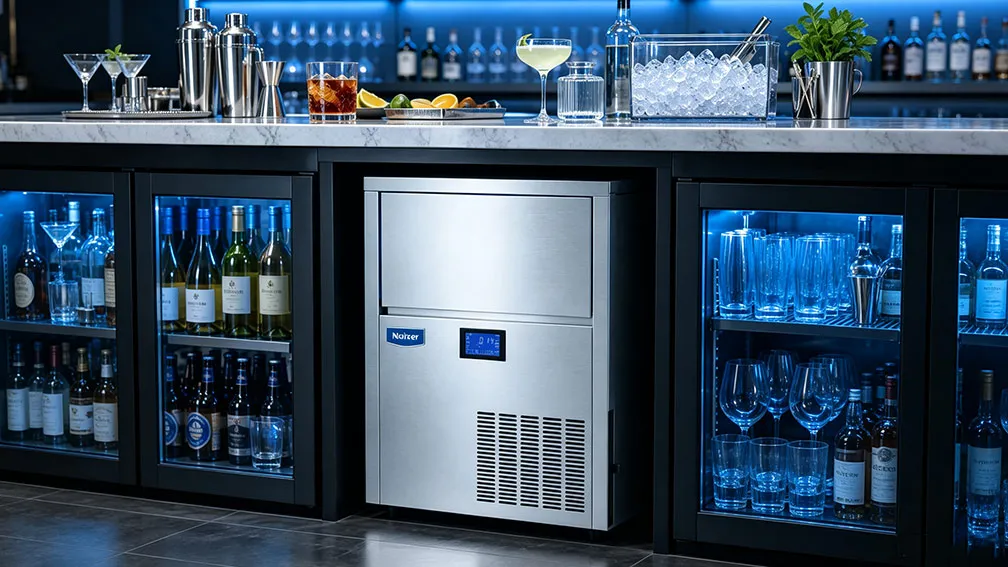
The TH-500B is not for every kitchen. A small café making iced lattes for a hundred customers a day does not need 500 pounds of ice. A neighborhood bar with 40 seats can get by with a compact undercounter unit like the Naixer TH-150B. But for the operations where ice demand is high, consistent, and non-negotiable, the TH-500B is the right machine.
Independent restaurants with a full bar and a raw bar are one of the most natural fits. The kitchen needs ice for food prep, the bar needs ice for cocktails, and the raw bar needs ice for the seafood display. All three demands peak at roughly the same time—during dinner service. A single TH-500B feeds all three stations from a central location.
Mid-size hotels represent another core application. A 100-room hotel with a restaurant, a lobby bar, and occasional banquet events can easily consume 400 to 500 pounds of ice a day. The TH-500B sits in the back kitchen, filling the bins that supply every outlet. Because it is modular, the same head can be paired with different bin sizes if the hotel expands its food and beverage operations. For a complete picture of how ice machines fit into a hotel setting, the article on the best ice machine for hotel covers guest floor dispensers and back-of-house modular systems in detail.
Gastro-pubs and craft beer halls, where food and drink are equally important, also fall into this capacity range. These venues often serve a mix of draft beer, craft cocktails, and a full food menu, and ice demand spikes hard on Friday and Saturday nights. The TH-500B provides the production buffer that keeps the bar from running dry at 10 p.m.
The Machine Itself

The TH-500B uses an air-cooled refrigeration system. Air-cooled is the most common configuration in commercial kitchens because it is simpler to install and uses dramatically less water than a water-cooled machine. The trade-off is that it needs adequate ventilation—at least five to ten centimeters of clearance on all sides—and it will produce slightly less ice in very hot environments. For kitchens that are chronically hot or poorly ventilated, Naixer offers water-cooled configurations on other models. The guide to the difference between air-cooled and water-cooled ice machines explains when each type makes sense.
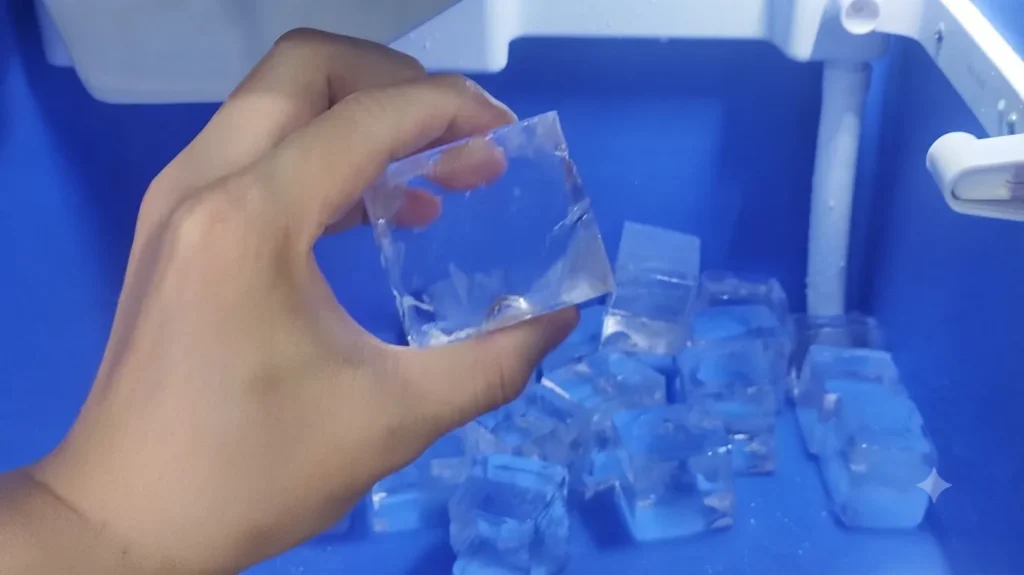
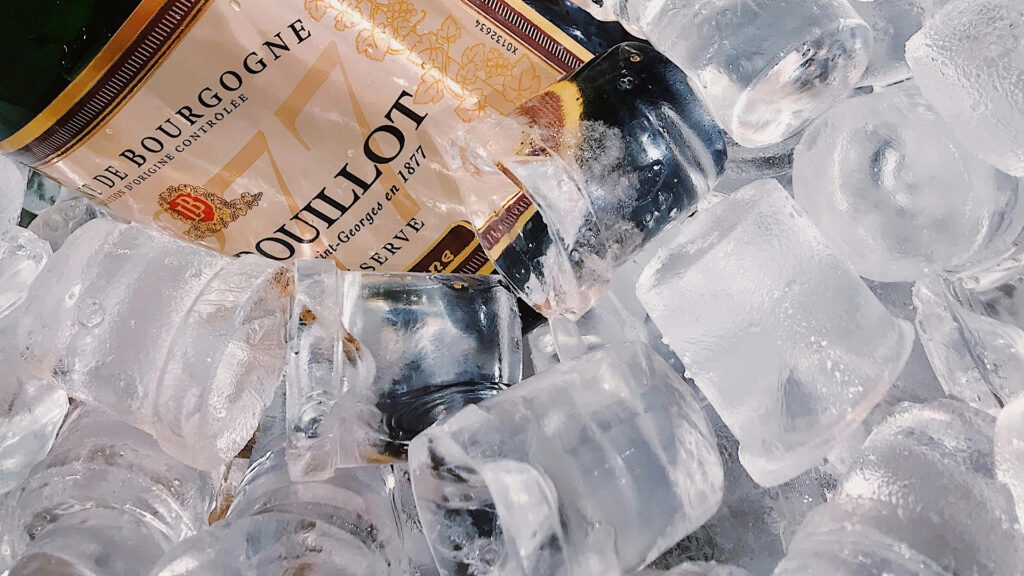
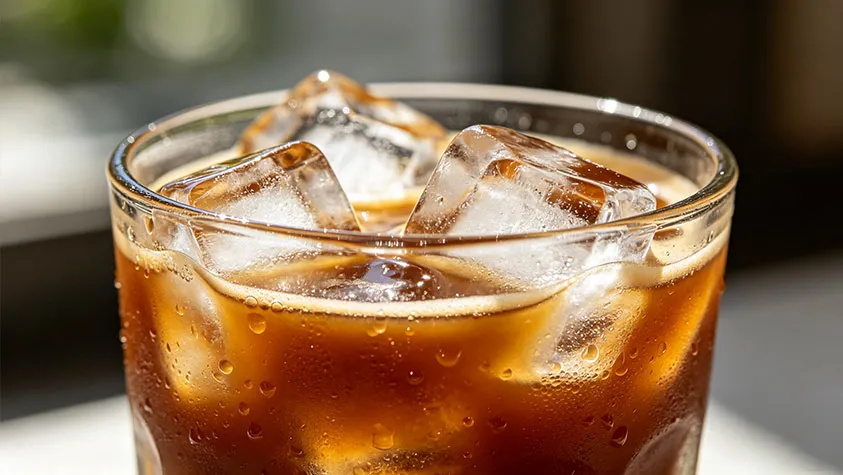
The ice is standard full cube, 22 by 22 by 22 millimeters. This is the most versatile ice shape in commercial foodservice. It melts slowly, looks clean in any glass, works equally well in soft drinks, iced tea, and shaken cocktails, and is what most customers expect to see when they order a cold drink. It is not a specialty shape—no crescent curves, no hollow centers, no chewable texture—but it is the shape that every kitchen needs, every day. For a broader comparison of how different ice shapes perform in different drinks, the guide on which ice cube shapes are best for your restaurant covers the full spectrum.
The construction is food-grade 304 stainless steel throughout the ice-making zone. This is a material that resists corrosion, cleans easily, and does not harbor bacteria in surface scratches. For a machine that will spend a decade in a humid, busy kitchen, the material choice matters. Every Naixer commercial machine is backed by a 3-year comprehensive warranty on the entire unit, including core systems and key components, and manufactured in a 30,000-square-meter ISO9001-certified smart factory with more than 300 technical patents behind the engineering.
Maintenance is designed to be routine. The One-Touch Cleaning function automates the descaling cycle—press a button and the machine circulates the cleaning solution, drains, and rinses without disassembly. The condenser coils should be cleaned with a soft brush every three months to remove dust and grease. The water filter should be replaced every six months on the same schedule as the deep cleaning. These three habits—cleaning the condenser, replacing the filter, and running the descaling cycle—are what determine whether the machine lasts 7 years or 15. For a complete maintenance walkthrough, the Naixer ice machine cleaning guide covers every step in detail.
500 lb Ice Machine — Quick Answers
How much ice does the TH-500B produce per day?
The TH-500B produces up to 500 pounds, or 227 kilograms, of 22×22×22mm crystal-clear cube ice per day, paired with a 300-kilogram storage bin.
What type of business needs a 500 lb ice machine?
Mid-size to large independent restaurants with full bars, hotels with 100 rooms or more, gastro-pubs, craft beer halls, and banquet kitchens that need a reliable, high-volume ice supply during peak demand.
Is the TH-500B air-cooled or water-cooled?
The TH-500B is air-cooled, which means it uses ambient air to cool the condenser. This is the most common and water-efficient configuration, though it requires adequate ventilation space around the machine.
How is this different from a smaller undercounter ice machine?
The TH-500B is a modular system—the ice-making head and storage bin are separate components. This allows for higher daily output and larger storage capacity than an undercounter unit, which combines both functions in a single compact cabinet.
How long does a 500 lb ice machine last?
With proper maintenance—deep cleaning every six months, condenser cleaning every three months, and water filter changes—a commercial ice machine should last 7 to 10 years, with premium units reaching 15 years or more.
What type of ice does the TH-500B produce?
It produces full cube ice, 22×22×22mm. This is the standard, most versatile ice shape in commercial foodservice—slow-melting, clean-looking, and suitable for everything from soft drinks to shaken cocktails.