How to Start a Commercial Ice Machine Business: The 2026 Complete Guide

Starting a commercial ice machine business does not mean you have to open a factory or invent a new product. It means identifying a market that depends on ice and putting the right equipment in place to serve it. That might be a restaurant, a hotel, a coffee shop, or a self-service vending machine on a busy corner. The common thread is the machine itself. Choosing the right one—sized correctly, matched to the application, and built to run reliably for years—is the single most important decision in the entire venture.
This guide breaks down the business models, the equipment each one requires, the costs you need to plan for, and the Naixer machines that fit different types of operations. For a deeper look at the full decision framework, the commercial ice machine buying guide covers sizing, ice type, and installation from start to finish.
In this guide, you will learn:
The Business Models: What Kind of Ice Business Will You Build?
The first question is not which machine to buy. It is what kind of business the machine will serve. The equipment choice flows directly from that answer.
Restaurants, Bars, and Cafes
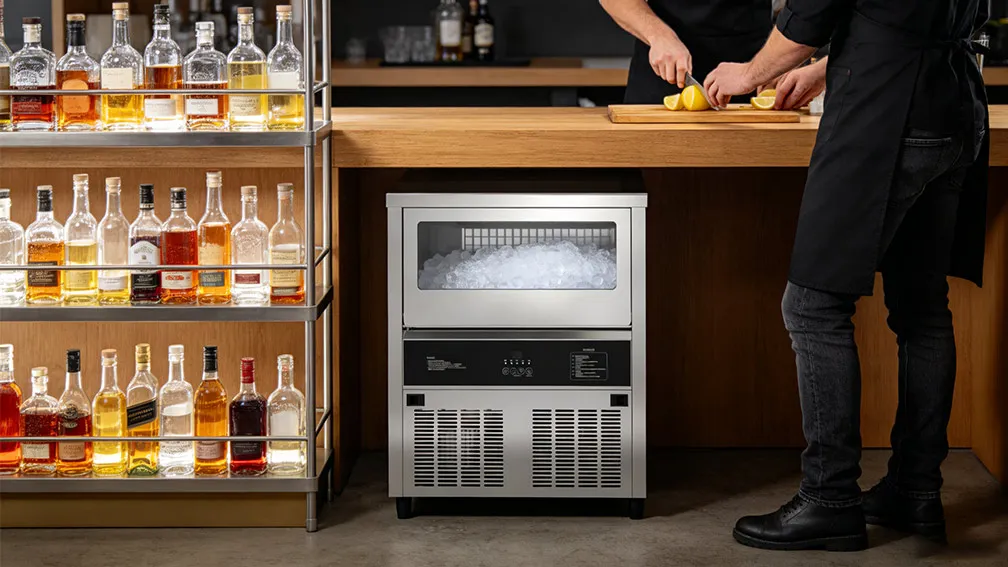
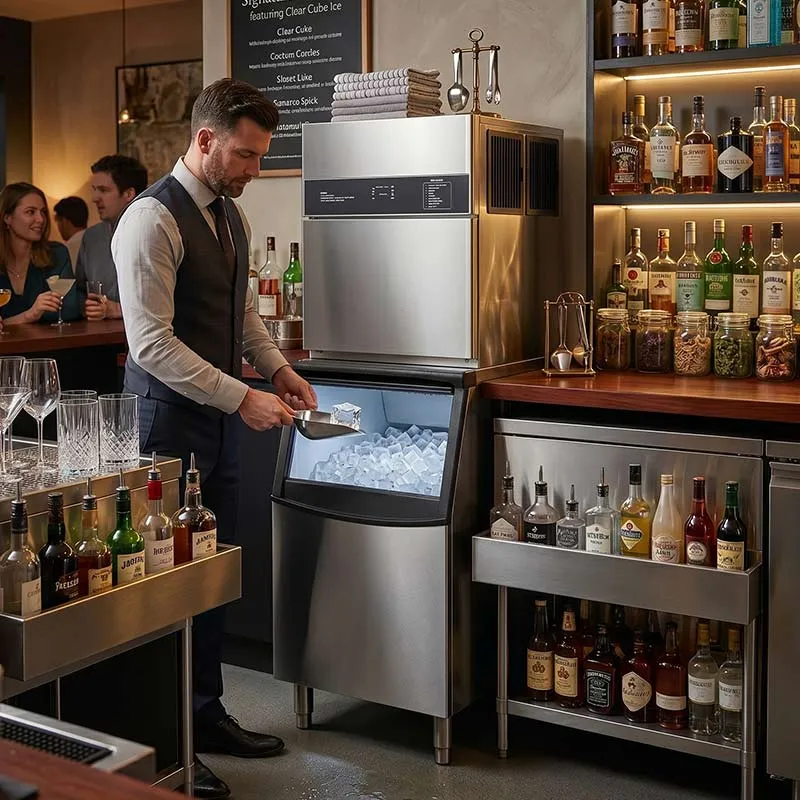
If you are opening a new food and beverage operation or upgrading the equipment in an existing one, the ice machine is one of the most critical pieces of equipment in the kitchen. A restaurant that runs out of ice during a Friday dinner service cannot serve iced tea, cannot shake a single cocktail, and cannot chill a seafood display. The cost of getting this decision wrong shows up immediately in lost sales and frustrated customers.
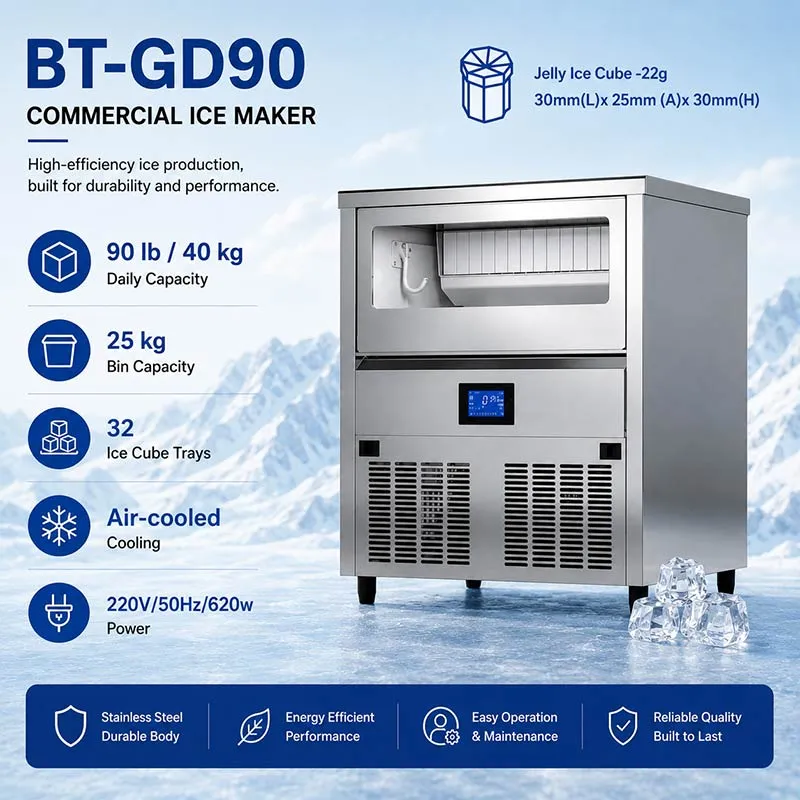
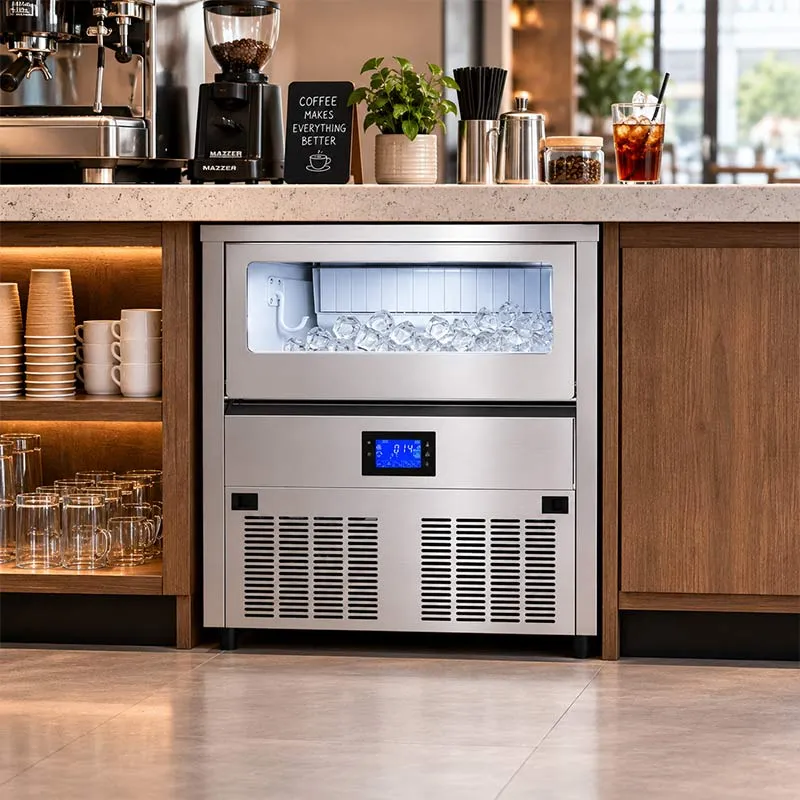
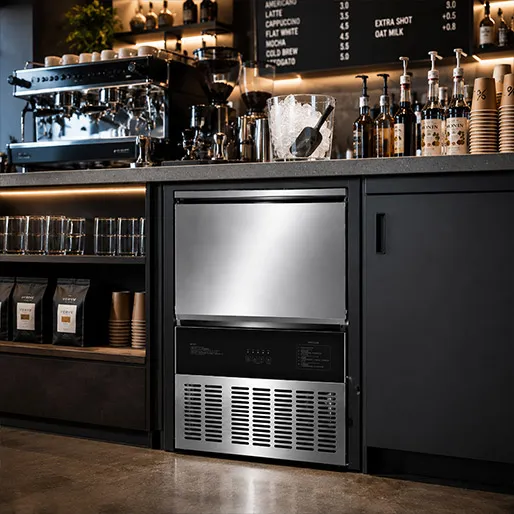
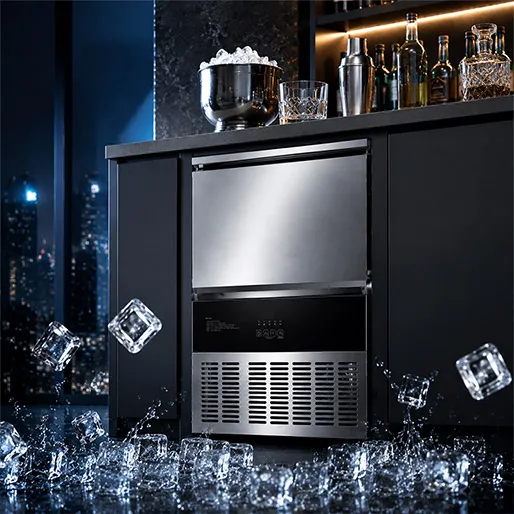
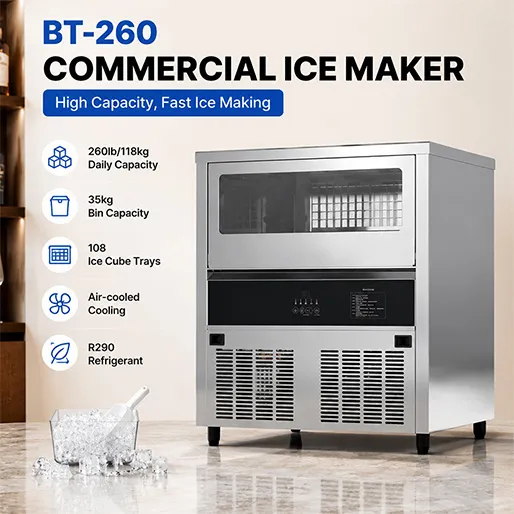
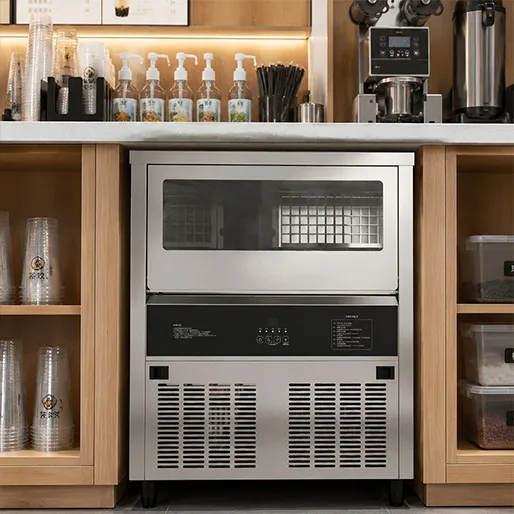
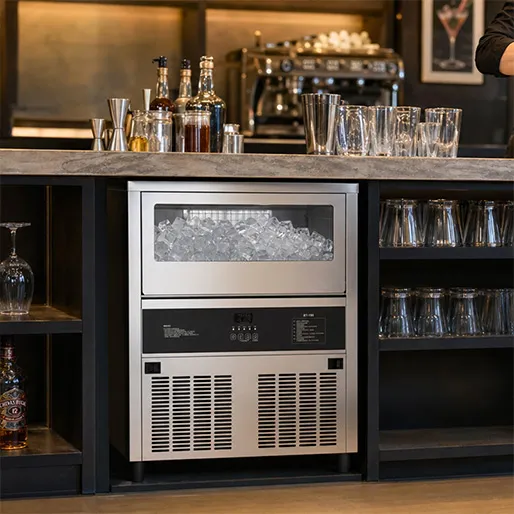
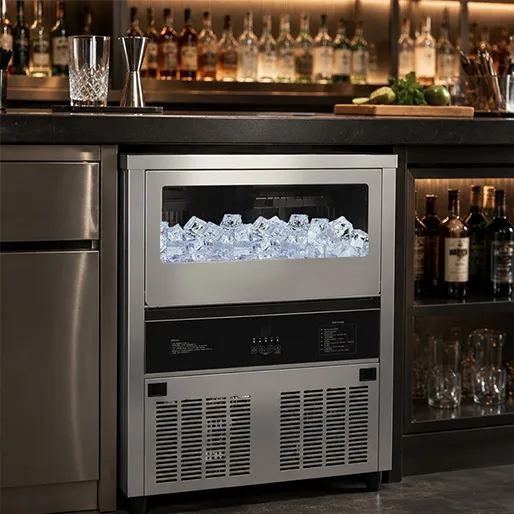
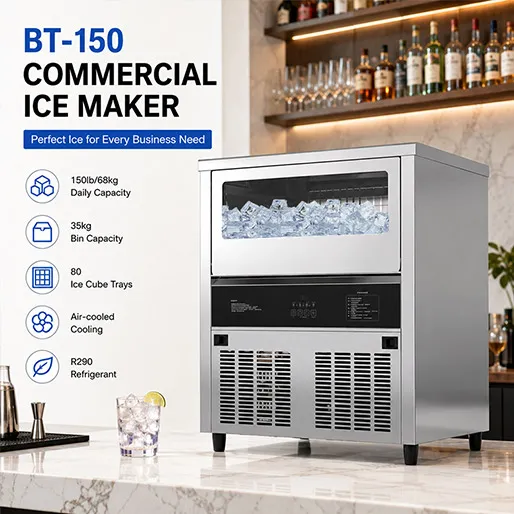
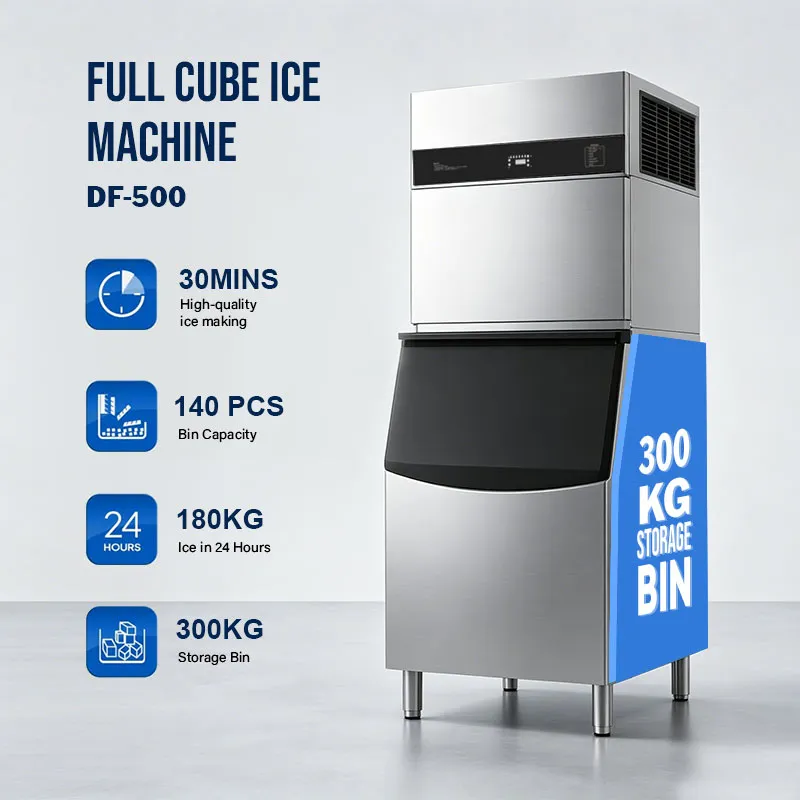
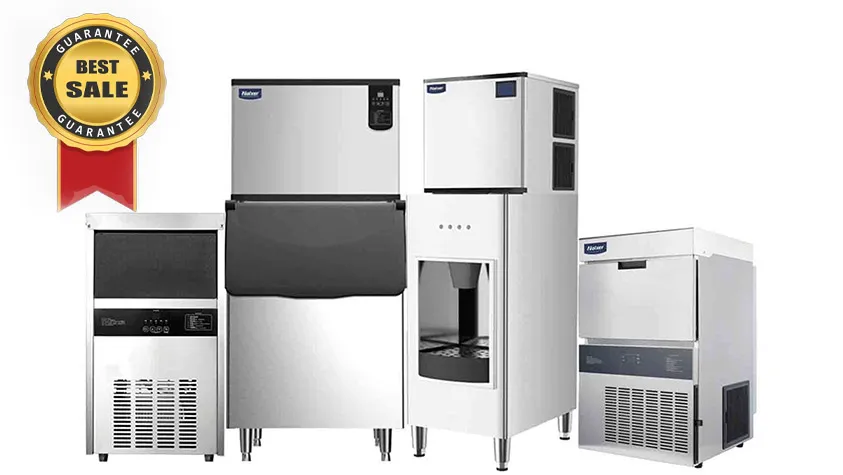
For most full-service restaurants and bars, a cube ice machine is the standard starting point. Naixer’s TH Series covers this range: the TH-80B for a small café producing 80 pounds of cube ice per day, the TH-150B for a mid-size restaurant or neighborhood bar at 150 pounds per day, the BT-260 for a busy gastro-pub at 260 pounds, and the TH-500C or TH-1000C modular systems for large restaurants and hotel banquet kitchens. If the menu is built around craft cocktails, premium spirits, or specialty coffee, you may need a different ice shape. The article on what type of ice do coffee shops use explains why crescent ice is the gold standard for iced lattes and espresso-based drinks. The guide on the best ice machine for cocktail bar breaks down the case for large gourmet cubes when you are serving $25 pours of whiskey.
Hotels and Hospitality

Hotels run on ice differently from restaurants. A hotel needs machines on guest floors where travelers can fill their buckets at any hour, and separate machines in the back of house to supply the kitchen, the banquet hall, and the poolside bar.
The guest-floor solution is a dispenser. The Naixer ZD-160 combines an ice maker, storage bin, and push-button dispensing mechanism in a single stainless steel unit. It produces up to 160 kilograms of cube ice per day—roughly 350 pounds—and stores 100 kilograms. At the industry standard of 5 pounds of ice per guest room per night, one ZD-160 serves approximately 70 rooms. The push-button design is both more sanitary than an open bin with a scoop and more intuitive for a tired guest who does not want to figure out unfamiliar equipment. For a complete walkthrough of matching machines to property size, the best ice machine for hotel guide covers it in detail.
Ice and Water Vending
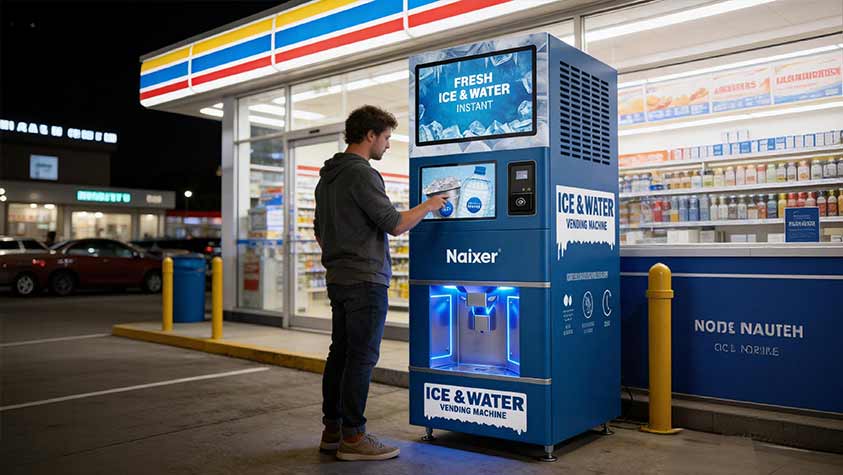
This is a fundamentally different model. You are not running a kitchen or a hotel. You are placing a self-service machine in a high-traffic location—a gas station, a marina, a residential community entrance—and letting it generate revenue around the clock.
Ice vending machines combine ice production with automated bagging or bulk dispensing. Customers pay at the machine, and the machine produces and packages the ice on the spot. There is no inventory to manage, no staff to schedule, and no perishable product to worry about beyond keeping the machine clean and stocked with bags. The margins are strong: a bag of ice that costs a few cents in water and electricity to produce can sell for $2 to $3.
Naixer’s ice and water vending machines are purpose-built for this application. They combine ice production with bulk water dispensing, giving the customer two products from a single stop and giving you two revenue streams from a single machine. This dual-revenue model is one of the reasons ice vending can generate $1,500 to $4,500 in monthly revenue per well-placed machine. For more on the numbers, the ice and water vending profit guide walks through real-world revenue scenarios.
Choosing the Right Equipment
Once you know your business model, the equipment decision narrows significantly. The key is to match the machine to the peak demand, not the average.
A restaurant that serves 200 covers on a Saturday night but only 50 on a Tuesday needs a machine sized for Saturday. A hotel that runs at 90 percent occupancy during the summer and 50 percent in the winter needs a machine sized for summer. A vending machine at a marina that does most of its business on weekends needs enough production capacity to fill the bin before the Saturday morning rush and enough storage to last through Sunday afternoon.
The table below compares the three main categories of Naixer commercial ice machines by their typical applications and output ranges.
| Machine Category | Typical Output | Best For | Naixer Models |
|---|---|---|---|
| Undercounter Cube | 80 – 260 lbs/day | Small cafes, neighborhood bars, tight spaces | TH-80B, TH-150B, BT-260 |
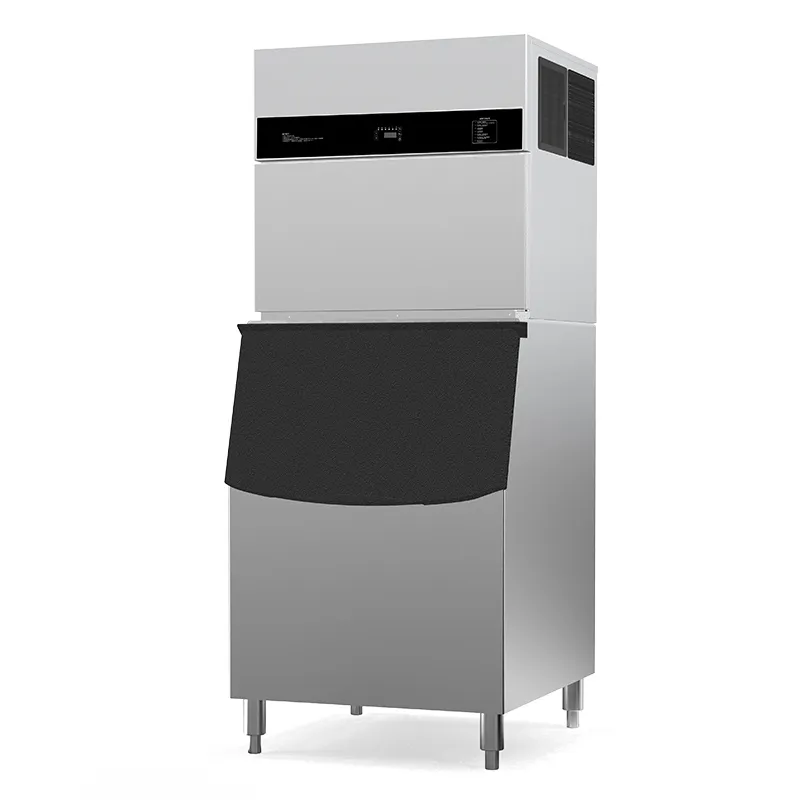
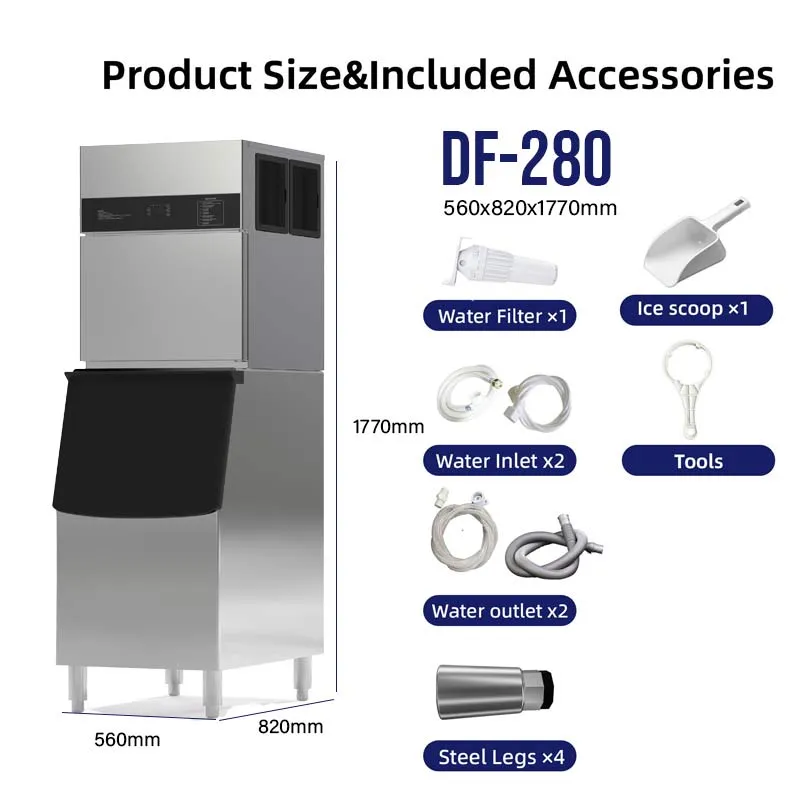
| Modular Cube | 500 – 2,000+ lbs/day | Large restaurants, hotels, banquet kitchens | TH-500C, TH-1000C, TH-2000B |
| Specialty Ice | 90 – 1,000+ kg/day | Seafood displays, blended drinks, premium spirits | TH-DF Series (gourmet), PB Series (flake/nugget) |
| Ice & Water Vending | Self-service retail | Gas stations, marinas, residential communities | Naixer ZD-160-A320/420A |
Beyond capacity, you need to decide on ice shape. A cube machine and a crescent machine use different evaporator designs. You cannot switch between them by changing a setting. The ice shape you choose is the ice shape you will be serving for the life of the machine. Cube ice is the most versatile and accounts for the majority of commercial installations. Crescent ice is the upgrade for specialty coffee and craft cocktails. Gourmet large cubes are for premium spirits. Flake ice is for seafood displays. Nugget ice is for chewable-ice fans and healthcare settings. If you are uncertain which direction to go, the guide to what kind of ice restaurants use compares every commercial ice type side by side.
Understanding the Costs
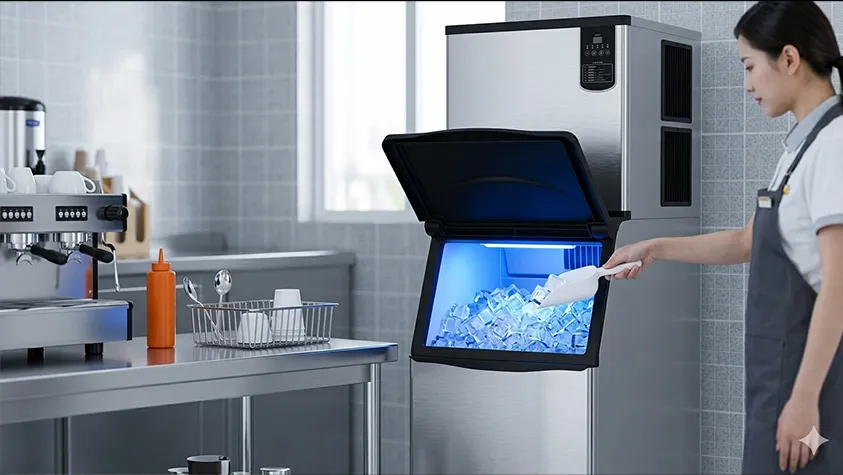
The sticker price of a commercial ice machine is only part of the investment. Installation, utilities, maintenance, and occasional repairs add up over the machine’s 7- to 10-year life, and those ongoing costs often exceed the purchase price.
A compact undercounter cube machine for a small café might cost $1,800 to $3,500. A mid-range modular system for a busy restaurant lands between $3,500 and $8,000. A large modular system for a hotel or banquet kitchen can exceed $25,000. An ice and water vending machine typically runs $15,000 to $35,000, depending on capacity and features.
Installation adds a few hundred dollars for a straightforward replacement to $2,000 or more for a new installation that requires running plumbing and electrical lines. A commercial water filtration system adds another $150 to $500 per machine and is required by most manufacturers for warranty coverage.
Monthly utility costs—electricity and water combined—typically run $30 to $100 for most commercial units, or $400 to $1,000 annually. Water-cooled machines use significantly more water than air-cooled ones. For a complete breakdown of these costs across different machine types, the guide to commercial ice machine water usage explains the difference and provides cost calculators.
Maintenance is the cost most buyers forget to budget. A deep cleaning every six months costs $50 to $150 in supplies if you do it yourself, or $150 to $400 per visit if you hire a technician. Condenser coil cleaning every three months is a quick DIY task but one that gets skipped often enough to become a leading cause of compressor failure. For a full breakdown, the restaurant ice machine cost guide covers every line item.
Operations and Maintenance: Protecting the Investment

A commercial ice machine that is cleaned on schedule and maintained consistently will produce clear, good-tasting ice for a decade or more. One that is neglected will produce cloudy, off-tasting ice and fail years earlier.
The maintenance routine itself is not complicated. Deep clean and sanitize every six months. Naixer machines include a One-Touch Cleaning function that automates the descaling cycle—press a button and the machine circulates the solution, drains, and rinses. Replace the water filter on the same schedule. Clean the condenser coils every three months with a soft brush, following the direction of the fins. For a step-by-step walkthrough, the Naixer ice machine cleaning guide covers every step.
Beyond the routine, pay attention to the ice itself. If the cubes start looking cloudy, smelling off, or coming out misshapen, the machine needs attention. These are early warning signs of scale buildup, a saturated water filter, or a developing mechanical issue. Catching them early prevents a $200 maintenance visit from becoming a $1,500 compressor replacement.
A well-maintained commercial ice machine lasts 7 to 10 years. Premium units from manufacturers with strong quality control can exceed 15. The difference between the low end and the high end of that range comes down almost entirely to maintenance consistency. The commercial ice maker lifespan guide explains the four factors that determine how long a machine lasts and how to maximize each one.
Starting a Commercial Ice Machine Business — Quick Answers
How much does it cost to start a commercial ice machine business?
The cost varies widely depending on your business model. A single commercial ice machine for a restaurant or bar costs $1,800 to $25,000 or more. An ice vending machine business typically requires $15,000 to $35,000 or more per machine, plus site preparation and installation.
What is the most profitable ice business model?
Ice and water vending machines typically offer the highest margins, since the ongoing costs are just water, electricity, and occasional maintenance. However, restaurant and hotel ice machines are essential infrastructure that directly support a larger revenue-generating operation.
What type of ice machine do I need for my business?
It depends entirely on your menu and customer base. Restaurants and bars typically need cube ice machines. Coffee shops often prefer crescent ice for iced espresso drinks. Hotels need guest-floor dispensers plus back-of-house modular machines. Ice vending businesses need automated, self-service vending machines.
How often do commercial ice machines need maintenance?
Deep clean and sanitize every six months at minimum. Replace water filters on the same schedule. Clean condenser coils every three months. In hard-water areas or high-volume operations, increase the cleaning frequency to every three to four months.
How long does a commercial ice machine last?
Seven to ten years with proper maintenance. Premium units from quality manufacturers can exceed fifteen years.
Is an ice vending machine a good investment?
For the right location with sufficient foot traffic, yes. Ice vending machines can generate $1,500 to $4,500 in monthly revenue with minimal labor. The key is site selection and choosing a machine engineered for 24-hour unattended operation.