What Is the Difference Between an Ice Maker and an Ice Machine? The 2026 Commercial Guide
Naixer is a Guangzhou-based commercial ice machine manufacturer specializing in 6 ice types — cube, crescent, nugget, flake, square & cylinder — serving 3,000+ businesses across 50 countries with NSF/CE-certified, factory-direct equipment.
The terms “ice maker” and “ice machine” get thrown around as if they mean the same thing. In casual conversation, they often do. But when you are spending thousands of dollars on equipment that your business will depend on for the next decade, the distinction matters. It is the difference between a machine that cools down a kitchen island and one that runs continuously in a 90-degree kitchen, producing hundreds of pounds of clear, slow-melting ice every single day without complaint.
This guide explains what separates an ice maker from an ice machine, why the distinction matters for your bottom line, and how to choose the right Naixer commercial machine for the job. For the complete selection framework, the commercial ice machine buying guide walks through every decision from sizing to ice type.
In this guide, you will learn:
What the Terms Actually Mean
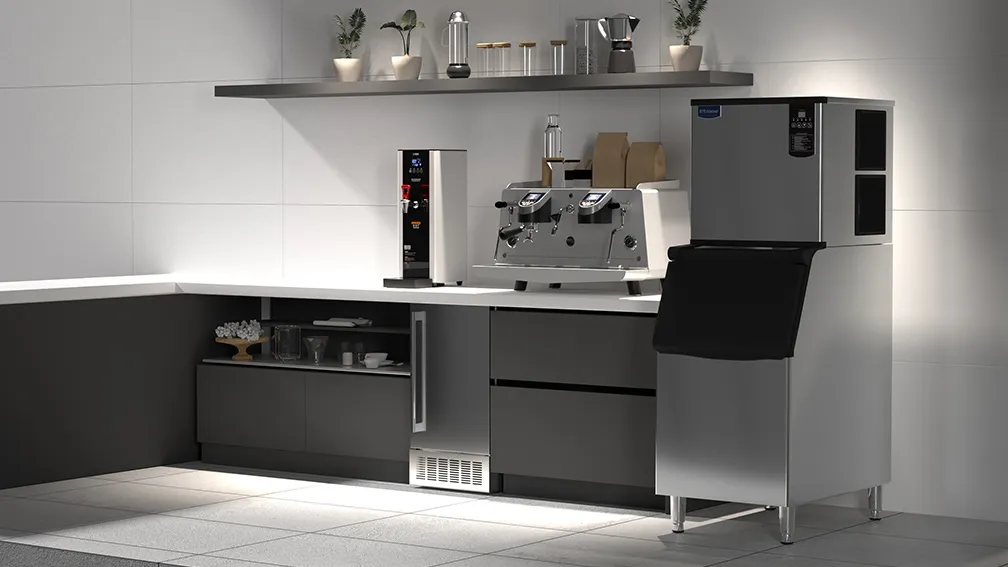
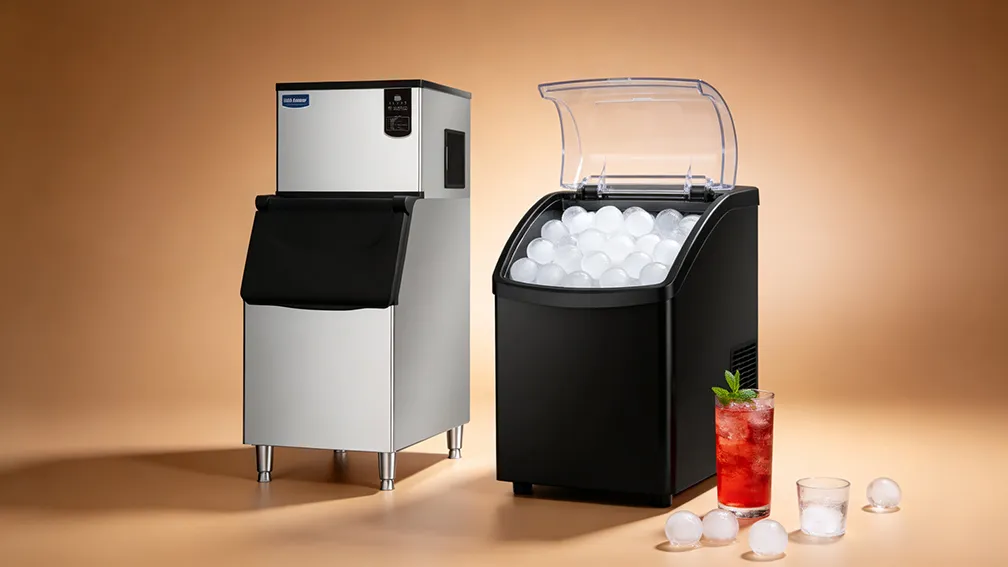
An ice maker is almost always a self-contained, plug-and-play appliance. It is designed for a home kitchen, a breakroom, or a wet bar. It combines a small ice-producing mechanism with a built-in storage bin, and it typically sits on a countertop or slides into a designated slot in cabinetry. Ice makers are rated by how many pounds of ice they can produce in 24 hours under ideal conditions, and those numbers usually fall between 20 and 50 pounds. They are built for occasional use—a family dinner, a small gathering, an office of 20 people. They are not built to run continuously in a hot, busy commercial kitchen.
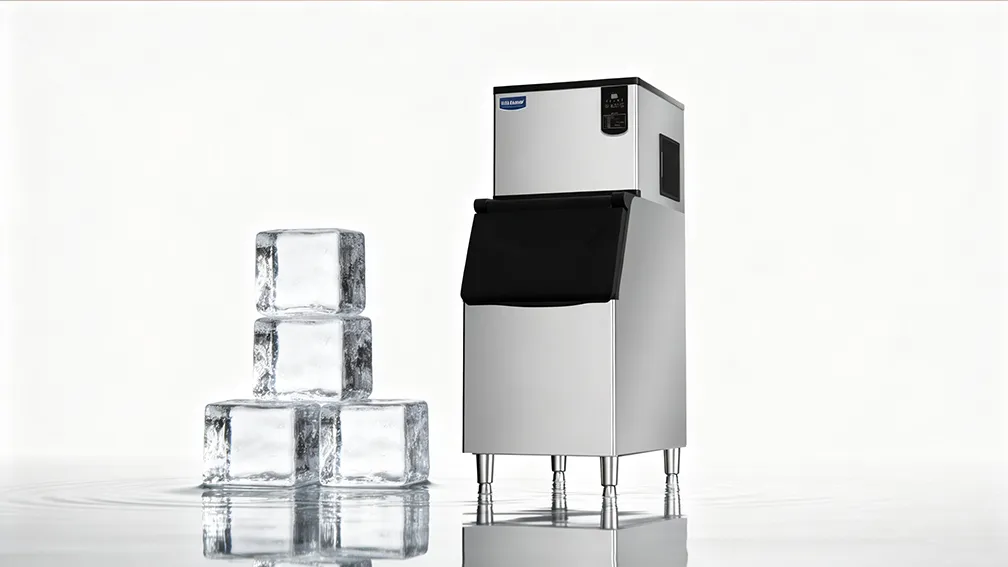
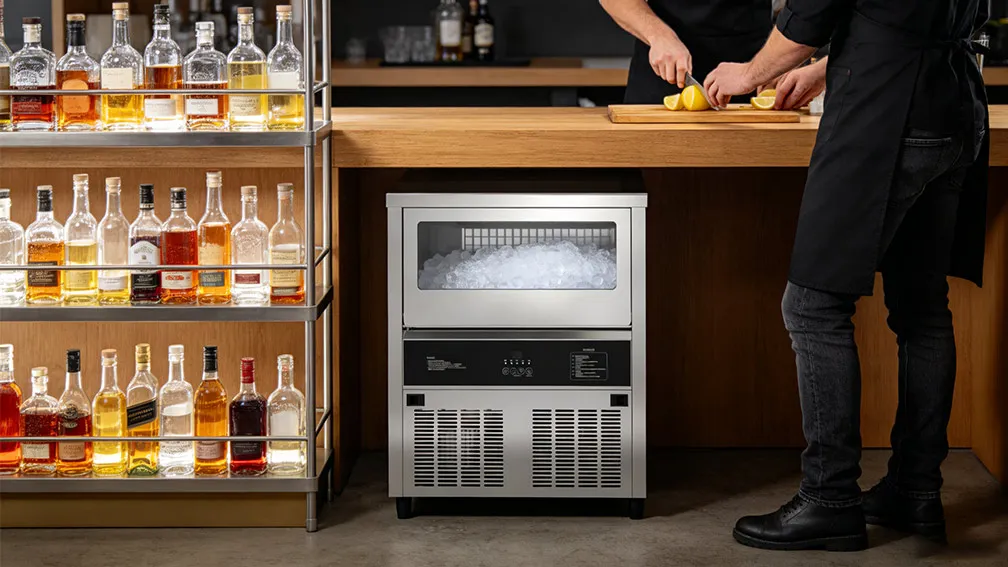
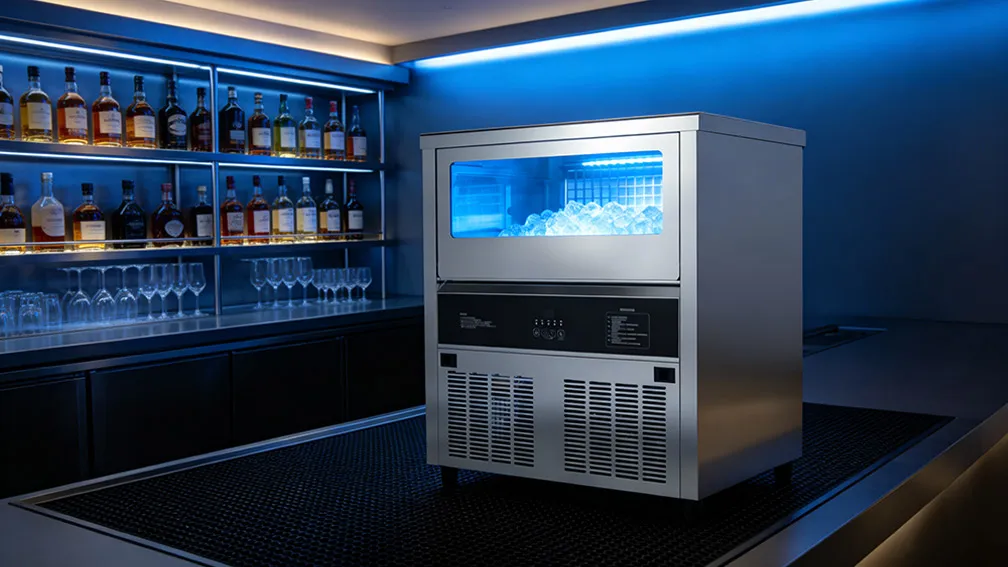
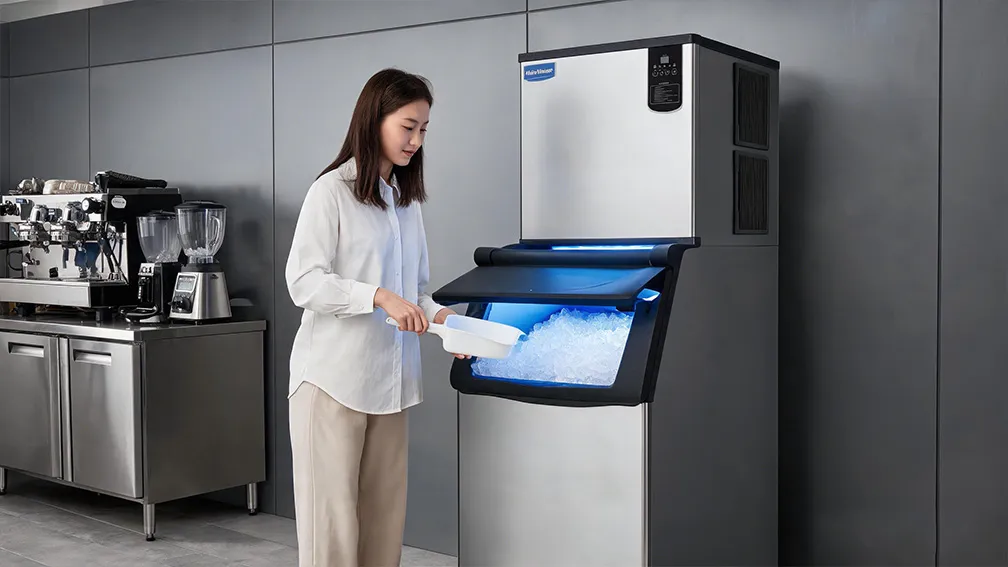
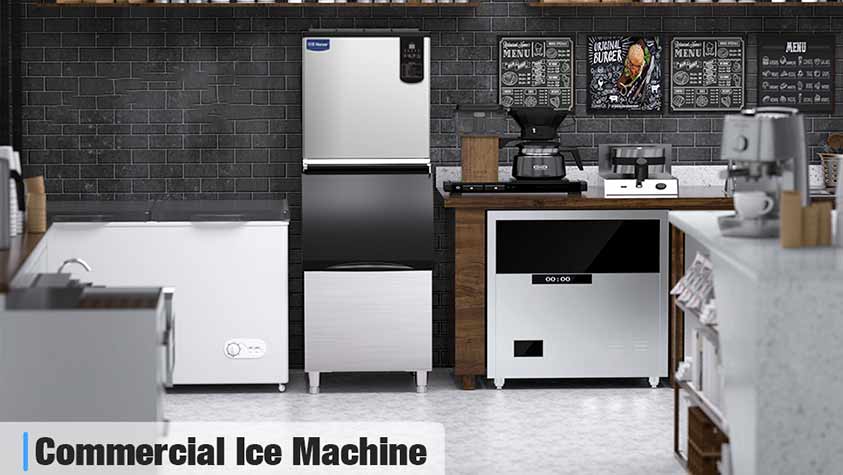
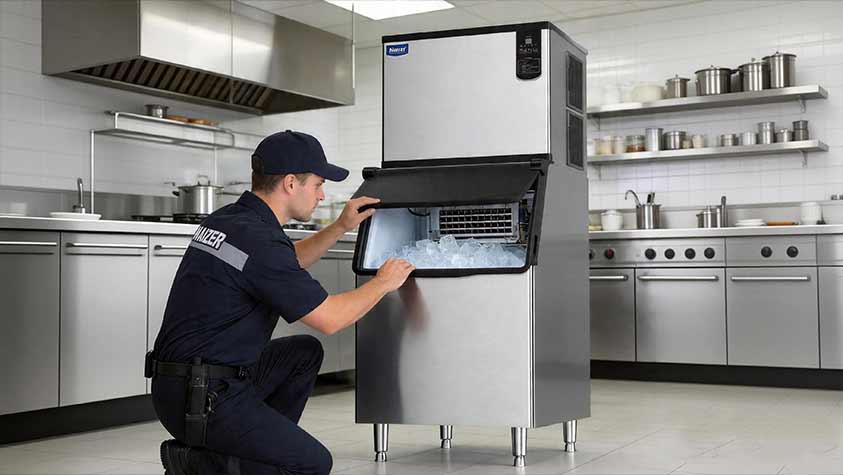
An ice machine, in professional kitchens and hospitality operations, is something else entirely. It is a piece of commercial equipment designed to operate around the clock in demanding environments. It may be an undercounter unit that combines an ice maker and a storage bin in a single stainless steel cabinet, or it may be a modular system that separates the ice-making head from a much larger storage bin. Commercial ice machines produce anywhere from 80 pounds to over 2,000 pounds of ice per day. They are built with industrial-grade compressors, food-grade stainless steel, and control systems that can handle the heat, humidity, and relentless pace of a professional kitchen.
The terms blur in everyday language. A restaurant owner might say “ice maker” and mean a 500-pound modular system. A homeowner might say “ice machine” and mean a 30-pound portable unit. But in the world of commercial foodservice equipment, the distinction is understood. An ice machine is a tool. An ice maker is an appliance. And choosing the wrong one for a commercial setting is an expensive mistake.
If you are trying to decide which type of machine fits your space and volume, the guide on the best under counter ice machine compares compact commercial options, and the article on what is a modular ice machine explains when a modular system makes more sense than a self-contained unit.
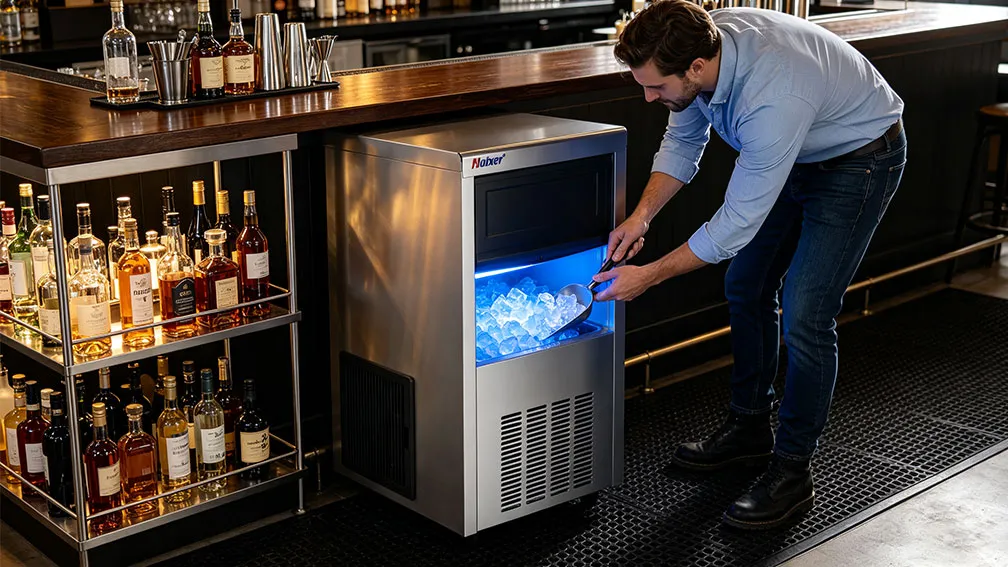
Whether you need crescent ice tailored for a coffee shop or large-format ice cubes that preserve the flavor profile of whisky in a high-end bar, Naixer offers proven, customized solutions.
Four Differences That Affect Your Business

The gap between a home ice maker and a commercial ice machine shows up in four areas that directly affect a business’s daily operations.
Production capacity and durability. A home ice maker produces 20 to 50 pounds a day. A commercial undercounter ice machine like the Naixer TH-80B produces 80 pounds, and larger models like the TH-500B produce 500 pounds or more. But the more important difference is endurance. A home ice maker is designed to run intermittently. Its compressor is not rated for continuous duty, and in a hot kitchen it will struggle, slow down, and eventually fail. A commercial machine is engineered to run 24 hours a day, cycling on and off constantly, in ambient temperatures that would overwhelm a home unit. That durability is what separates a machine that lasts seven to ten years from one that needs replacing in two. For more on what determines a machine’s lifespan, the commercial ice maker lifespan guide covers the key factors.
Ice type and quality. A home ice maker produces one kind of ice: small, often cloudy, and fast-melting. A commercial ice machine gives you choice. Cube ice for a high-volume bar. Crescent ice for iced lattes and spirit-forward cocktails. Flake ice for seafood displays. Gourmet large cubes for premium whiskey pours. Each shape requires a different evaporator and harvest mechanism, which is why dedicated commercial machines exist for each one. The ice your customers taste in their drinks is part of the product. Choosing the right shape is a business decision. The guide on which ice cube shapes are best for your restaurant compares every commercial ice type.
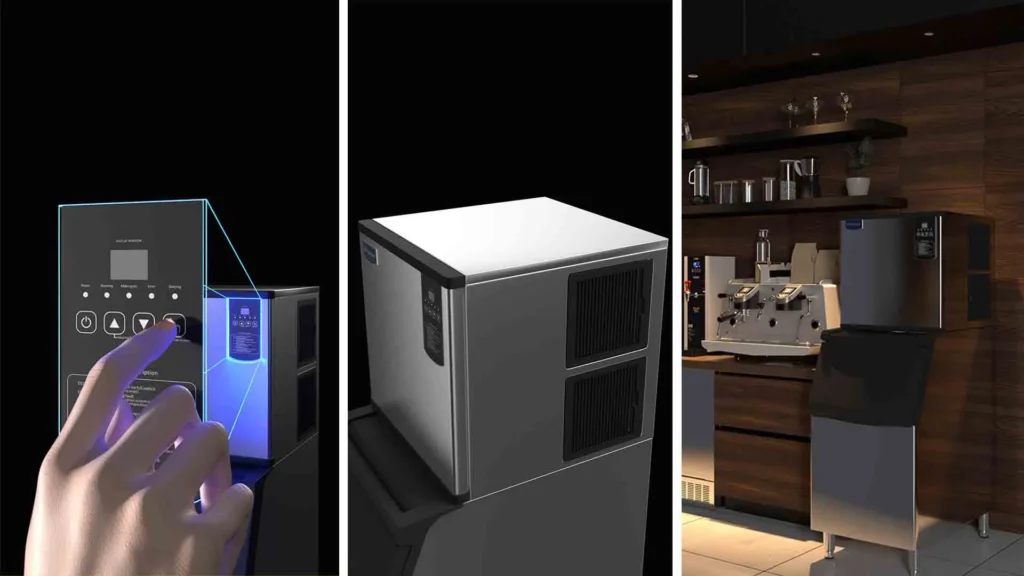
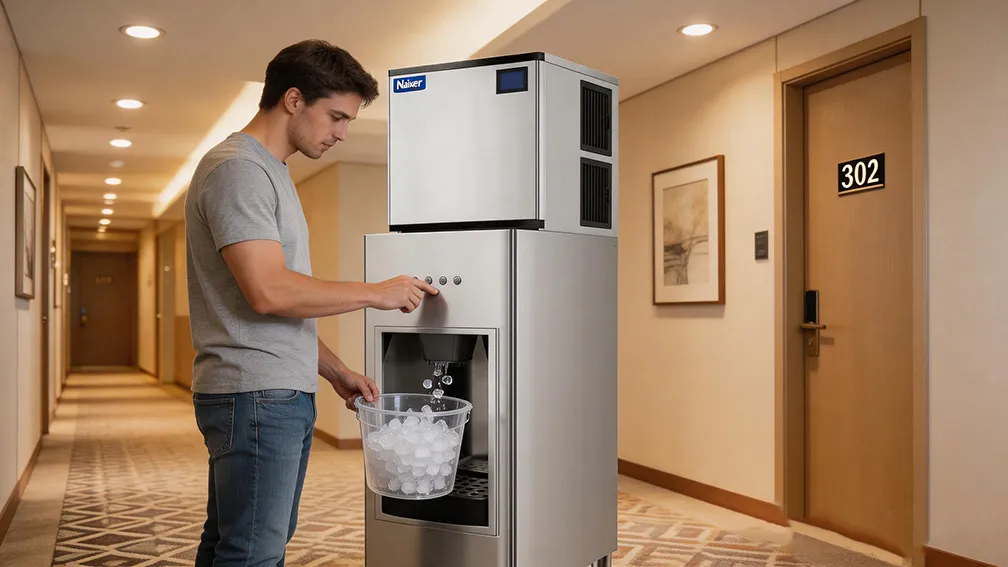
Sanitation and compliance. A home ice maker is not NSF-certified. It does not need to be. A commercial ice machine in a restaurant or hotel does. Health inspectors check for NSF certification, and they check the inside of the ice machine for mold, scale, and biofilm. Commercial machines are built with food-grade 304 stainless steel throughout the ice-making zone—a material that resists corrosion, cleans easily, and does not harbor bacteria in surface scratches. Many commercial machines also include touchless dispensing, which eliminates the scoop—the single most common source of ice contamination in a busy setting.
Long-term cost. A $300 home ice maker that fails every two years and still requires the business to supplement with bagged ice is not cheaper than a $2,500 commercial machine that lasts a decade. The math plays out over the life of the equipment. A Naixer TH-1200B costs roughly $2,200 to purchase and install, and about $100 a year to operate. Over five years, that is around $4,500 to $5,500. A home ice maker paired with bagged-ice purchases can easily exceed $8,000 over the same period, and the ice quality never matches what a commercial machine produces. For a complete breakdown of the costs, the restaurant ice machine cost guide covers every line item from purchase price to utilities and maintenance.
Which One Do You Actually Need?

If your business serves cold drinks, the question is not whether you need an ice machine. It is which ice machine you need.
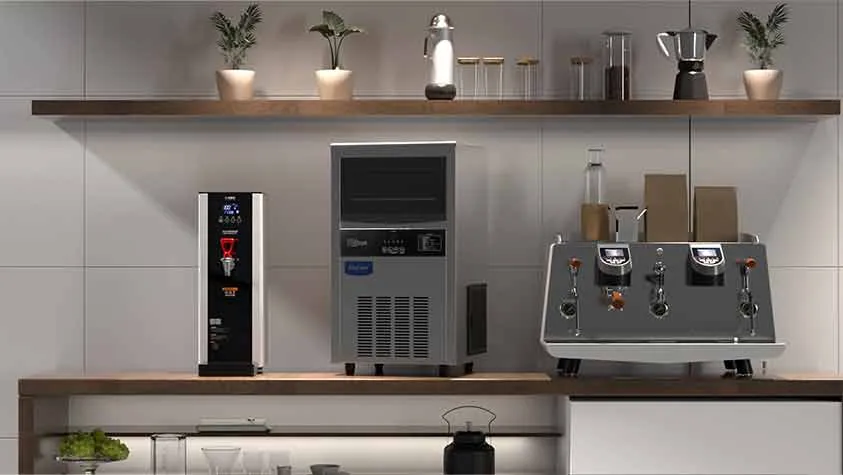
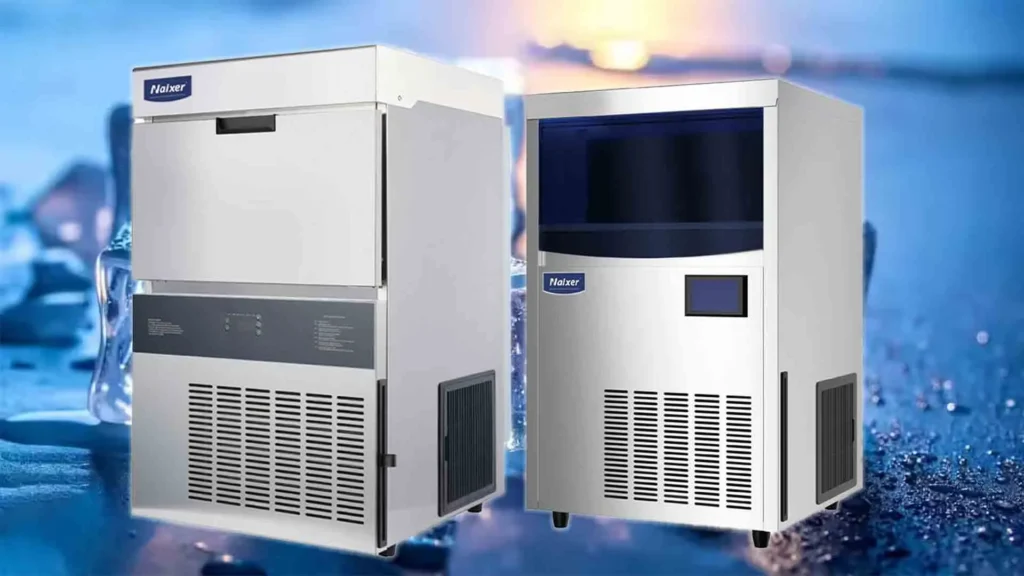
A small cafe that sells 100 iced lattes on its busiest day needs a compact undercounter unit like the Naixer TH-80B or the crescent-ice TH-SE150. It fits under a counter, connects to a water line and a drain, and produces enough ice to cover the peak without taking up floor space the business does not have.
A busy restaurant or bar that goes through 300 pounds of ice on a Friday night needs something larger: a high-capacity undercounter machine like the Naixer BT-260, or a modular system like the TH-500B or TH-1000B. These machines separate production from storage, giving the kitchen the ability to build up a substantial reserve during slow periods and release it during the rush.
A hotel, a casino, or a banquet hall that serves thousands of drinks in an evening moves into a different category entirely. Modular machines producing 1,000 to 2,000 pounds per day, paired with large storage bins, are the only way to keep ice flowing without interruption.
The common thread across all three profiles is this: a home ice maker cannot serve any of them for long. It may work for a week, or a month, or even a quiet summer. But when the rush hits, it will fail. And the cost of that failure—bagged ice, lost drink sales, frustrated customers—is far greater than the cost of buying the right machine in the first place.
Need help finding the right ice machine for your business? Naixer Ice has the right machine for you.
Ice Maker vs. Ice Machine — Quick Answers
Are an ice maker and an ice machine the same thing?
Not exactly. In common language they are used interchangeably, but in commercial foodservice, an ice maker usually refers to a small appliance, while an ice machine is a heavy-duty commercial unit built for continuous operation.
Can I use a home ice maker in my small cafe?
Technically, yes. Practically, it is a poor investment. A home ice maker cannot keep up with commercial demand, does not meet health code standards, and will likely fail within a year or two under continuous use.
Why do commercial ice machines cost so much more than home ice makers?
You are paying for an industrial-grade compressor, durable 304 stainless steel, a lifespan of seven to ten years, and the ability to produce clear, consistent ice in a hot, busy kitchen.
What is the difference between an undercounter and a modular commercial ice machine?
An undercounter unit combines the ice maker and storage bin in a single cabinet. A modular system separates the two, giving you higher capacity, more storage, and the flexibility to pair different heads and bins.
How long will a commercial ice machine last?
With proper maintenance, seven to ten years. Premium machines from manufacturers with strong quality control can last fifteen years or longer.
What type of ice should my business use?
It depends on what you serve. Cube ice is the all-purpose workhorse. Crescent ice is the standard for specialty coffee and craft cocktails. Flake ice is for seafood displays and food preservation. Gourmet large cubes are for premium spirits.