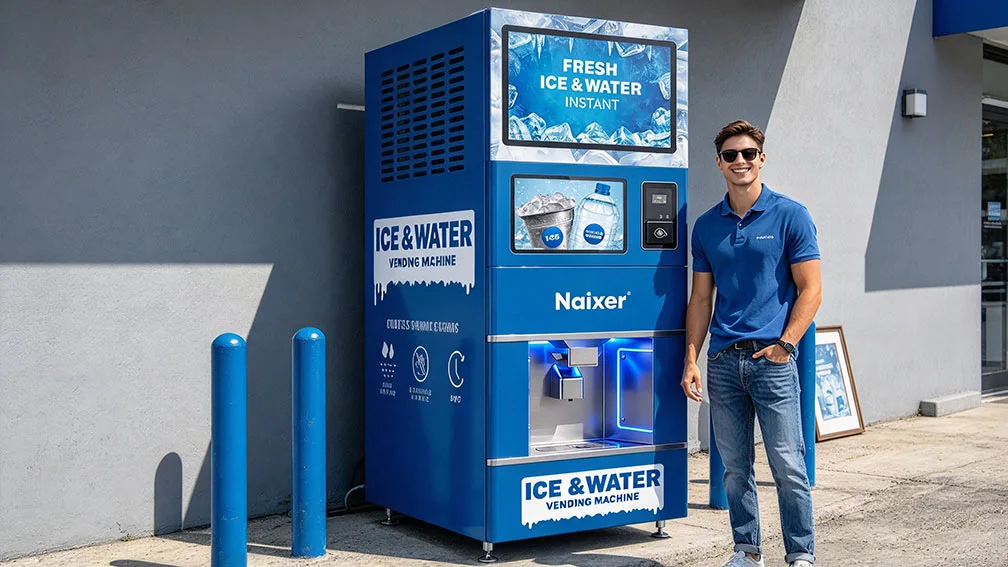
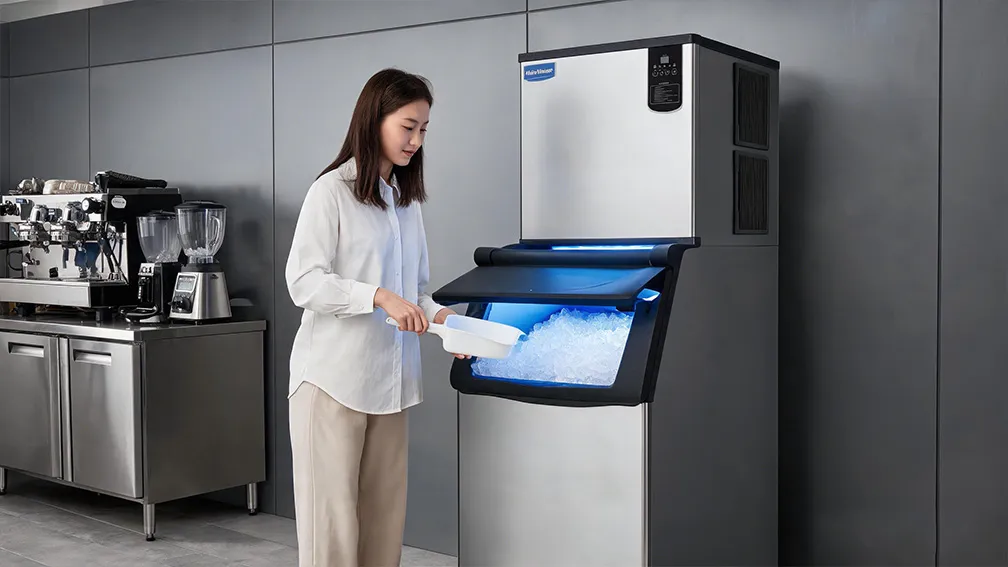
Every restaurant serves cold drinks. Every cold drink needs ice. And every time a kitchen runs out of ice during a dinner rush, the cost is not just the emergency bag run to the grocery store. It is the iced teas that were not served, the cocktails that were not shaken, the seafood display that started to look tired, and the frustration that rippled through the front of house.
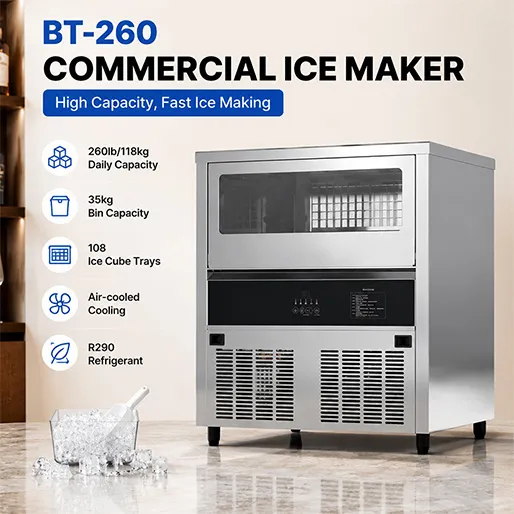
The best restaurant ice maker is not the most expensive one or the one with the highest production number on the spec sheet. It is the machine that matches your menu, your peak demand, and your kitchen‘s physical constraints, then runs reliably for a decade without becoming a source of daily stress. For the majority of full-service restaurants, the answer is a commercial cube ice machine like the Naixer TH-150B or the larger BT-260. For restaurants with specialty needs—a raw bar, a blended drink program, a high-end whiskey list—the answer may involve a different ice type or a combination of machines.
This guide breaks down how to find the right machine for your specific operation. For a broader look at the full decision framework, the guide on how to choose a commercial ice maker covers every factor from ice type to installation.
In this guide, you will learn:
Cube Ice: The Standard for a Reason

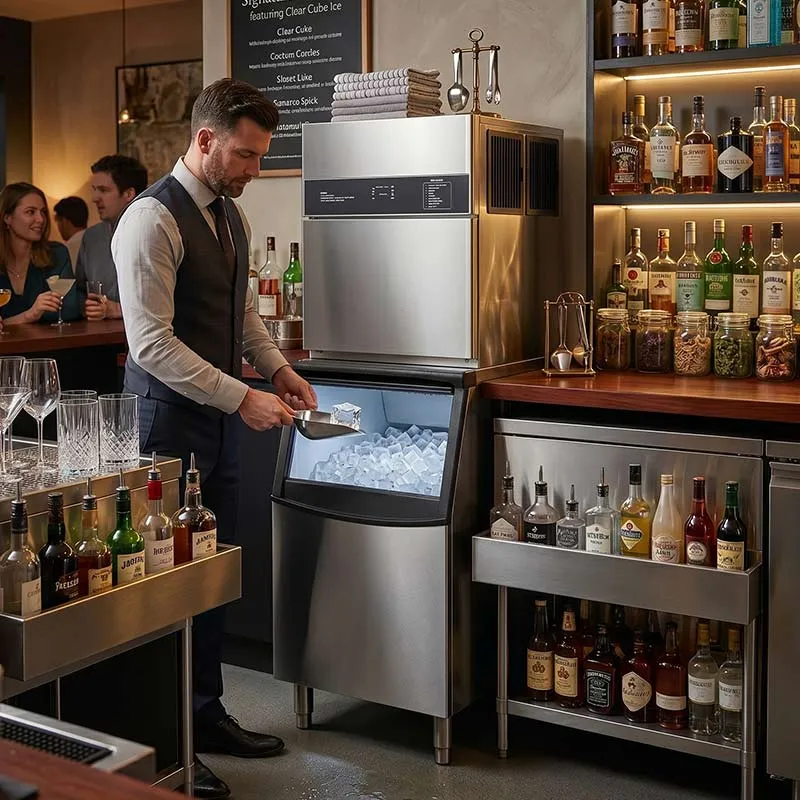
For the vast majority of restaurants, a cube ice machine is the right place to start. Standard 22-by-22-by-22-millimeter full cubes are dense, clear, and slow-melting. They work in soft drinks and iced tea, they work in shaken cocktails, and they look clean and professional in any glass. They are the most versatile ice shape in commercial foodservice, and they are what most customers expect to see when they order a cold drink.
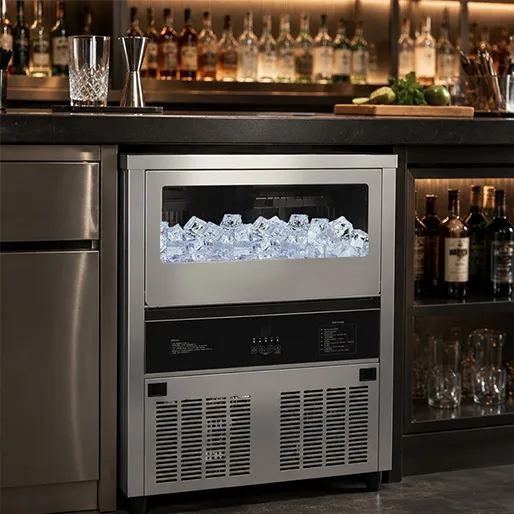
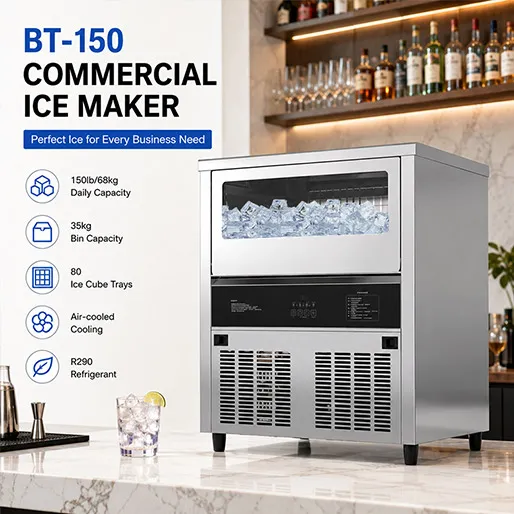
The Naixer TH Series is built around this shape. For a small restaurant or a modest bar program, the Naixer TH-150B is the standard workhorse: 150 pounds of cube ice per day, 45 kilograms of built-in storage, and a footprint of 665 by 710 by 960 millimeters that fits under a standard counter. It covers the needs of a 40- to 80-seat restaurant through a typical dinner service.
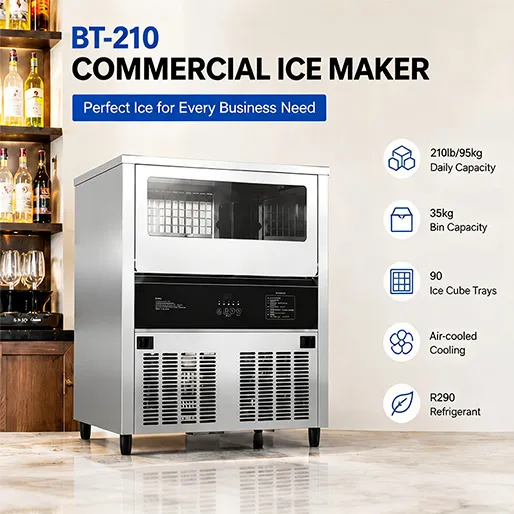
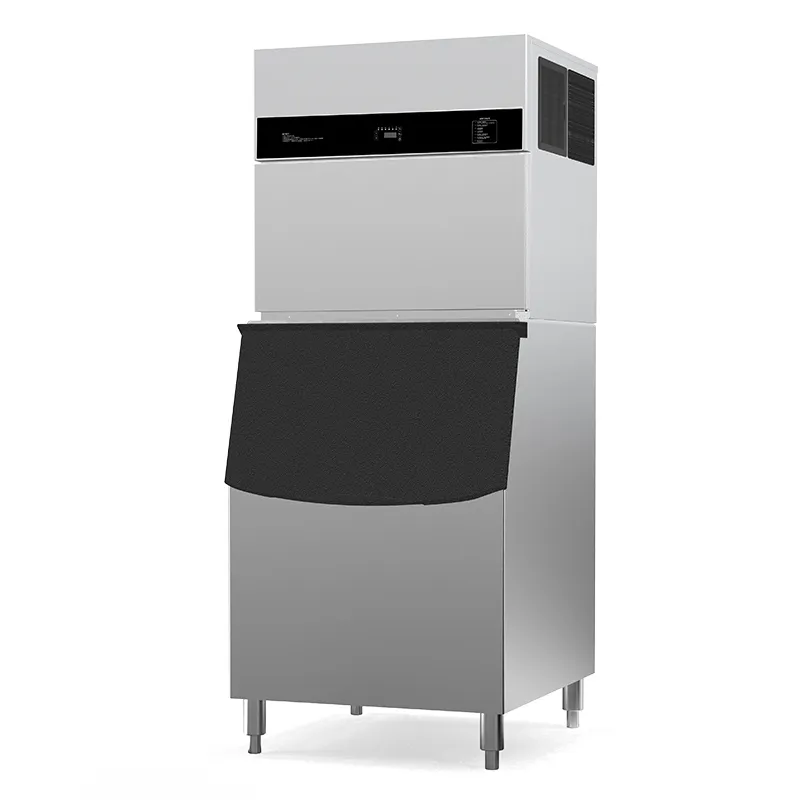
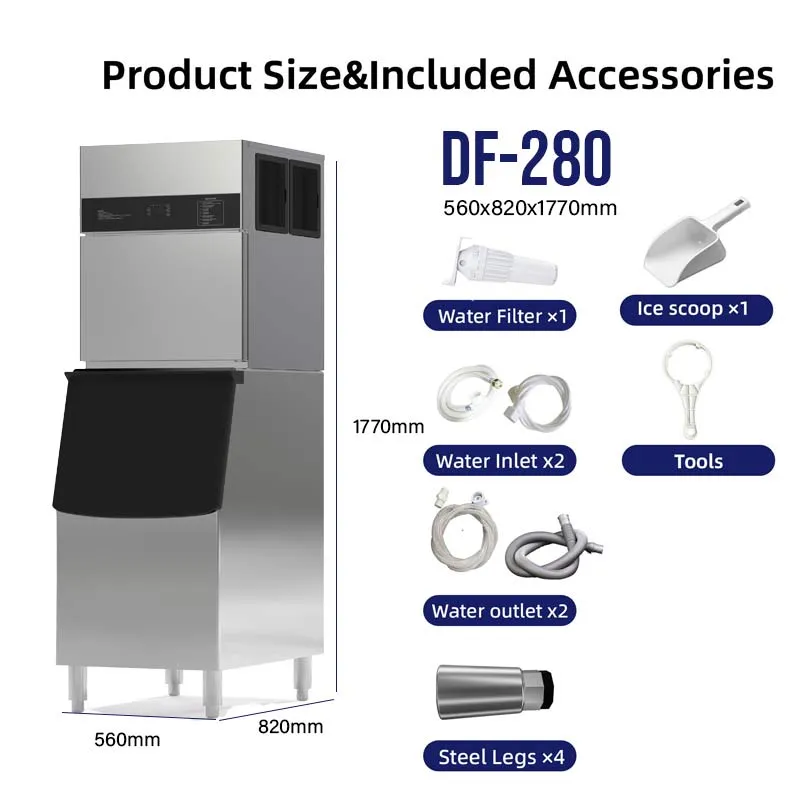
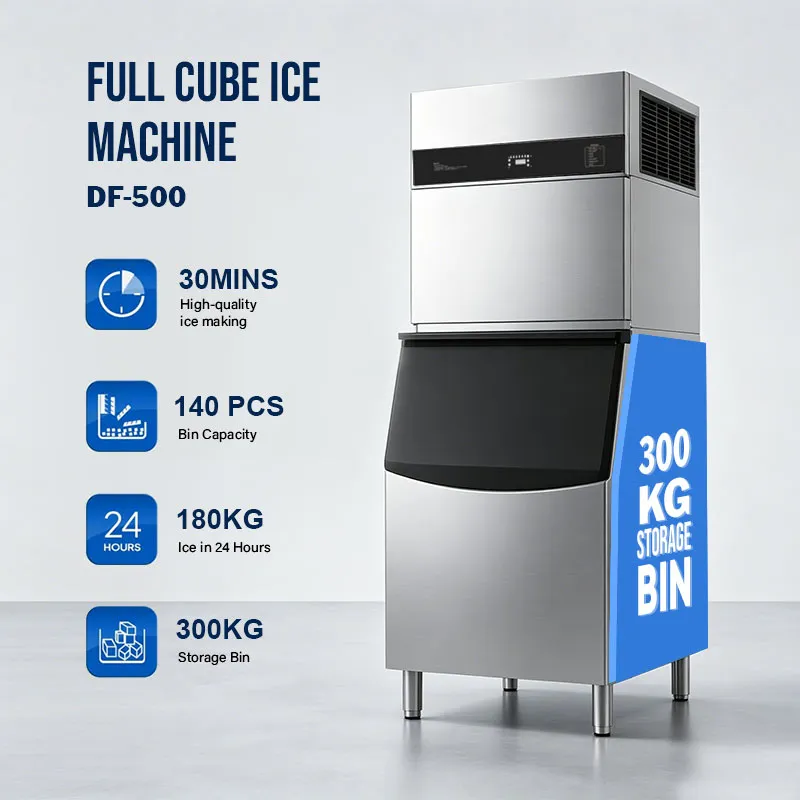
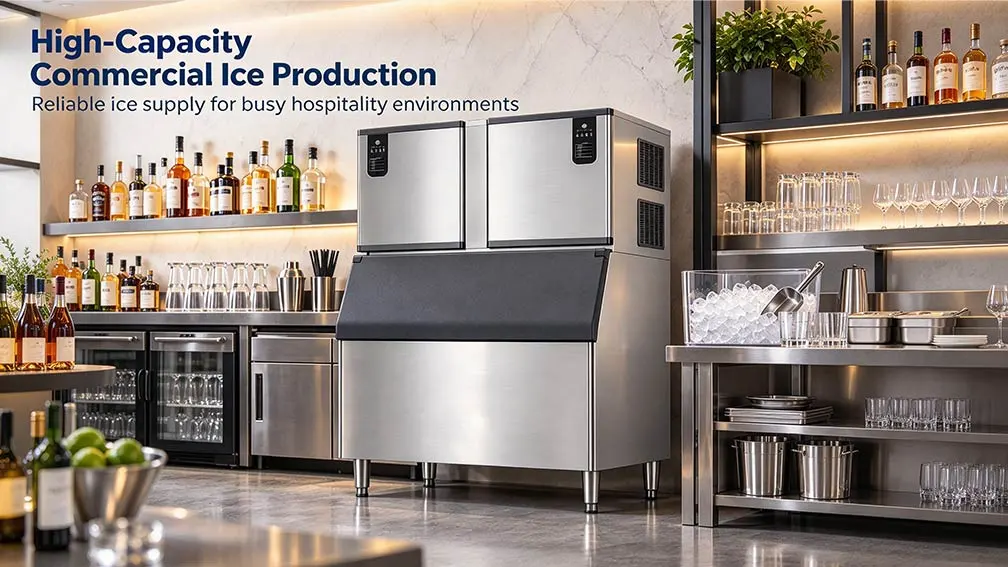
When the dining room gets larger and the bar gets busier, the Naixer BT-260 steps up. It pushes undercounter production to 260 pounds per day with 51 kilograms of storage, handling the volume of a busy gastro-pub or a 100-seat independent restaurant without demanding additional floor space. For operations that need 500 pounds of ice or more per day—large restaurants, hotel kitchens, banquet operations—the modular Naixer TH-500C and TH-1000C separate the ice-making head from the storage bin, producing 500 and 1,000 pounds per day respectively with 300-kilogram bins. These are machines built for continuous commercial duty, where running out of ice during service is not an acceptable outcome.
For a detailed comparison of how cube ice stacks up against every other commercial ice shape, the guide on which ice cube shapes are best for your restaurant covers the full spectrum.
Beyond the Cube: Specialty Ice for Specific Restaurant Needs
Not every restaurant can be served by a single cube ice machine. Some menus demand a different ice shape, and some operations need two machines to cover their full range of needs.
A seafood restaurant, a raw bar, or a hotel buffet depends on flake ice. Flake ice is soft, moldable, and made of thin, irregular shavings that conform to the shape of whatever they are cooling. A bed of flake ice under fresh oysters, shrimp, or salad bar ingredients provides continuous cooling without bruising or crushing delicate product. Flake ice is not for beverages—it melts almost instantly in a glass—but for food display, it is irreplaceable. The Naixer PB-300, PB-500, and PB-1000 can be configured as flake ice machines, covering everything from a small seafood counter to a large food processing operation.
A restaurant with a high-end whiskey program or a craft cocktail focus may need large-format gourmet cubes. These are crystal-clear, two-inch blocks that melt slower than any other commercial ice shape, preserving the flavor of a $30 pour of single malt for 20 to 30 minutes. The Naixer TH-DF130 produces 130 pounds of 50-millimeter gourmet cubes per day and fits under a standard counter, making it a practical addition for a steakhouse or a hotel lobby bar. For a deeper look at how large-format ice fits into a bar program, the guide on what type of ice is best for a bar covers the decision-making framework.
A fast-casual restaurant, a burger joint, or a healthcare facility may benefit from nugget ice. Nugget ice is soft, chewable, and absorbs the flavor of whatever drink it is in. It is the ice that built cult followings for Sonic and Chick-fil-A, and some operators report sales increases of over 25 percent after switching to it. The Naixer ZD-KL60 produces 132 pounds of nugget ice per day in a compact countertop unit that works as a secondary machine alongside a primary cube ice maker.
Sizing Your Restaurant Ice Maker: The 1.5-Pound Rule
The most expensive mistake in restaurant ice machine purchasing is buying a machine sized for an average Tuesday rather than a slammed Saturday night. A restaurant that serves 150 covers on a quiet weeknight might serve 300 on a weekend, and every one of those extra covers orders at least one cold drink.
The industry standard for full-service restaurants is roughly 1.5 to 2 pounds of ice per customer per day. This covers the ice in the glass, the ice in the server’s pitcher, the ice used to chill salad bar ingredients, and the inevitable waste of a scoop or two melting in the bin. For a restaurant that serves 200 covers on a peak night, the baseline demand is roughly 300 to 400 pounds.
That number needs a buffer. A 20 to 25 percent safety margin on top of the baseline accounts for weekend surges, holiday crowds, and the gradual decline in output that every machine experiences as it ages. A 200-cover restaurant applying a 25 percent buffer should target a machine that produces at least 375 to 500 pounds per day.
The storage bin matters nearly as much as the production head. A machine that produces 500 pounds per day but stores only 50 pounds will cycle on and off constantly during the dinner rush and still leave the line cooks waiting. The bin should hold at least 50 to 60 percent of daily production. For a complete sizing walkthrough with examples for different restaurant types, the guide on how to choose the right size commercial ice maker covers the math step by step.
What to Look for in a Restaurant Ice Maker
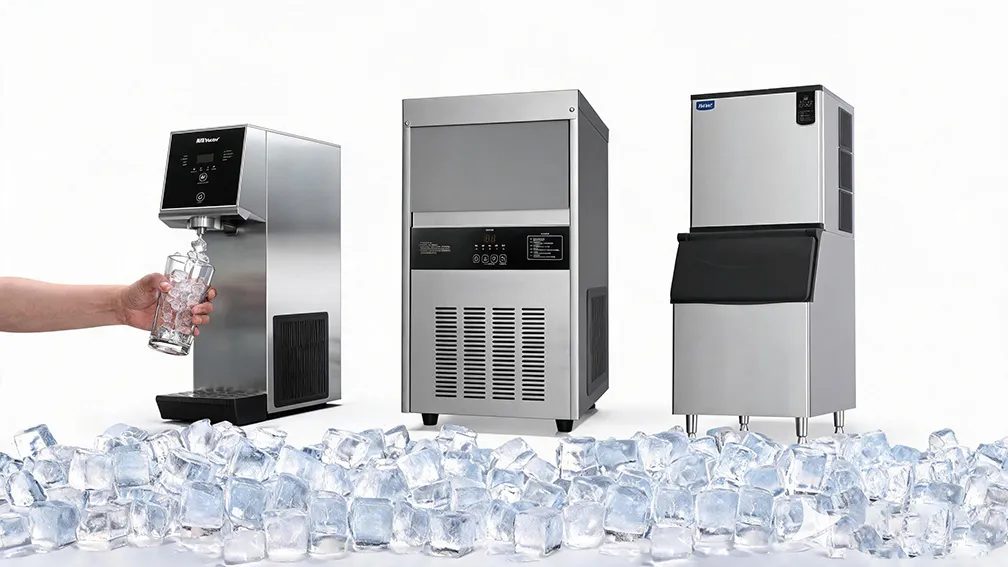
Beyond ice type and capacity, a few engineering and design factors separate a machine that lasts a decade from one that becomes a maintenance headache.
A restaurant ice machine needs to be built for a hot, humid, often greasy environment. Naixer machines use food-grade 304 stainless steel throughout the ice-making zone—the evaporator, the water trough, the bin interior—because it resists corrosion, cleans easily, and does not harbor bacteria in surface scratches the way plastic components do.
It needs to comply with the EPA‘s Technology Transition Rule, which took effect on January 1, 2026, and requires all new self-contained ice machines with a capacity of 1,000 pounds or less to use low-GWP refrigerants. Naixer machines use R290, a hydrocarbon refrigerant with a global warming potential of just 3.
It needs to be easy to maintain. Health codes require commercial ice machines to be deep cleaned and sanitized every six months at minimum, more frequently in hard-water areas. Naixer’s One-Touch Cleaning function automates the descaling cycle—press a button and the machine circulates the solution, drains, and rinses without disassembly. The condenser coils should be cleaned with a soft brush every three months to remove dust and grease. For a complete step-by-step walkthrough, the Naixer ice machine cleaning guide covers every stage from descaling to sanitizing.
It needs to last. With proper maintenance, a commercial ice machine should deliver 7 to 10 years of reliable service. The commercial ice maker lifespan guide explains the four key factors that determine longevity and how to maximize each one.
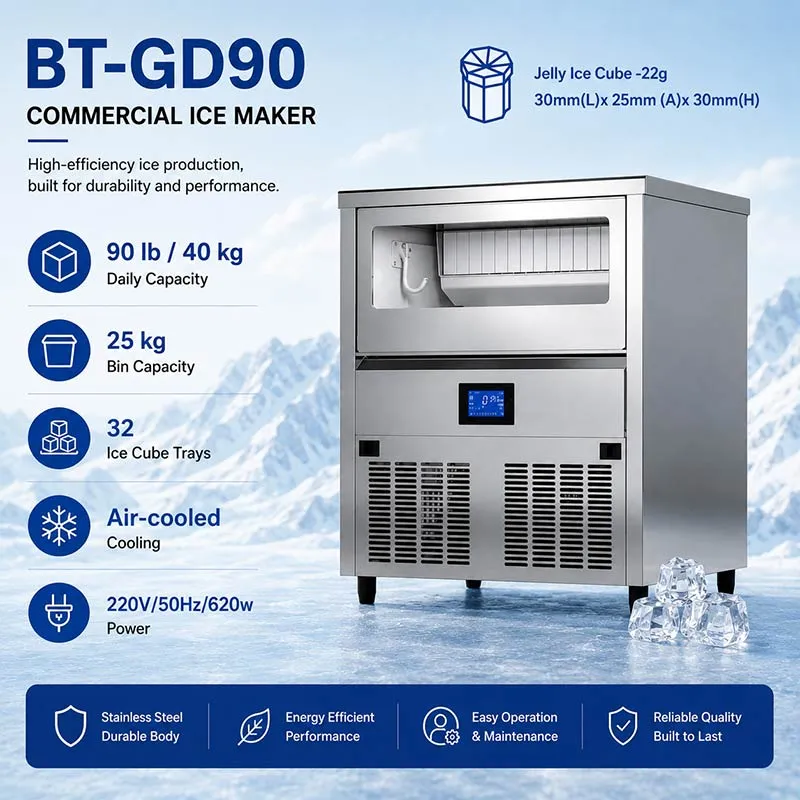
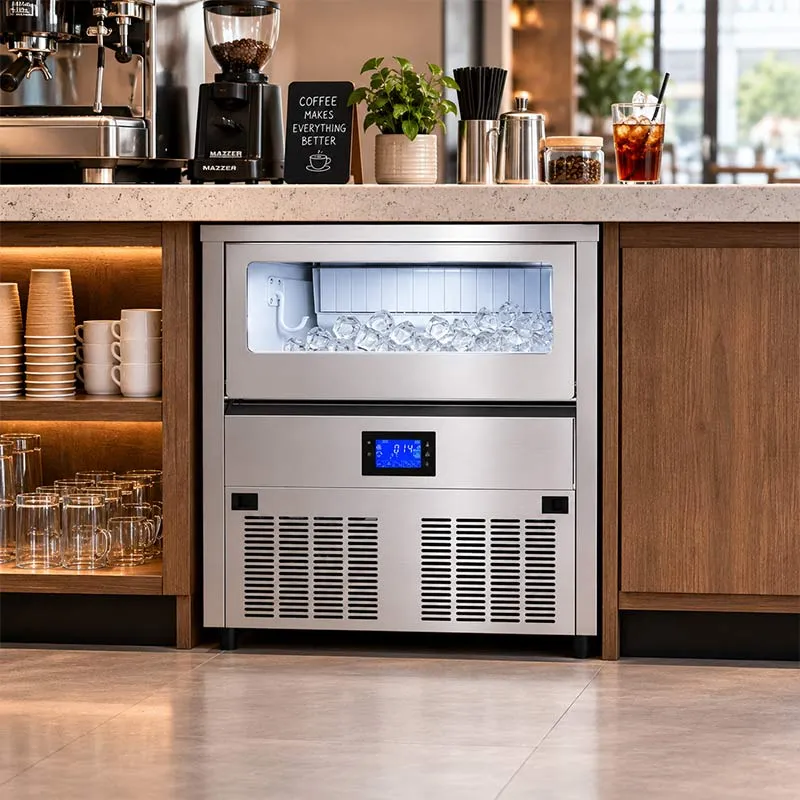
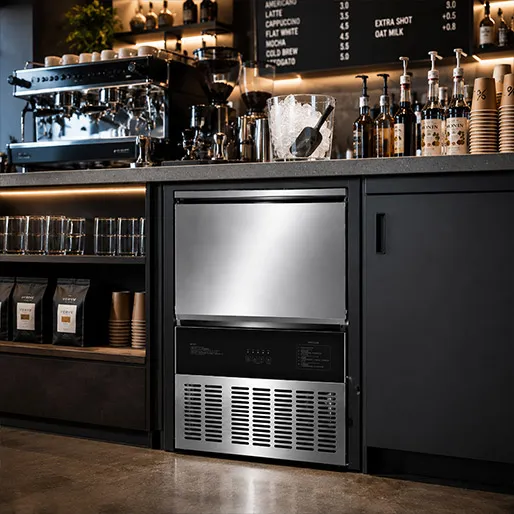
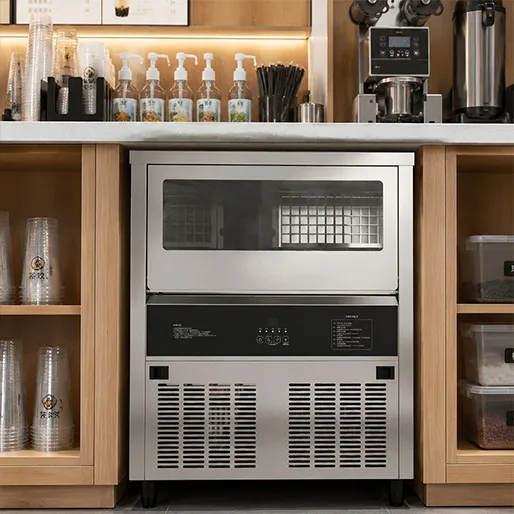
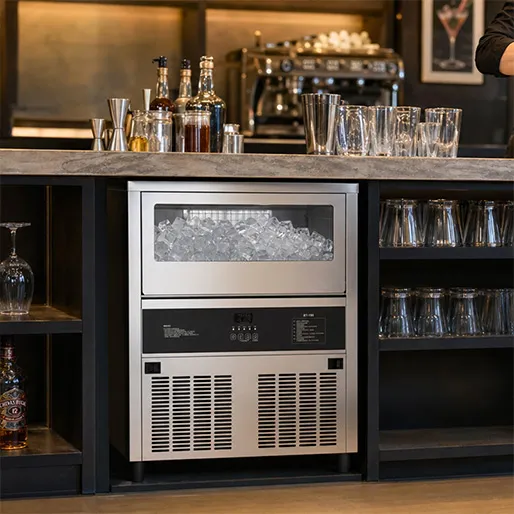
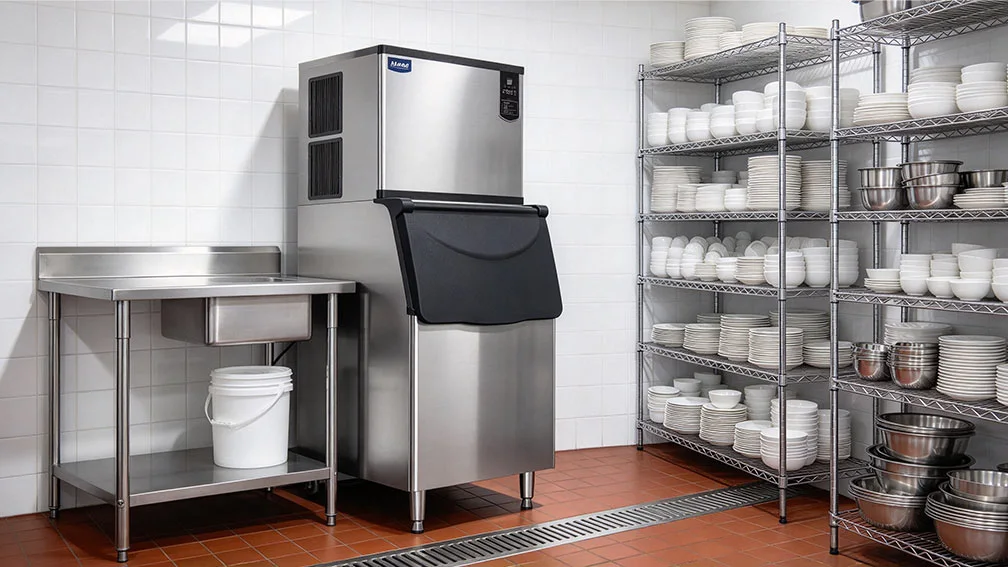
It needs to fit. Most independent restaurants do not have a dedicated equipment room. Undercounter machines like the TH-150B and BT-260 combine the ice maker and storage bin into a single cabinet that slides under a standard counter. For operations with more space, modular systems offer higher capacity and the flexibility to pair different head and bin sizes. The guide on the best under counter ice machine compares compact commercial options in detail.
For a complete picture of how the machine fits into the larger equipment budget, the restaurant ice machine cost guide breaks down purchase price, installation, utilities, maintenance, and long-term operating costs across different machine types and capacities.
Need help finding the right ice machine for your business? Naixer Ice has the right machine for you.
Restaurant Ice Maker — Quick Answers
What type of ice maker is best for a restaurant?
For most full-service restaurants, a commercial cube ice machine is the best choice. Cube ice is versatile, slow-melting, and works for everything from soft drinks to cocktails. Specialty operations like seafood restaurants may also need a flake ice machine, while high-end bars within restaurants may benefit from a gourmet large cube machine.
How much ice does a restaurant use per day?
Full-service restaurants typically use 1.5 to 2 pounds of ice per customer. A restaurant serving 200 covers on a peak night needs roughly 300 to 400 pounds as a baseline, plus a 20 to 25 percent buffer for peak demand.
What size ice machine do I need for my restaurant?
Calculate your peak daily customer count, multiply by 1.5 to 2 pounds, then add a 25 percent buffer. A 200-cover restaurant should target a machine that produces 375 to 500 pounds per day.
Can I use a home ice maker for my restaurant?
No. Home ice makers are not designed for continuous commercial use, produce lower-quality ice that melts quickly, and lack the NSF certification required by health codes in most jurisdictions.
How long does a commercial restaurant ice machine last?
With proper maintenance—deep cleaning every six months, condenser cleaning every three months, and regular water filter changes—a commercial ice machine should last 7 to 10 years. Premium units can exceed 16 years.
How much does a commercial restaurant ice maker cost?
Prices vary by capacity, ice type, and configuration. A compact undercounter cube machine typically costs between $1,800 and $3,500. Mid-range modular systems range from $3,500 to $8,000. Large specialty machines can reach $15,000 or more. Installation, utilities, and maintenance add to the total cost of ownership.