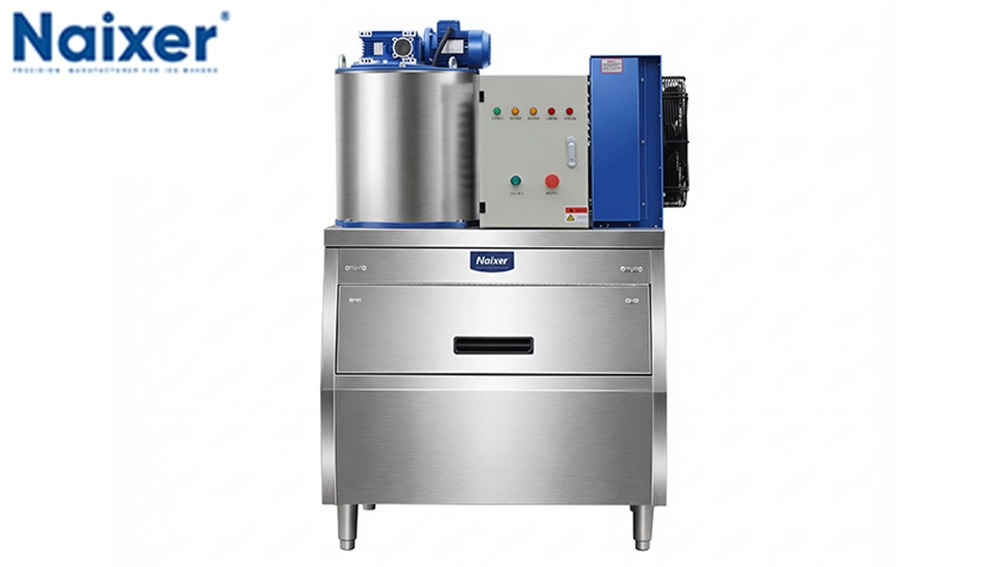
What is the Best Type of Ice Machine for a Coffee Shop?

In modern specialty coffee shops, cold beverages—including cold brew, iced lattes, fruit refreshers, and blended frappes—account for 60% to 80% of total beverage sales year-round. Because hot espresso is poured directly over ice, ice selection isn’t just about refrigeration; it directly impacts flavor extraction, drink dilution speed, visual presentation, and gross profit margins per cup.
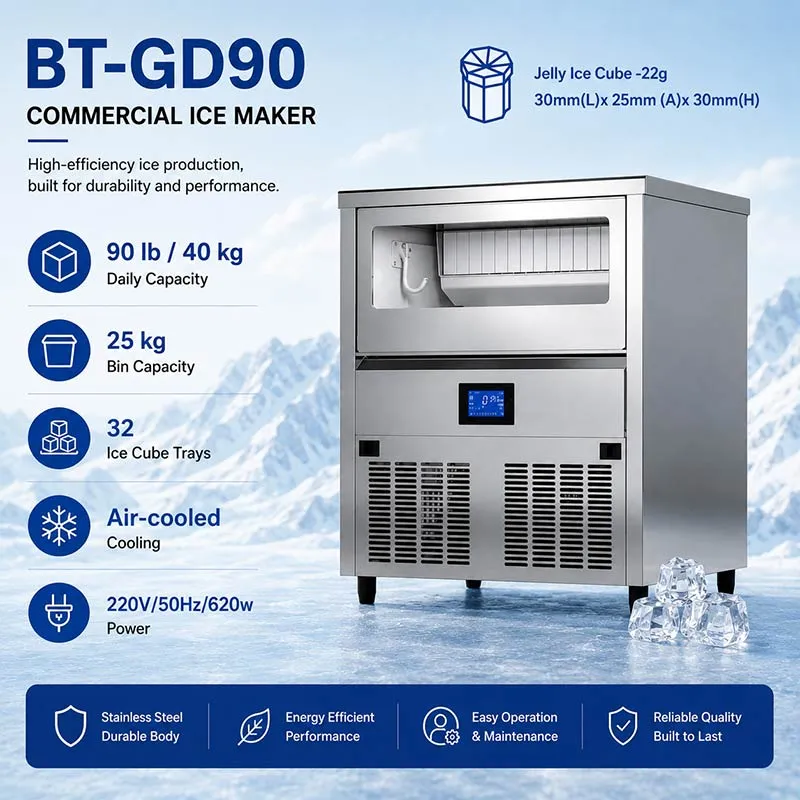
Choosing the ideal coffee shop ice machine requires matching your beverage menu with the right ice geometry, calculating your peak daily yield (lbs/24h), and selecting a unit built with low energy consumption and global power compatibility.
In this guide, you will learn:
Quick Comparison: Best Ice Types for Coffee Shops
The table below outlines the performance characteristics, melt rates, and target beverage applications for cafe ice shapes.
| Ice Type | Melt Rate | Best Application | Key Advantage | Overall Rating |
|---|---|---|---|---|
| Half-Cube | Moderate | Iced Lattes, Iced Teas & Blended Drinks | Packs tightly into cup; saves liquid usage | Best All-Rounder |
| Crescent Ice | Slow | Hot Espresso Pour-over & Cold Brew | Minimal dilution; smooth liquid displacement | Best for Espresso |
| Full Cube | Slowest | Pre-chilled Cold Brew & Iced Coffee | Sustained cooling over long drinking times | High Versatility |
| Nugget Ice | Quick | Signature Specialty Drinks & Smoothies | Chewable texture; rapid cooling; high customer preference | Best for Specialties |
Analysis of Cafe Ice Types
1. Half-Cube Ice (Half-Dice)

Half-cube ice is the default standard for high-volume coffee shops. Its smaller size allows the cubes to pack tightly into standard 12 oz, 16 oz, or 24 oz takeaway cups.
Profit Advantage: Better cup displacement means you use less liquid yield per serving without making the drink appear underfilled.
Blender Friendly: Crushes smoothly in high-speed blenders with minimal stress on blender blades when preparing frappes and ice-blended beverages.
2. Crescent Ice

Crescent-shaped ice features a unique curved geometry engineered for hot-to-cold thermal dynamics. When hot espresso shot flows over crescent ice, the curved surface directs liquid smoothly into the glass rather than causing splashback.
Flavor Preservation: Its solid structure and low surface area melt slowly, preventing premature watering-down of delicate espresso notes.
No Bridging: Crescent cubes do not freeze together into single clumps inside storage bins.
3. Full Cube Ice

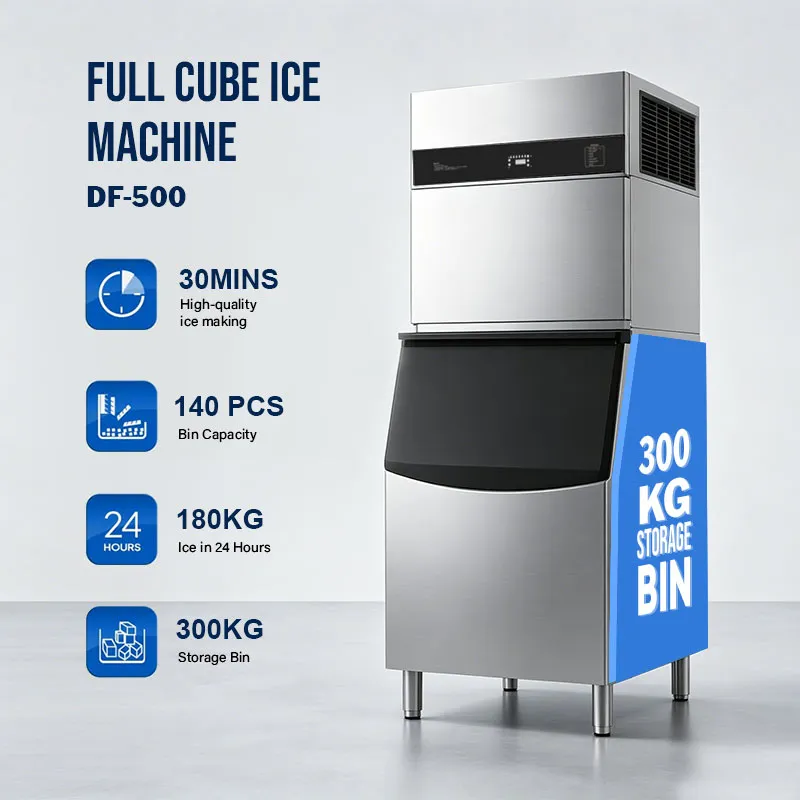
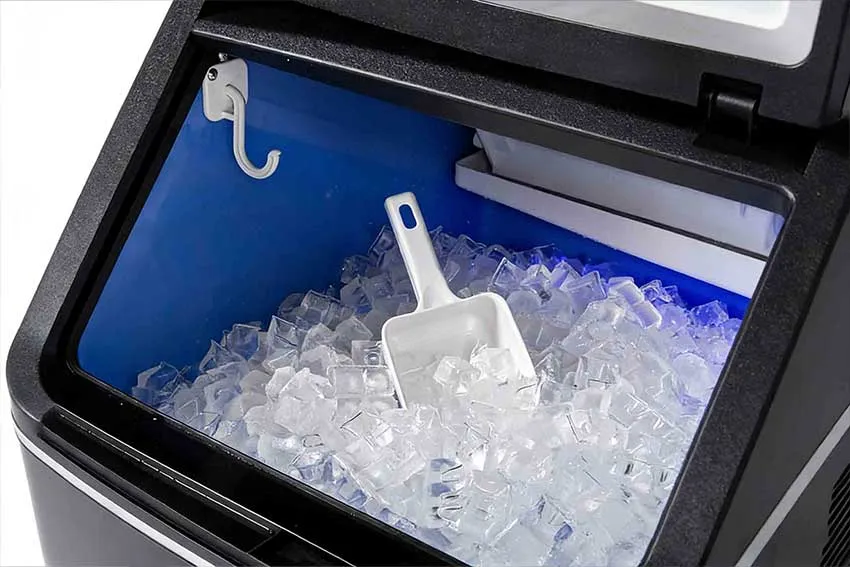
Full square cubes (23*23*23mm) provide maximum thermal density. They melt at the slowest rate, making them ideal for pre-chilled cold brew, iced Americanos, and specialty tea drinks where consistent flavor profile over 30+ minutes is essential.
4. Nugget Ice (Sonic / Chewable Ice)
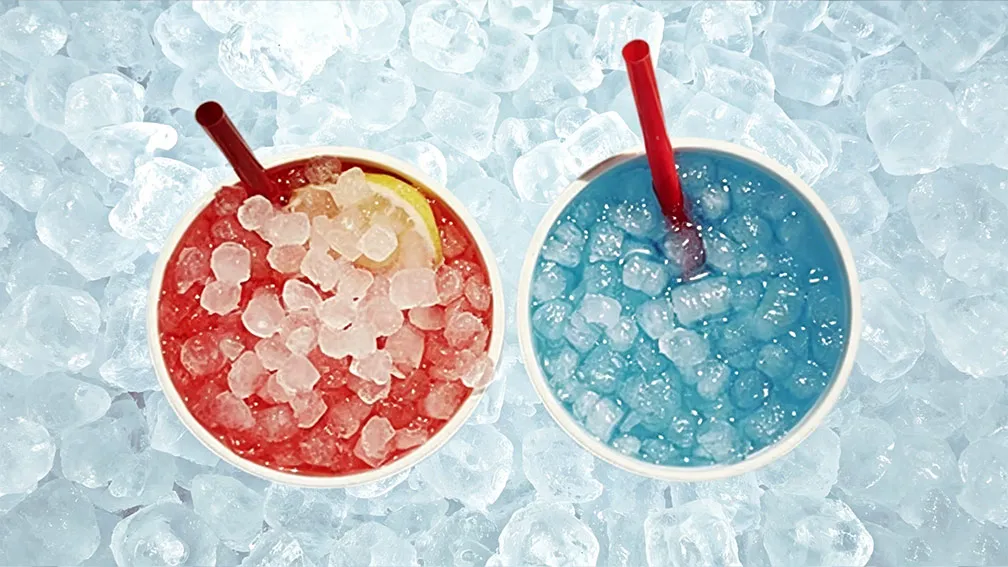
Nugget ice is created by compacting flaked ice into soft, porous granules. While it melts faster than solid cubes, it absorbs coffee flavors and offers a chewable texture that drives high customer satisfaction for signature cold drinks.
To review full specifications on cube geometries and machine specs, explore our detailed guide on what type of ice coffee shops use.
How Much Ice Does a Coffee Shop Need Per Day?

Underestimating ice needs during summer rush hours can halt drink service. A standard industry rule of thumb is 1.5 lbs of ice per 16 oz iced beverage served.
Coffee Shop Daily Ice Requirement Formula
✓ Includes 1.5 lbs/cup displacement & 20% peak rush margin
Daily Sizing Examples
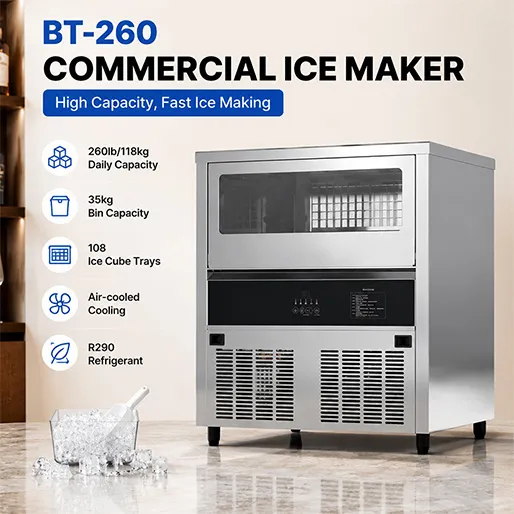
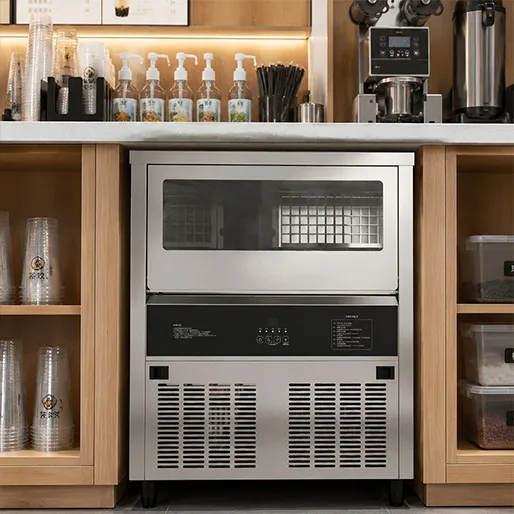
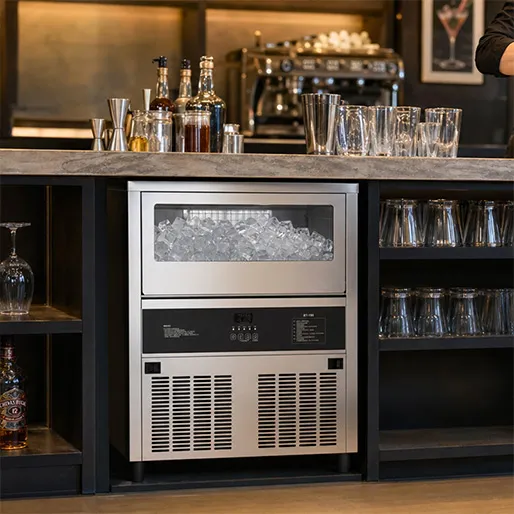
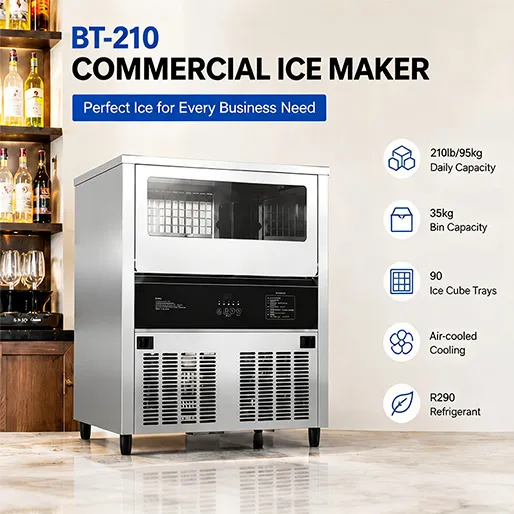
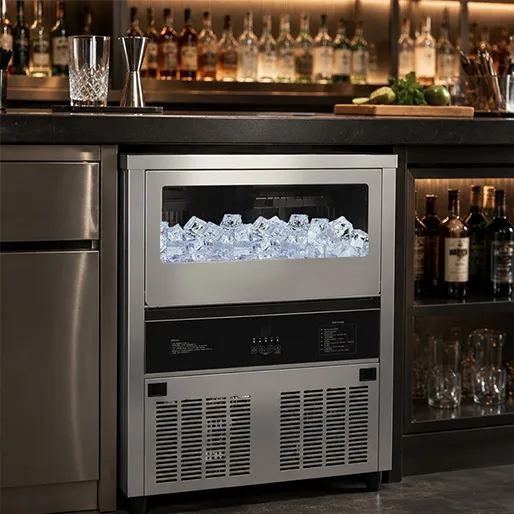
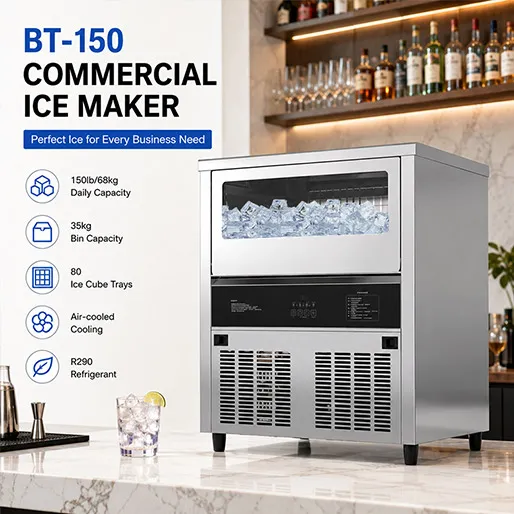
Small Specialty Cafe (100–150 Iced Drinks/Day): Requires 180 lbs – 270 lbs daily capacity. Recommended setup: Undercounter Commercial Ice Machine.
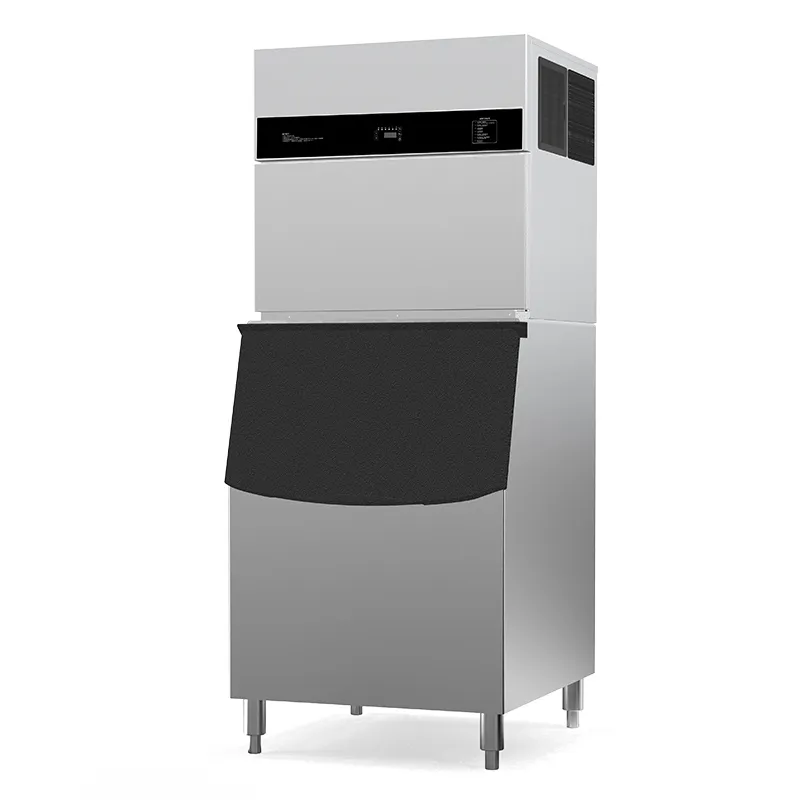
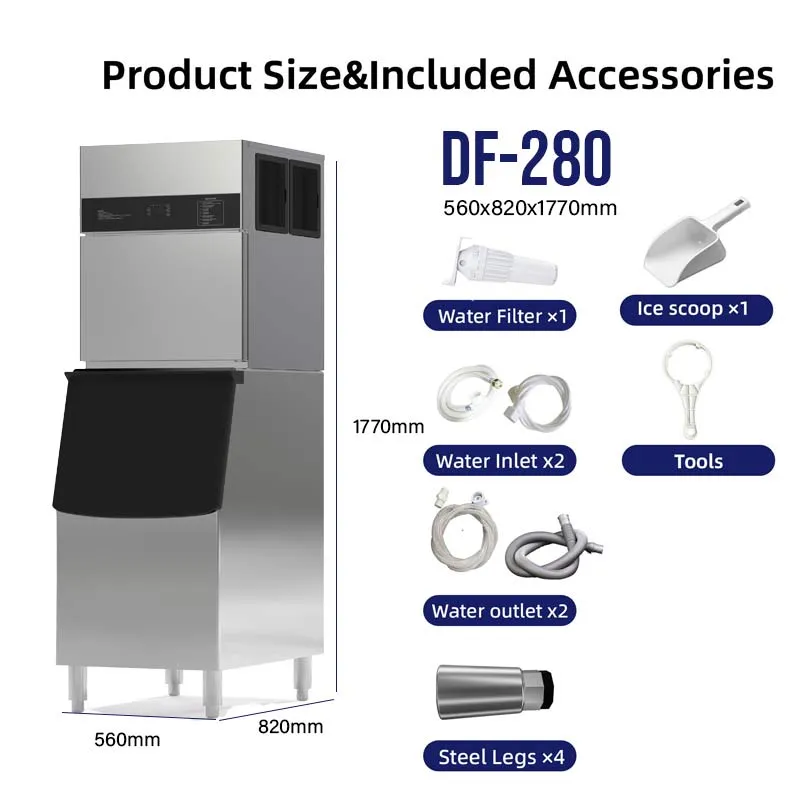
Busy Commercial Cafe (250–400 Iced Drinks/Day): Requires 450 lbs – 720 lbs daily capacity. Recommended setup: Modular Head + Storage Bin System.
Drive-Thru / High-Volume Chain (500+ Iced Drinks/Day): Requires 900+ lbs daily capacity. Recommended setup: Dual Modular Systems.
Equipment Configuration: Undercounter vs. Modular Systems

| Feature | Undercounter Ice Machines | Modular Ice Machines |
|---|---|---|
| Production Capacity | 80 lbs – 300 lbs / 24h | 300 lbs – 2,000+ lbs / 24h |
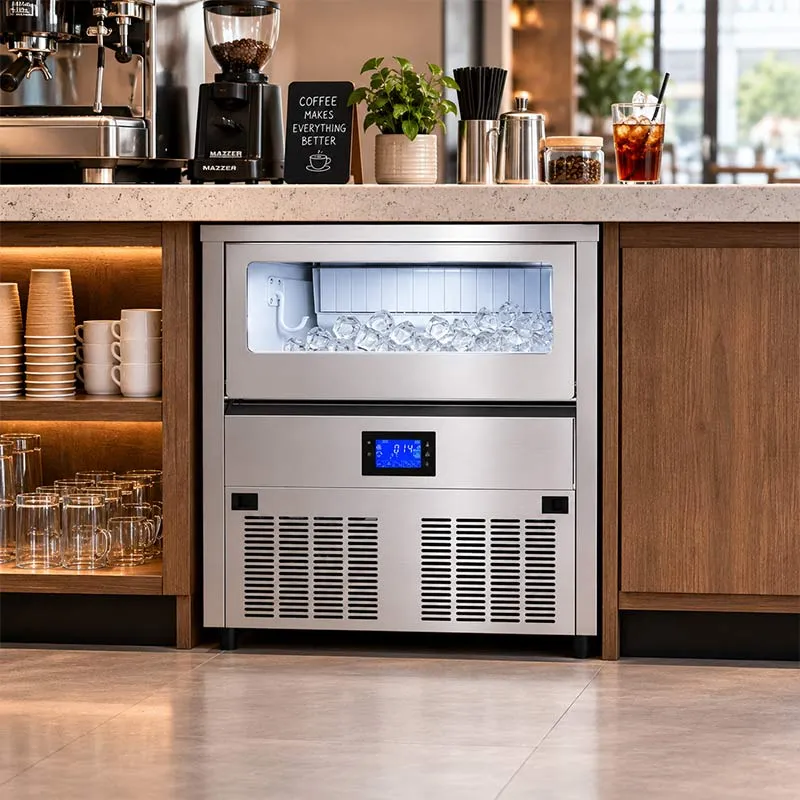
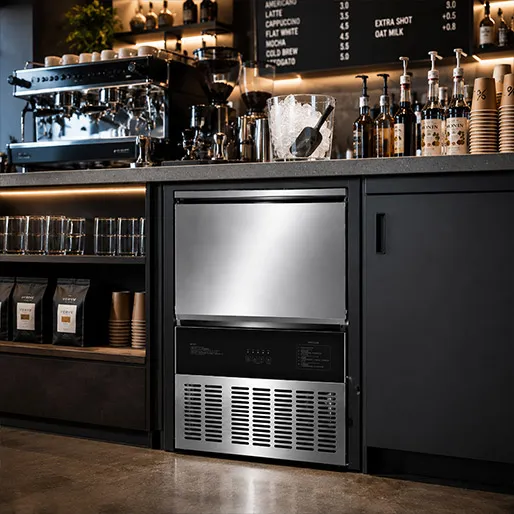
| Footprint & Placement | Compact; fits under standard 34" counter | Requires back-of-house floor space |
| Built-in Storage Bin | Integrated self-contained bin | Separate ice storage bin required |
| Best For | Small cafes, bars, and point-of-sale stations | High-volume coffee shops & multi-station stores |
Key Technical Features to Verify Before Buying
1. Air-Cooled Condensers
Air-cooled units are the standard choice for cafes. They use internal fans to cool the refrigeration system, saving thousands of gallons of water annually compared to water-cooled models. Ensure your counter layout leaves at least 6 inches of clearance for proper air intake and exhaust.
2. Eco-Friendly R290 Refrigerant
Modern commercial ice machines use natural R290 hydrocarbon refrigerant. R290 offers zero ozone depletion potential (ODP), extremely low global warming potential (GWP), and up to 25% lower energy consumption compared to older legacy refrigerants.
3. Voltage & Regional Plug Configuration
When purchasing equipment for international locations, confirm exact power specs:
North America: 110V–115V / 60Hz
Europe, Asia, Middle East: 220V–240V / 50Hz or 60Hz
For custom commercial setups, browse Naixer’s factory-direct ice machine catalog to configure regional power plugs, custom branding, and heavy-duty 304 food-grade stainless steel housings.
Frequently Asked Questions (FAQ)
What type of ice machine is most commonly used in coffee shops?
Most independent coffee shops use undercounter or modular half-cube ice machines. Half-cube ice cools hot espresso quickly, fills takeaway cups efficiently, and crushes easily for blended frappes.
Why is air-cooled preferred over water-cooled for cafes?
Air-cooled ice makers have lower operational utility costs and simpler installation requirements. Water-cooled units consume up to five times more water, making them illegal or cost-prohibitive in many municipal regions.
How often should a coffee shop ice machine be cleaned?
Air filters should be cleaned monthly. Complete sanitization and scale removal using food-safe descaling solutions should be conducted every 3 to 6 months to maintain water purity and prevent component corrosion.