Best Ice for Iced Coffee: How Size, Shape & the Right Ice Machine Keep Your Coffee Cold, Not Watery
There’s a quiet disappointment familiar to every coffee lover: you spend five minutes carefully pouring a single‑origin cold brew over ice, only to taste watered‑down regret ten minutes later. The culprit isn’t the coffee. It’s the ice. Small, fast‑melting cubes flood your drink, washing away the delicate notes of chocolate and citrus you paid for. If you’ve ever wondered what’s the best ice for iced coffee — the kind that chills without killing flavor — the answer is simpler than you think, and it starts with understanding how ice actually melts.
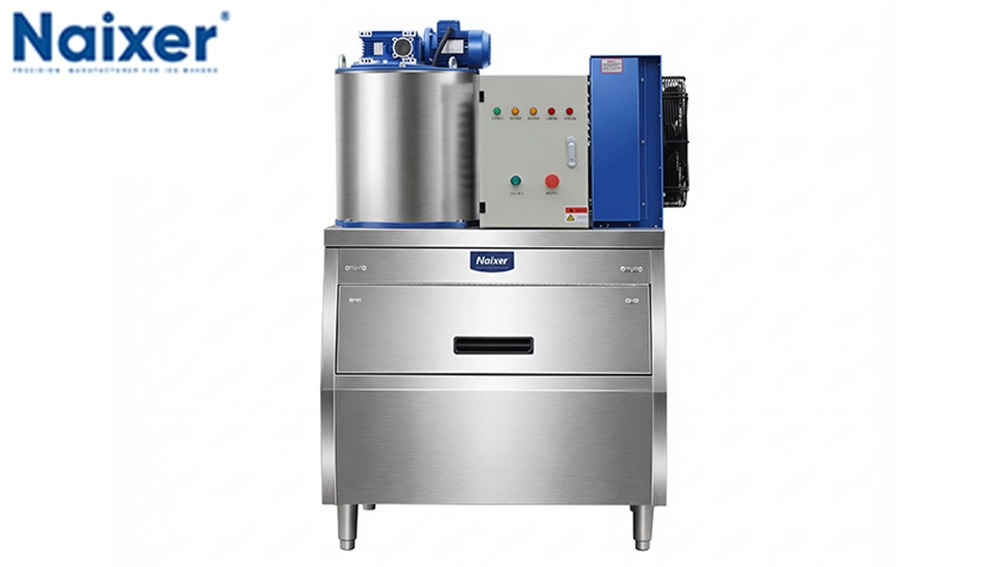
But what is a flake ice machine, how does it operate under the hood, and why do heavy industries choose it over standard cube or nugget ice? This comprehensive guide breaks down the engineering, physical benefits, and commercial applications to help you make an informed investment.
In this guide, you will learn:
1. The Science of Ice Melt — Why Your Iced Coffee Gets Watery

All ice eventually melts, but the speed at which it melts determines whether your iced coffee stays bold or turns into brown water. The key factor is surface‑area‑to‑volume ratio. Imagine a single large cube versus a handful of crushed ice, both weighing the same. The crushed ice has far more surface area exposed to the liquid, so it melts much faster. That rapid dilution throws off the carefully balanced acidity, sweetness, and body of your coffee.
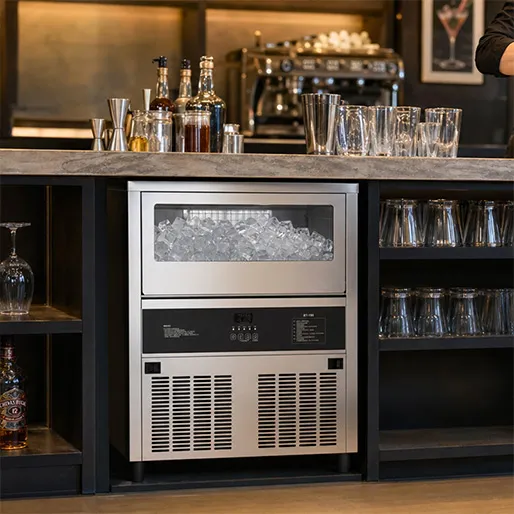
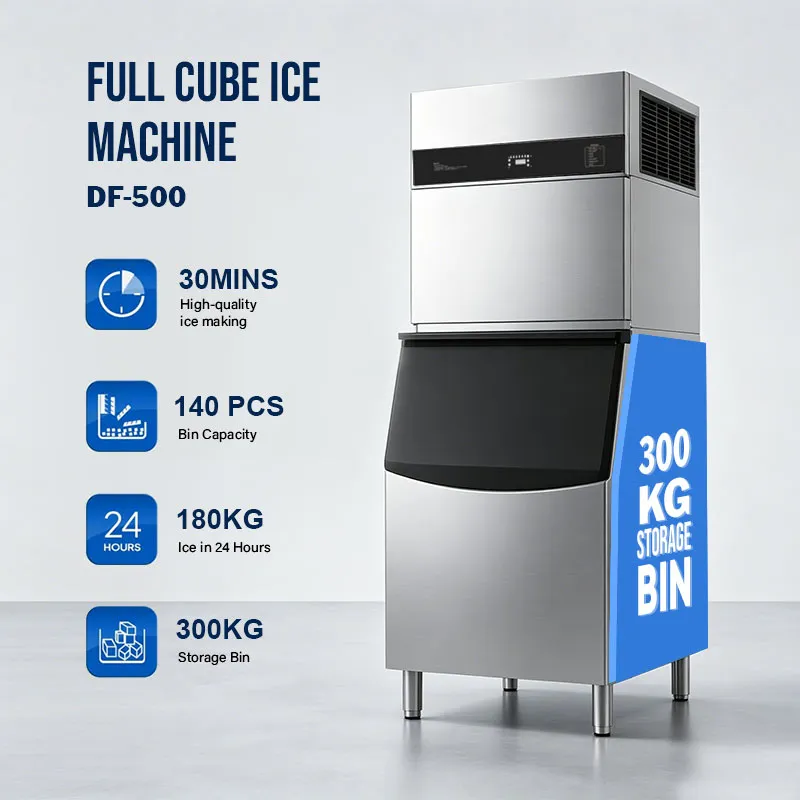
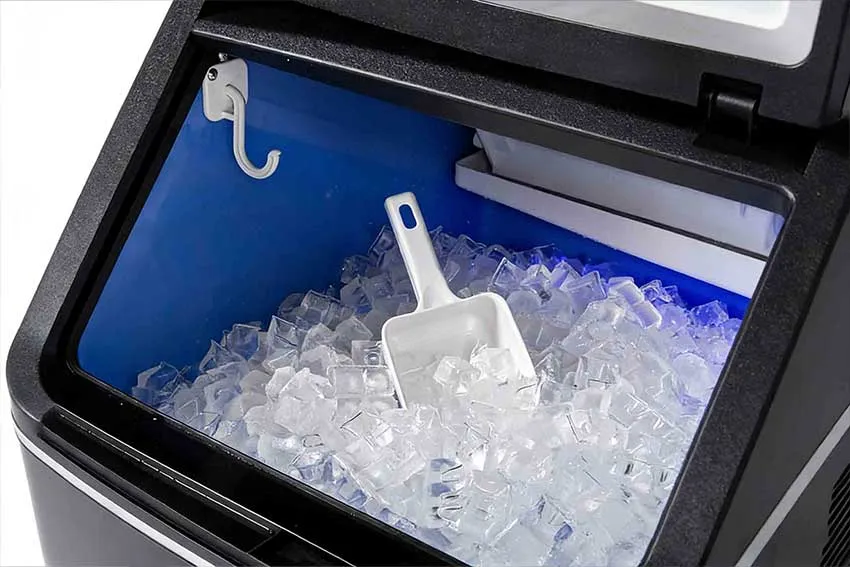
Full cube ice — the standard 22×22×22mm format used in professional bars — minimizes that surface area while maximizing chilling power. It’s dense, clear, and engineered to hold its shape. For a coffee shop, serving every iced latte or cold brew over full cube ice means the drink tastes the same from the first sip to the last.
2. Ranking the Best (and Worst) Ice for Iced Coffee
Not all ice is created equal. Here’s how the most common types stack up when it comes to keeping your iced coffee cold, not watery.

Winner: Large Full Cube Ice
Dense, crystal‑clear, and slow‑melting. A 22×22×22mm cube can keep a 12‑ounce iced coffee cold for 20 minutes or more without noticeable dilution. It’s the professional’s choice, whether you’re a home enthusiast or running a busy café.
Runner‑Up: Ice Spheres
Visually stunning and even slower to melt than cubes due to the minimal surface area of a sphere. However, making enough spheres for a coffee shop’s daily output is impractical, so spheres are best reserved for special drinks or home use.
Good for Cafes: Crescent Ice
The half‑moon shape resists clumping and pours smoothly from dispensers, making it a favorite for hotel and self‑serve stations. It melts a bit faster than full cube ice, but it’s still a solid choice for high‑volume iced coffee programs where ease of use matters.
Avoid: Nugget and Crushed Ice
Nugget ice (the soft, chewable “Sonic ice”) and crushed ice melt extremely fast. They’re wonderful for frozen cocktails and blended drinks, but they’ll turn an iced coffee into a watery mess within minutes. If your shop serves both coffee and blended drinks, consider running two machines — one for full cube and one for nugget.
Special Mention: Coffee Ice Cubes
A zero‑dilution hack: freeze leftover brewed coffee into cubes. When those cubes melt, they release more coffee instead of water. It’s a brilliant trick for home, but difficult to scale in a commercial setting.
3. Choosing the Right Ice Machine for Your Coffee Shop
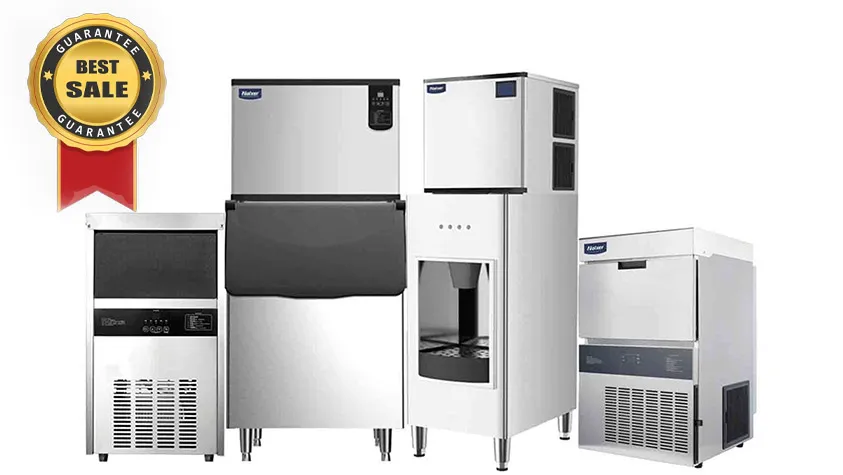
The best ice for iced coffee means nothing if you can’t produce enough of it during the morning rush. Selecting the right ice machine for a coffee shop comes down to ice type, daily output, space constraints, and one factor many first‑time buyers overlook: noise.
Full Cube Ice Machines — The All‑Round Workhorse
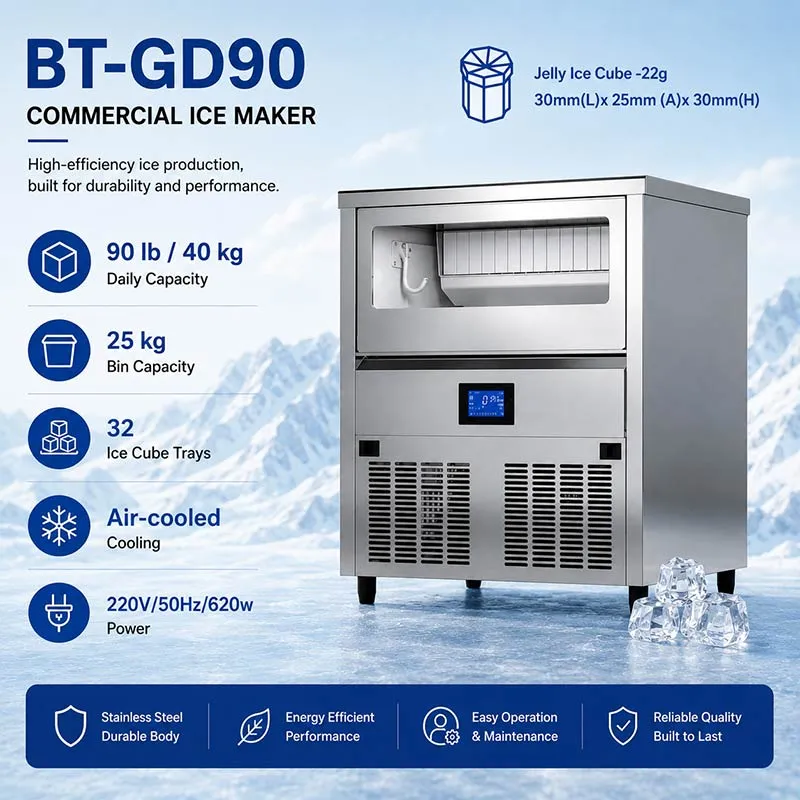
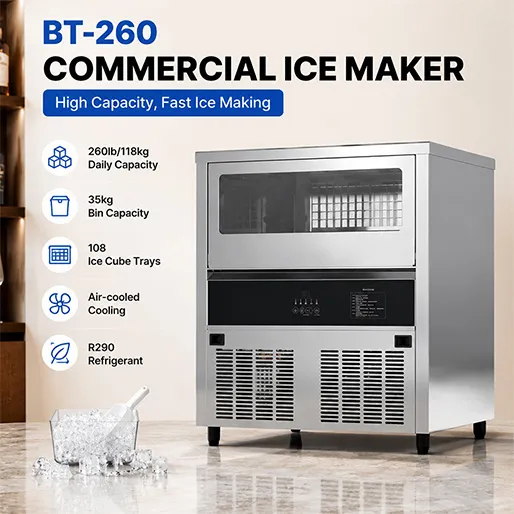
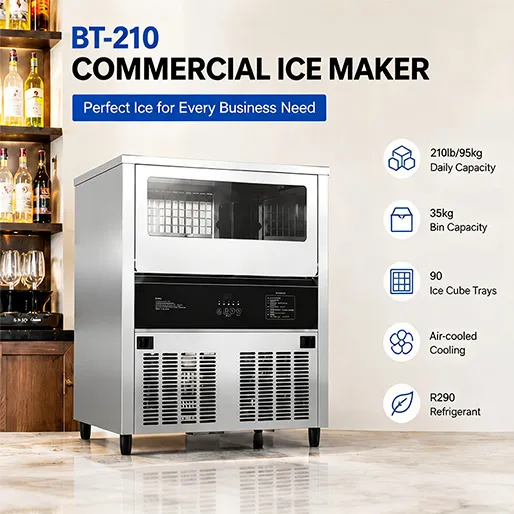
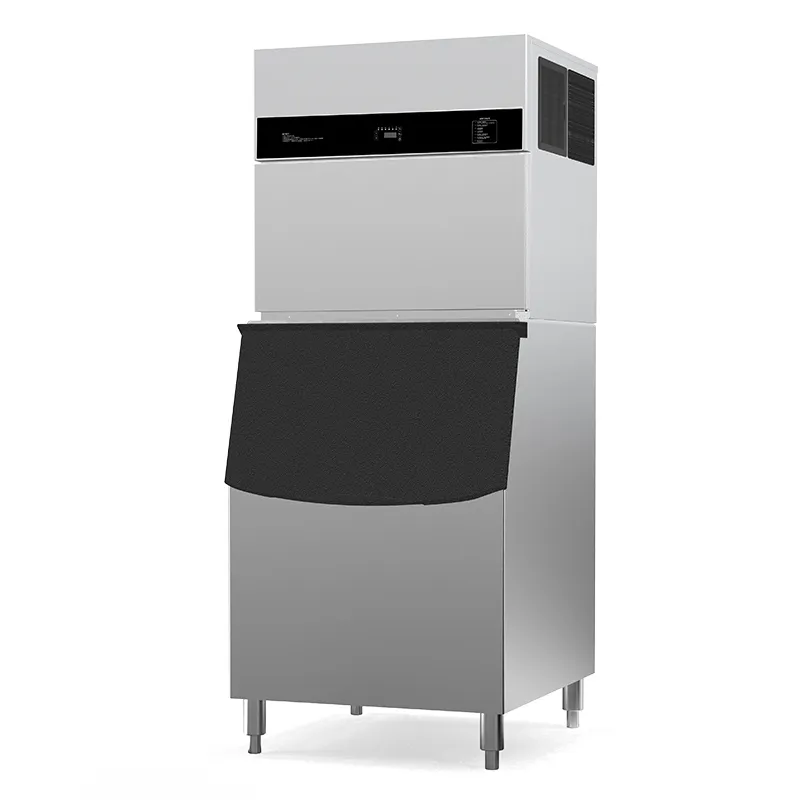
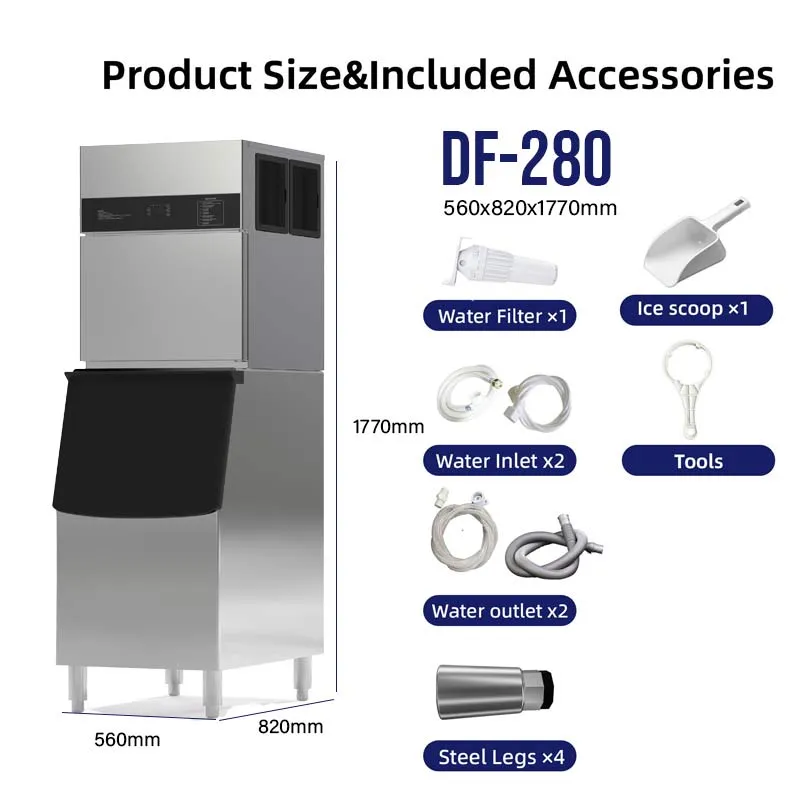
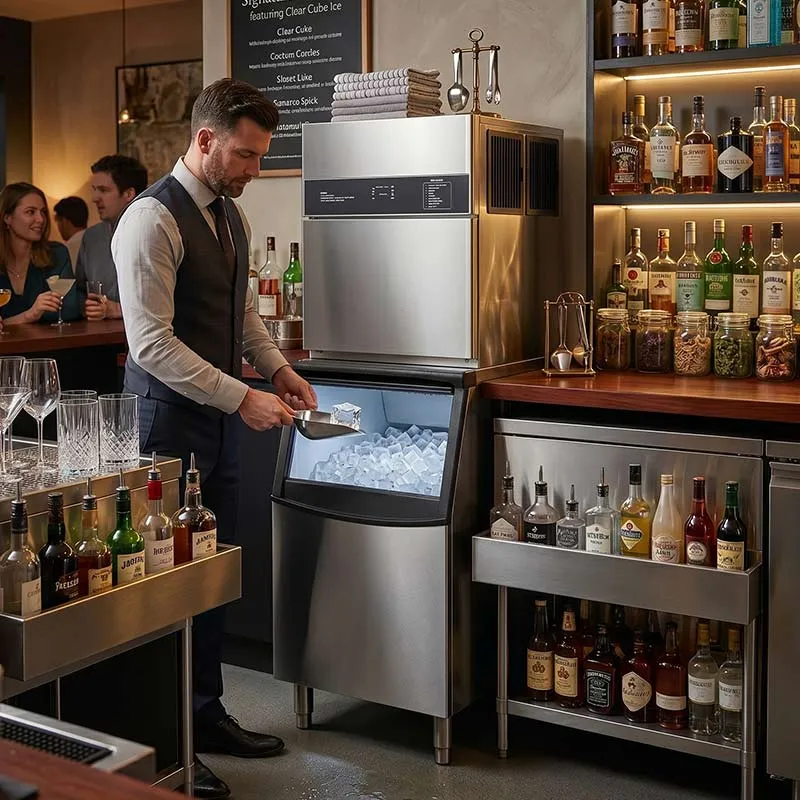
For a café or coffee shop, a self‑contained full cube ice machine is the safest and most versatile investment. Naixer’s TH series produces crystal‑clear 22×22×22mm cubes at volumes that match any operation. The TH‑280B (280–300 lbs/day) fits a small to mid‑size shop, while the TH‑420B (420 lbs/day) keeps up with high‑volume drive‑thrus and busy downtown locations. Both come with a built‑in storage bin, which eliminates the $800–$2,000 hidden cost of purchasing a separate bin — a common surprise with modular systems from other brands.
Cylindrical Ice Machines — For a Softer, Chewable Experience
If your coffee program leans playful — think blended frappés, cream‑topped lattes, or specialty iced drinks where the ice itself is part of the texture — a cylindrical ice machine like the TH‑GD140 (140 lbs/day) offers soft, hollow‑centered cylinders that absorb flavors and add a satisfying chew. It’s a great secondary machine for shops that want to offer something different.
Undercounter Ice Machines — Space‑Saving and Silent
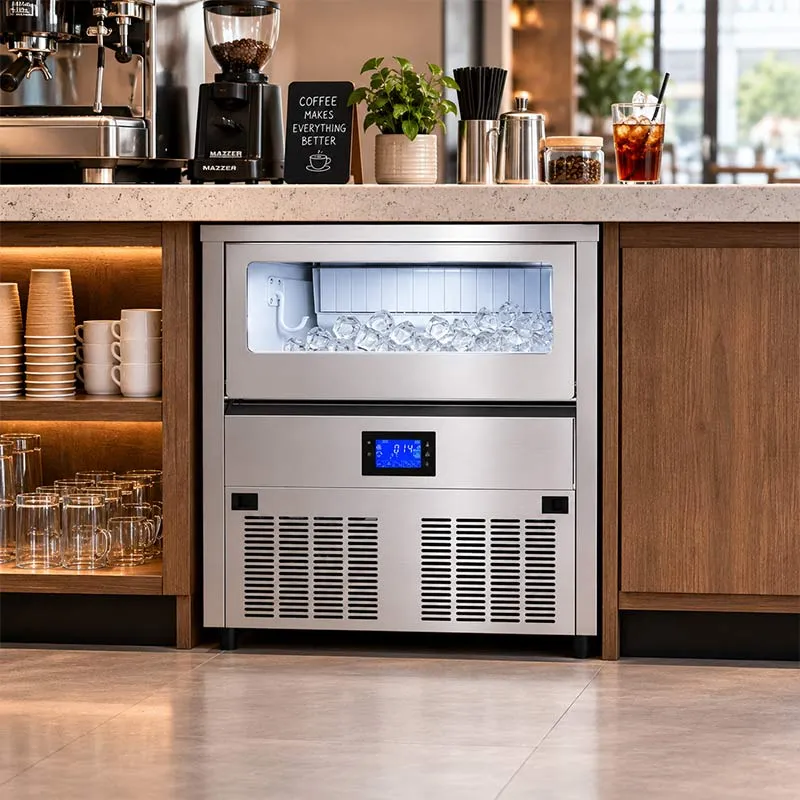
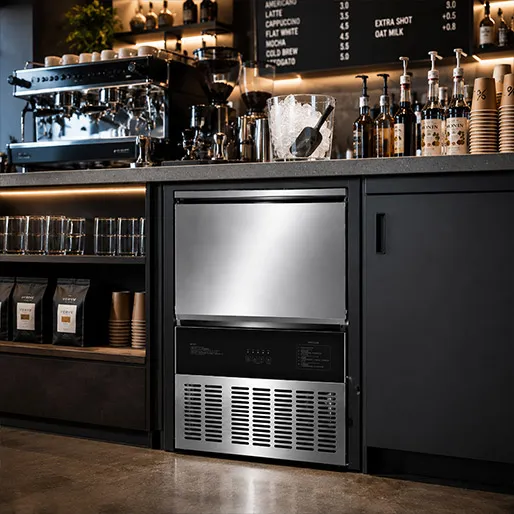
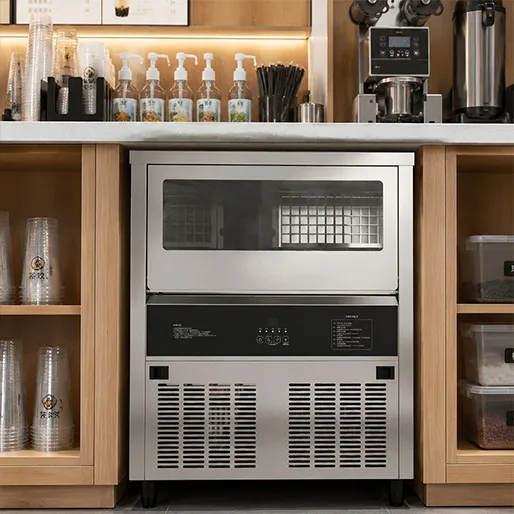
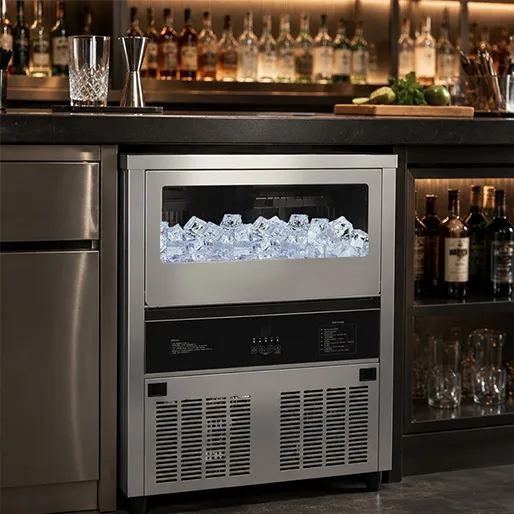
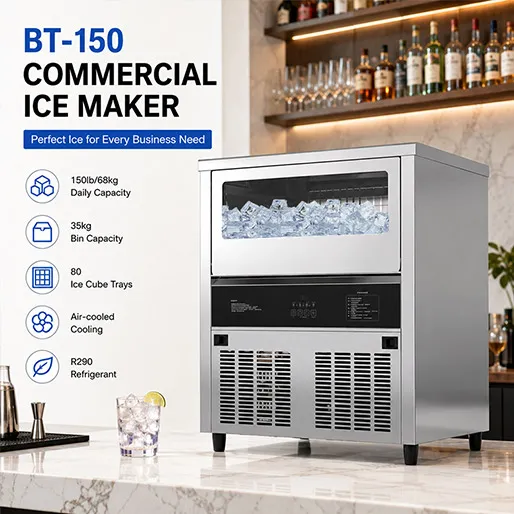
In a cramped coffee bar, every inch of counter and floor space matters. Undercounter models like the TH‑150B (150 lbs/day) and the compact TH‑120B (120 lbs/day) slide neatly under a standard counter while still producing the same full cube ice. They’re designed with front‑vented, air‑cooled systems that run quietly — a critical advantage when your customers are working on laptops three feet away.
Why Quiet Operation Matters
An ice machine that rattles and hums behind the counter doesn’t just annoy baristas; it ruins the café atmosphere. Naixer’s commercial ice makers use low‑vibration compressors and optimized airflow paths to keep noise to a minimum. Combined with the solid SUS304 stainless steel construction, the result is a machine that works hard without announcing itself. And if you ever do hear an unusual noise? Jump to our maintenance tips for quick troubleshooting.
Every Naixer machine is self‑contained, meaning the ice maker and bin are one unit. You don’t pay separately for storage, you don’t need to match a head to a compatible bin, and you’re protected by a 3‑year full machine warranty covering core systems and key components — far beyond the 12‑month coverage typical of budget alternatives. For a deeper look at equipment costs, see our 2026 ice machine price guide.
4. Pro Tips to Keep Your Coffee Ice Perfect (and Your Machine Quiet)
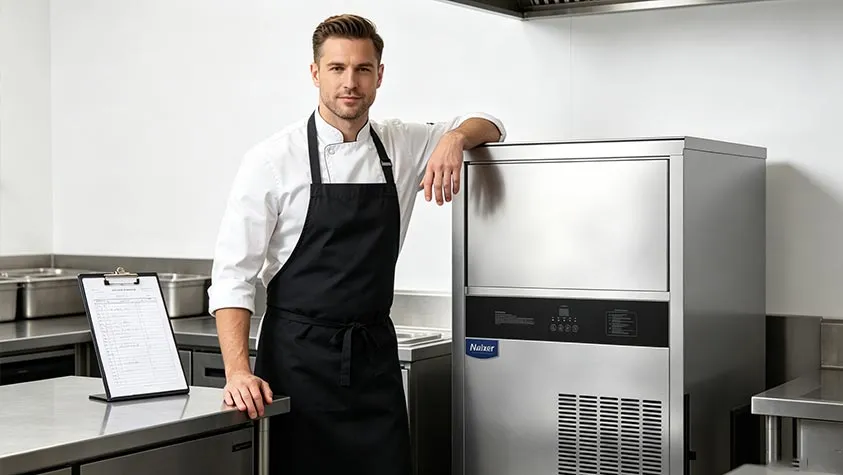
Pre‑Chill Your Coffee
The quickest way to water down an iced coffee is to pour hot or room‑temperature coffee over ice. Chill your brewed coffee or cold brew concentrate in the refrigerator first, then add ice. The ice only needs to maintain the cold, not create it from scratch, which dramatically reduces melting.
Use the Right Ice‑to‑Coffee Ratio
Fill the glass completely with ice before adding coffee. It seems obvious, but many people add coffee first and then a few cubes on top. A full glass of ice chills the coffee instantly and melts more slowly as a group.
Troubleshoot Noise Issues — “Why is my ice maker making noise?”
If your coffee shop’s ice machine suddenly sounds louder than usual, don’t ignore it. Common causes include:
Ice clumping around the fan or evaporator plate — usually a sign that the machine needs descaling.
Dust buildup on the condenser fins — restricts airflow and makes the compressor work harder.
Uneven installation — a machine that’s not level can vibrate excessively.
Most of these issues resolve with regular maintenance: clean the condenser every quarter, descale with a nickel‑safe ice machine cleaner, and check that the adjustable feet are firmly on the floor. If the noise persists, it could indicate a failing compressor or motor — components covered by Naixer’s 3‑year warranty. Addressing noises early prevents a minor annoyance from becoming a major repair bill.
5. Why Naixer Ice Machines Are the Barista's Choice

Naixer builds ice machines for businesses that can’t afford downtime. Every unit — from the compact TH‑120B to the high‑output TH‑420B — comes out of a 30,000 m² ISO9001‑certified smart factory staffed by 200+ technicians and backed by 300+ technical patents. The entire water‑to‑ice path is SUS304 food‑grade stainless steel, so your ice stays clean, clear, and flavor‑neutral — exactly what specialty coffee demands.
The self‑contained design means there’s no separate bin to buy (saving $800–$2,000), no compatibility matching, and no complicated installation. Air‑cooled models consume zero condenser water, keeping utility costs predictable. And every machine carries a 3‑year full warranty — a clear statement of confidence in the engineering.
More than 5,000 commercial clients across 100+ countries trust Naixer, including global chains like KFC and Luckin Coffee. For the independent coffee shop down the street, that same manufacturing quality translates into reliable ice, quiet operation, and one less thing to worry about during the morning rush.
Explore Naixer Ice Machines for Coffee Shops | Request a Custom Quote
6. Frequently Asked Questions
Q: What is the absolute best ice for iced coffee?
A: Large, crystal‑clear full cube ice (22×22×22mm). It melts the slowest, keeps your coffee cold and concentrated, and looks professional in any glass. For coffee shops, a self‑contained full cube ice machine like the Naixer TH series is the most practical solution.
Q: Can I use nugget ice for iced coffee?
A: It’s not recommended. Nugget ice melts extremely fast and will water down your coffee within minutes. Nugget ice is better suited for blended drinks and soft drinks where you want the ice to absorb flavors quickly.
Q: How do I keep my coffee shop’s ice machine from making noise?
A: Regular maintenance is key. Clean the condenser fins quarterly, descale the water system with a nickel‑safe cleaner monthly, and make sure the machine is level on all feet. If a new or unusual noise appears, it could be ice buildup around the fan or a sign of compressor wear — check our cleaning guide for step‑by‑step instructions.
Q: What size ice machine does a small coffee shop need?
A: Estimate about 1.5–2 lbs of ice per customer per day. A shop serving 100 customers daily needs roughly 150–200 lbs of ice. An undercounter model like the Naixer TH‑150B (150 lbs/day) or a compact full cube machine like the TH‑280B (280 lbs/day) with built‑in bin is a great fit.