Best Commercial Ice Machine of 2026: The Ultimate Buyer’s Guide
Best Commercial Ice Machine of 2026: The Ultimate Buyer's Guide
As a restaurant owner, bar manager, or hotel procurement specialist in 2026, your operation’s efficiency hinges on reliable equipment. Few pieces are as critical—and as often overlooked—as your commercial ice machine. The right ice maker ensures customer satisfaction, streamlines service during peak hours, and controls operational costs. The wrong choice leads to meltdowns, both literal and figurative.
With evolving technology and new efficiency standards, choosing the best commercial ice machine requires an up-to-date guide. This article cuts through the noise. We’ve analyzed performance data, durability tests, and real-world feedback to bring you a comprehensive review of the top commercial ice makers of 2026, with a detailed look at leading models from industry innovator Naixer.
Quick Comparison: Our Top 3 Picks for 2026
Rank
Model
Best For
Ice Type
Daily Production
Key Advantage
#1
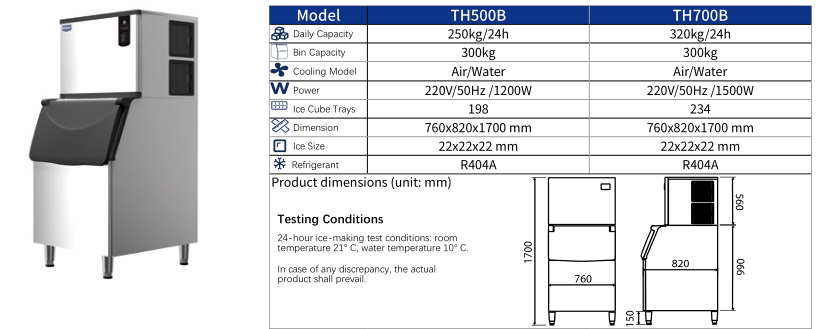
Naixer TH500B
Mid-size Restaurants & Chains
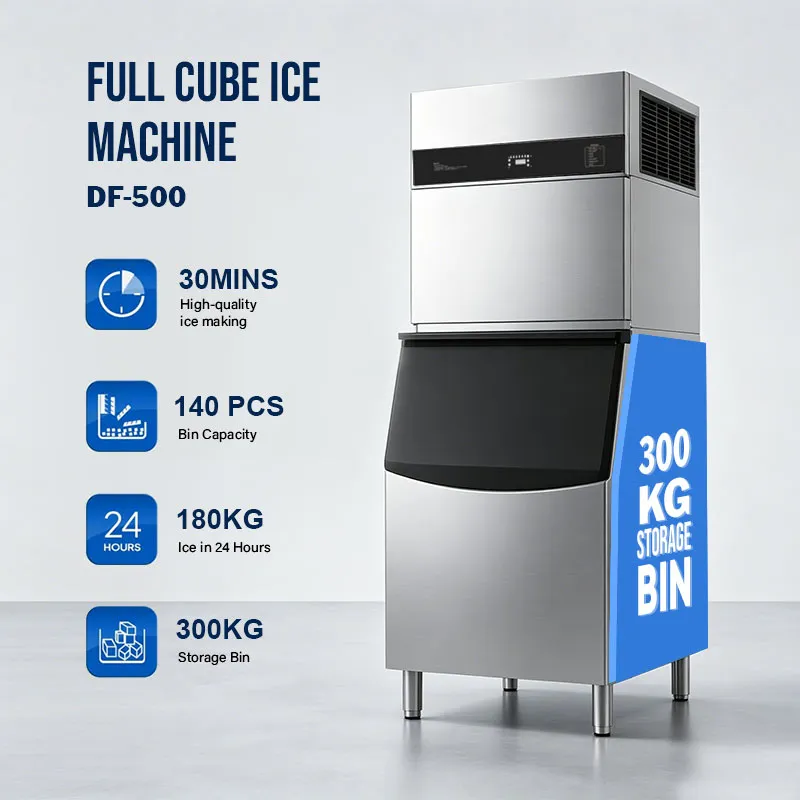
Full Cube
225 kg / 495 lbs
Optimal balance of efficiency, output & cost.
#2
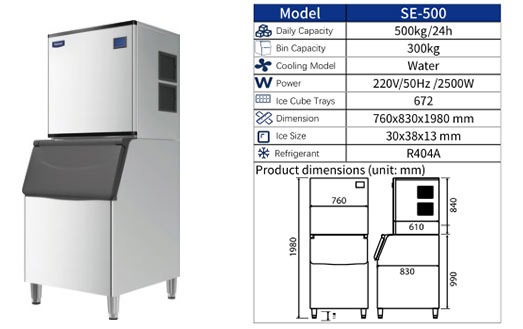
Naixer SE-500
High-end Bars & Hotels
Crescent Ice
500 kg / 1100 lbs
Premium slow-melt ice for crafted drinks.
#3
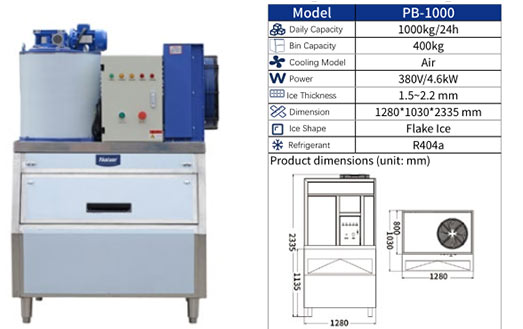
Naixer PB-1000
Large-Scale Foodservice & Healthcare
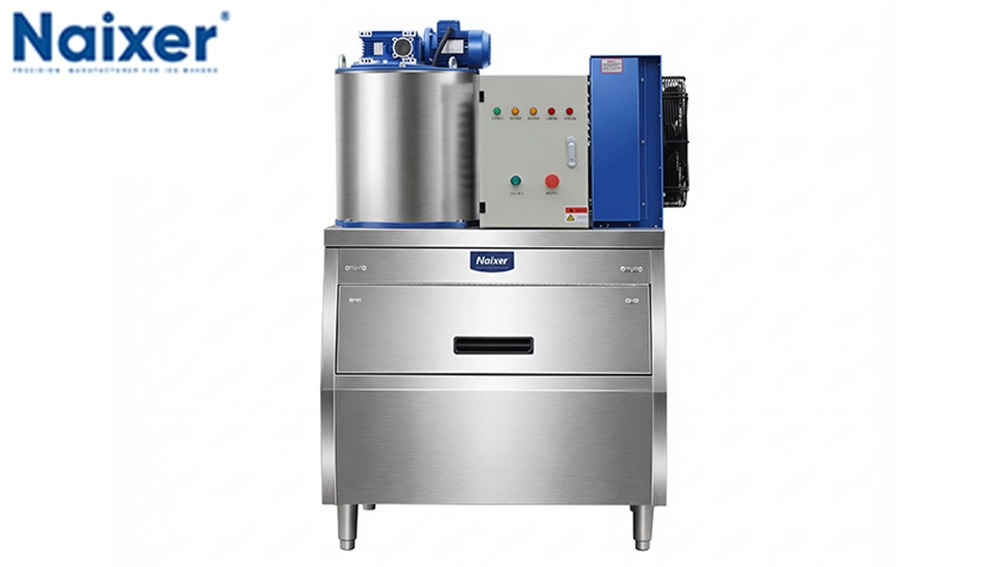
Flake Ice
1000 kg / 2200 lbs
Massive output for diverse applications.
How We Selected and Tested
Our recommendations are based on a rigorous 2026 evaluation framework. We consider:
Performance & Reliability: Consistent ice production under simulated high-demand cycles.
Energy & Water Efficiency: Operating cost analysis aligned with new global environmental standards.
Build Quality & Durability: Assessment of materials (e.g., 304 stainless steel), compressor quality, and design longevity.
Ease of Maintenance: Accessibility for cleaning and service.
Certifications: Priority given to machines with CE, ISO9001, and other relevant international certifications.
Expert & User Feedback: Insights from commercial kitchen managers and service technicians.
5 Key Factors to Consider Before Buying
1. Ice Type: It’s Not All the Same
The shape and hardness of ice directly impact drink presentation, dilution rate, and application.
Full Cube (22x22x22 mm): The versatile workhorse. Melts moderately, perfect for soft drinks, water, and casual dining.
Crescent Ice: The bartender’s choice. Slow-melting and shape-designed to blend smoothly in cocktails and premium spirits without rapid dilution.
Flake Ice: The multi-tasker. Fast-melting, moldable ice ideal for food displays (seafood, salad bars), smoothies, and therapeutic applications in healthcare.
Nugget Ice (Chewable Ice): The favorite for chewability. Cools drinks quickly and is popular in hospitals, convenience stores, and fast-casual restaurants.
Octagonal Cylindrical Ice: The slow-melt specialist. Excellent for take-out coffee and high-end beverages where maintaining strength is key.
2. Space, Placement, and Installation
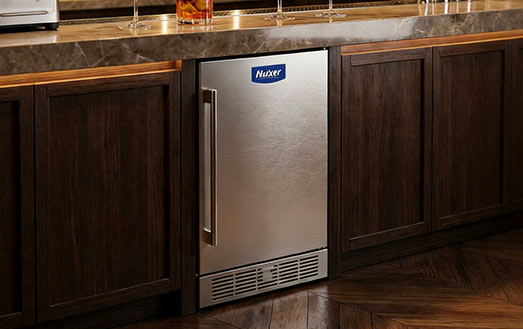
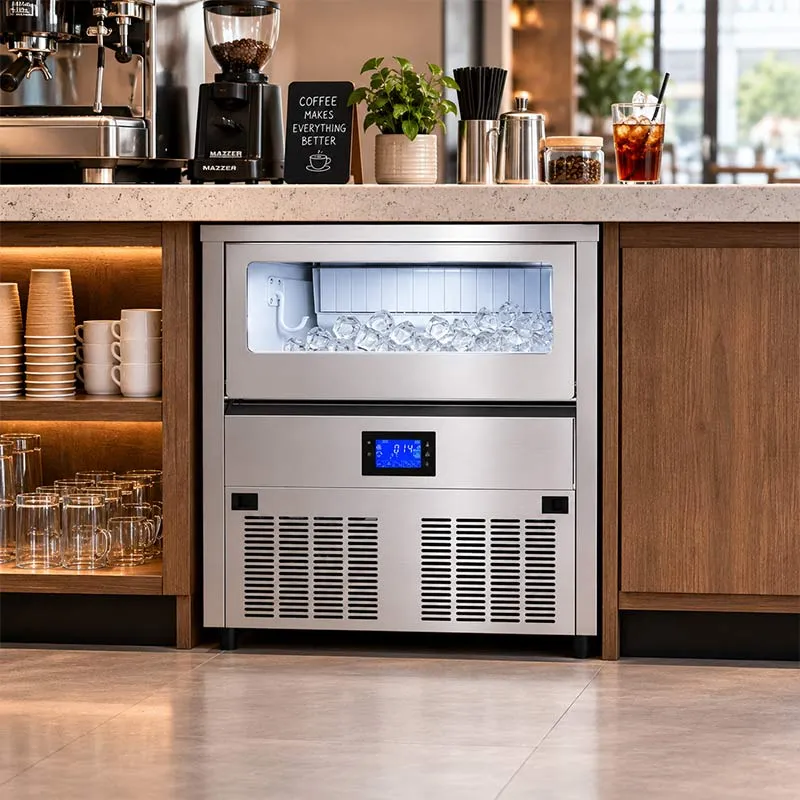
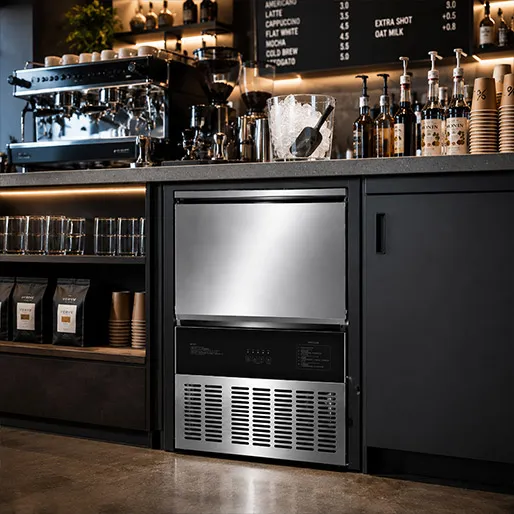
Undercounter Ice Machines: Save valuable floor space by integrating into cabinetry. Ideal for bars with limited space.
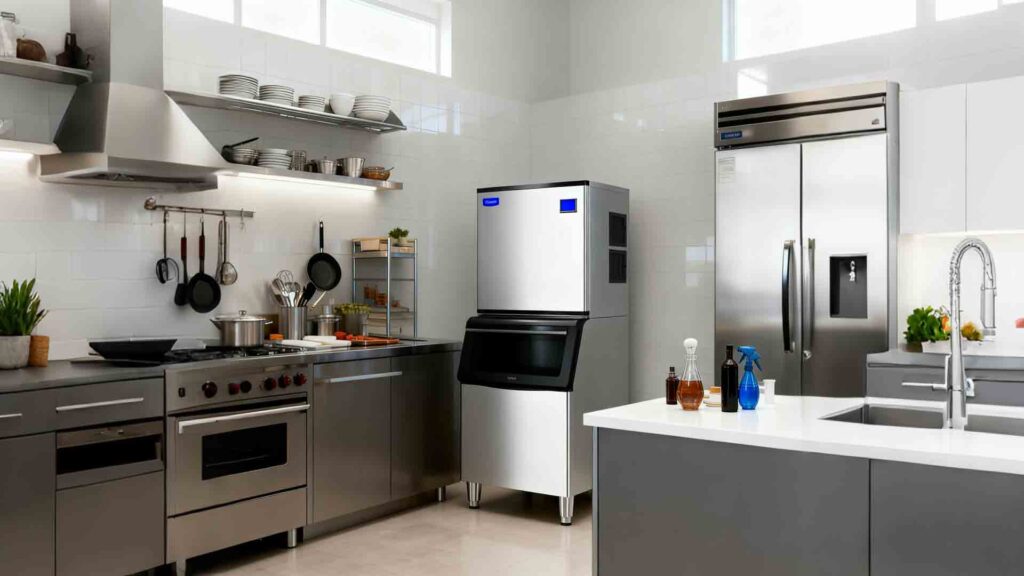
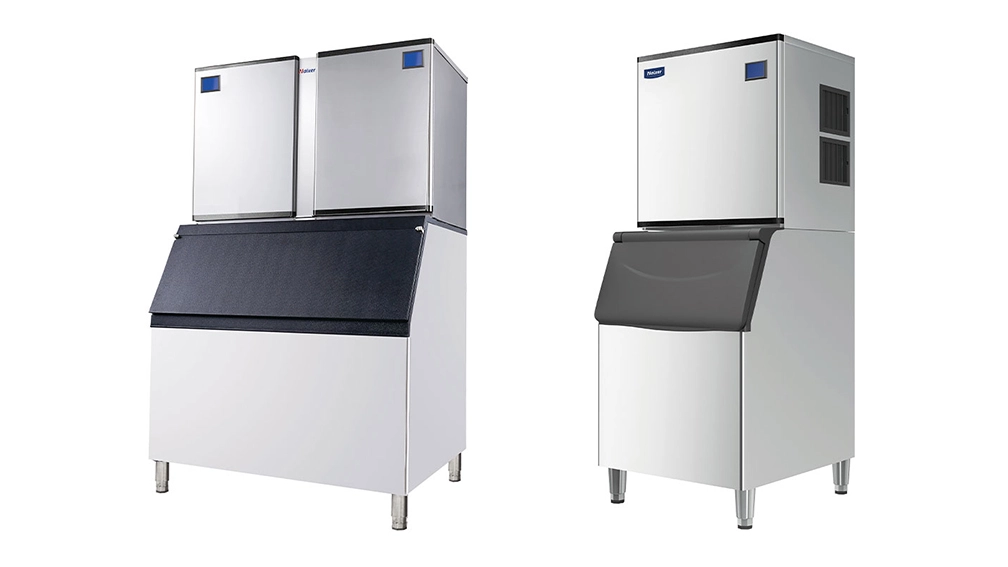
Freestanding/Modular Units: Offer higher production capacity and separate storage bins. Require more floor space and proper clearance for ventilation.
3. Energy Efficiency & Operating Costs
In 2026, efficiency is non-negotiable. Look for:
Advanced Refrigerants: Eco-friendly options like R290.
Quality Components: Efficient compressors and well-insulated cabinets reduce energy draw.
Smart Features: Energy-saving modes during off-peak hours.
4. Maintenance and Total Cost of Ownership
A reliable commercial ice maker machine must be easy to maintain. Prioritize models with:
Removable, cleanable air filters.
Easy-access interior panels for descaling.
Available service networks or clear part diagrams.
Detailed Reviews: Top Commercial Ice Machines of 2026
Maximize every inch of space without sacrificing reliable ice production.
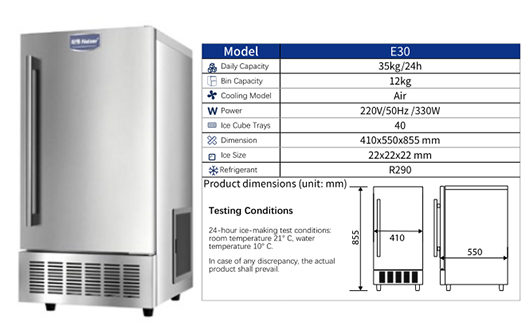
Key Specs: 35 kg/day output, compact 410x550x855 mm footprint.
Pros: Perfect space-saving solution; simple plug-and-play setup for many environments; cost-effective.
Cons: Lower daily production capacity; smaller storage bin.
Ideal For: Small cafes, coffee shops, office pantries, and supplemental bar stations.
Side-by-Side Comparison Chart
Model
Daily Capacity
Ice Type
Power
Dimensions (WxDxH)
Refrigerant
Best For
Naixer TH500B
225 kg
Full Cube
1200W
760x820x1700 mm
R404A
Overall Restaurant Use
Naixer SE-500
500 kg
Crescent Ice
2500W
760x820x1980 mm
R404A
Premium Bars & Hotels
Naixer PB-1000
1000 kg
Flake Ice
4.5kW
1280x1030x2335 mm
R134a
High-Volume & Display
Naixer E30
35 kg
Full Cube
330W
410x550x855 mm
R290
Small Spaces / Undercounter
Naixer TH150B
75 kg
Full Cube
750W
660x690x920 mm
R290
Start-ups & Entry-Level
Professional Installation & Maintenance Tips
Installation: Always follow manufacturer guidelines. Ensure adequate ventilation space (typically 6 inches minimum on sides and back), a dedicated water line with proper pressure, a floor drain, and the correct voltage electrical connection.
Routine Maintenance: This is the key to longevity.
Daily: Wipe down the exterior.
Weekly: Clean the air filter and check for any visible issues.
Monthly: Sanitize the ice-making system and water distribution lines to prevent scale and biofilm buildup.
Annually: Schedule a professional inspection of the condenser and mechanical components.
Frequently Asked Questions (FAQ)
Q1: What size commercial ice machine do I need for a 100-seat restaurant? A: For a full-service 100-seat restaurant, plan for approximately 300-450 kg (660-990 lbs) of ice per day. Models like the Naixer TH500B or TH700B would be excellent starting points to evaluate.
Q2: How long should a commercial ice machine last? A: With proper installation, regular maintenance, and water filtration, a high-quality commercial ice machine from a reputable brand like Naixer can last 10 to 15 years.
Q3: Are air-cooled or water-cooled ice machines better? A: Air-cooled units (like all Naixer models listed) are more common, easier to install, and use less water, making them suitable for most kitchens. Water-cooled models are more efficient in very hot environments but have higher water consumption and operational complexity.
Q4: Can I get a customized ice machine for my specific needs? A: Yes. Leading manufacturers like Naixer offer OEM/ODM services. You can customize aspects like branding, specific capacity requirements, or unique configurations to match your kitchen layout.
Paeson
Welcome to Guangzhou Naixer Refrigeration Equipment Company Limited! Since 2010, we have been focused on commercial ice machine solutions, helping ice machine distributors and food service professionals worldwide deliver higher-quality ice machines. Our products include commercial ice makers, built in ice makers, ice and water dispensers, and automatic ice vending machines – each designed for maximum profitability. With over 3,000 successful operators in more than 130 countries worldwide, we provide proven strategies, real return on investment data, and expert guidance to help you build a thriving ice making business. Ready to start your passive income journey? 🧊