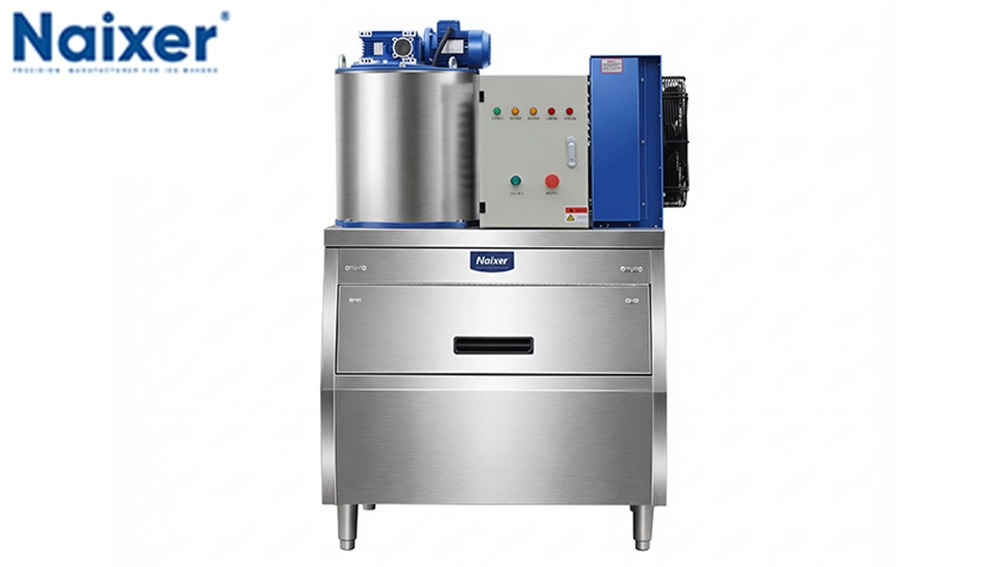
How Do Professional Bars Make Clear Ice? The 2026 Commercial Bar Guide
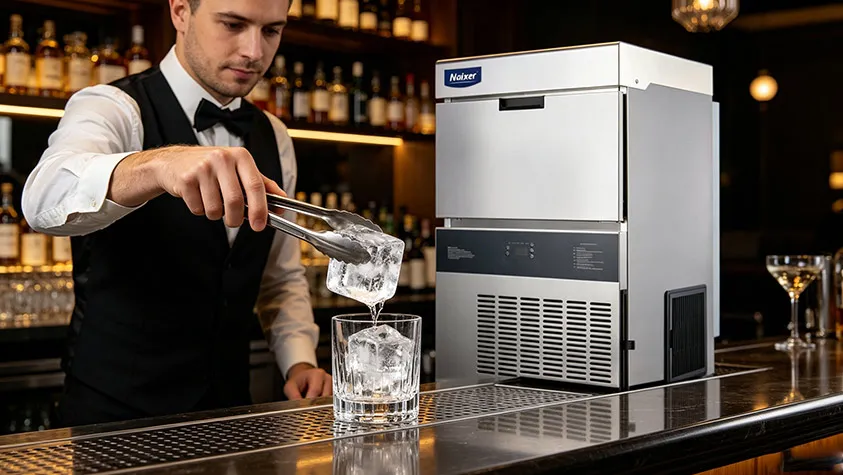
A bartender spends two days freezing a block of ice in a cooler. He cuts it, chisels it, and gets six perfect, crystal-clear cubes. On Friday night, those cubes are gone in an hour. For the rest of the shift, he’s scooping cloudy ice from a bin—watching $20 pours of whiskey drown in fast-melting chips. The guests don’t complain. They just order a beer next time.
This is the clear ice trap: the manual method works, but it doesn’t scale. It’s perfect for a home bar and a disaster for a real one.
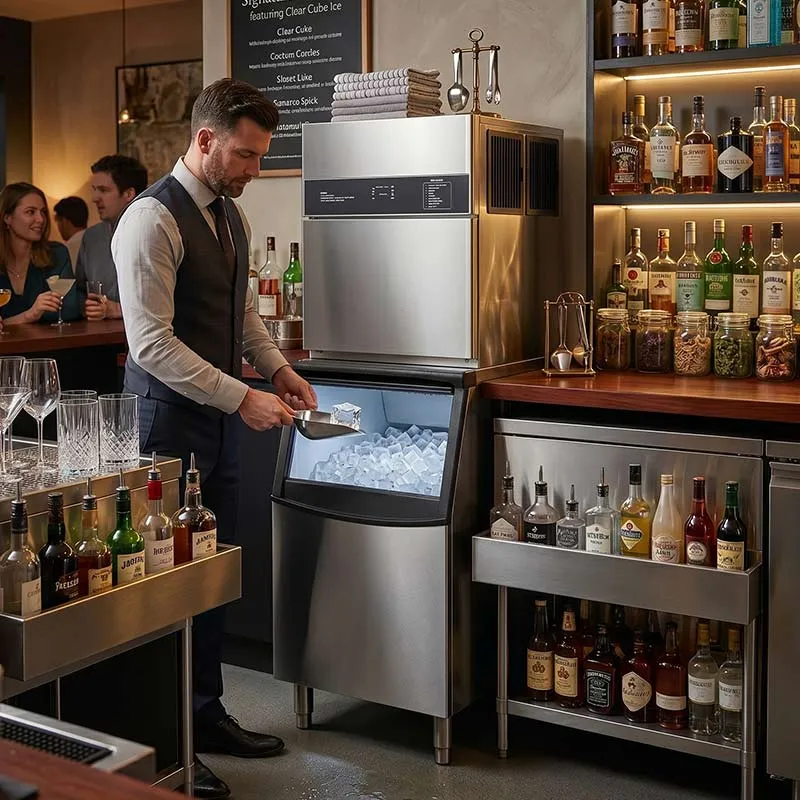
Professional bars solve this problem the way they solve every other operational bottleneck: with purpose-built equipment. They use commercial clear ice machines that produce crystal-clear, slow-melting ice on demand—no chiseling, no waiting, no running out during a rush. It’s not magic. It’s engineering. And this guide will explain exactly how it works, and how to choose the right machine for your bar.
In this guide, you will learn:
Why Clear Ice Matters: The Business Case
Most people assume clear ice is an aesthetic choice. Bartenders know better. The clarity of the ice directly affects the taste, temperature, and profitability of every drink that leaves the bar.
Clear ice melts slower. Cloudy ice is full of microscopic air bubbles and tiny cracks. These imperfections act like fault lines, transferring heat into the ice and causing it to fracture and melt faster. Clear ice is dense and solid throughout, with no trapped air. Its melt rate is significantly lower, which means a whiskey served on a clear cube stays cold and undiluted for 20 to 30 minutes instead of becoming watery in 10. That protects the integrity of a $30 pour.
Clear ice elevates presentation. A guest who watches a bartender tong a single, crystal-clear cube into their glass perceives value. This isn’t a drink thrown together—it’s a crafted experience. That perception justifies premium pricing and builds the kind of reputation that keeps a bar’s top shelf busy.
Clear ice is pure. Tap water contains minerals, chlorine, and dissolved gases that become trapped in cloudy ice. As that ice melts, those impurities release into the drink, subtly altering the flavor of a carefully balanced cocktail. Clear ice is made from water that has been continuously circulated and degassed during the freezing process, so it contributes nothing but cold. For a full breakdown of the best ice types for different drinks, see our guide on what type of ice is best for a bar.
The Old Way: Manual Directional Freezing
Before there were machines, there were coolers. The manual directional freezing method is simple: fill an insulated cooler with water, place it in a freezer with the lid off, and let it freeze from the top down. Because ice forms on the surface first and grows downward, air bubbles and impurities are pushed to the bottom. The top portion freezes perfectly clear. The bottom portion becomes a cloudy, cracked mess that gets cut off and thrown away.
This method produces beautiful ice. It also produces very little of it. A full cooler takes 24 to 48 hours to freeze completely. After cutting away the cloudy portion, you’re left with maybe half the block—enough for four to six large cubes. On a busy Friday night, a cocktail bar can go through 50 or more large-format drinks. Do the math. One cooler cannot keep up.
Manual freezing is a great way to understand the physics of clear ice. It’s a terrible way to run a bar. For any venue doing more than a handful of whiskey pours a night, the only scalable solution is a machine.
The Professional Way: How Commercial Clear Ice Machines Work
Commercial clear ice machines don’t just freeze water—they engineer ice. The process is fundamentally different from the batch-freeze method used in standard cube makers.
In a standard cube ice machine, water is sprayed or flowed over a cold evaporator plate and freezes rapidly in all directions. Air and minerals get trapped in the center, creating the cloudy core you see in most commercial ice.
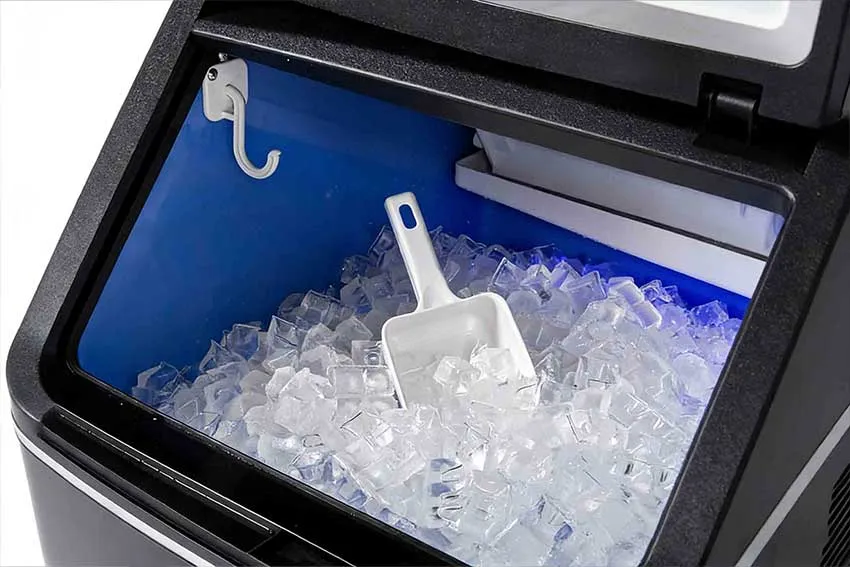
A clear ice machine uses a different approach. Water is circulated continuously over a refrigerated surface, freezing in thin, slow layers from one direction. This directional freezing, combined with the constant movement of water, prevents air bubbles from nucleating and washes impurities away before they can become trapped. The result is ice that is crystal clear, extremely dense, and structurally uniform.
This process takes longer per batch—20 to 40 minutes is typical—but each batch yields perfect ice. And because the machine runs continuously, it can produce 90 to 500 pounds of clear ice per day, depending on the model. That’s the difference between rationing cubes and never thinking about ice supply again.
Naixer offers two primary categories of commercial clear ice makers, each suited to a different style of bar:
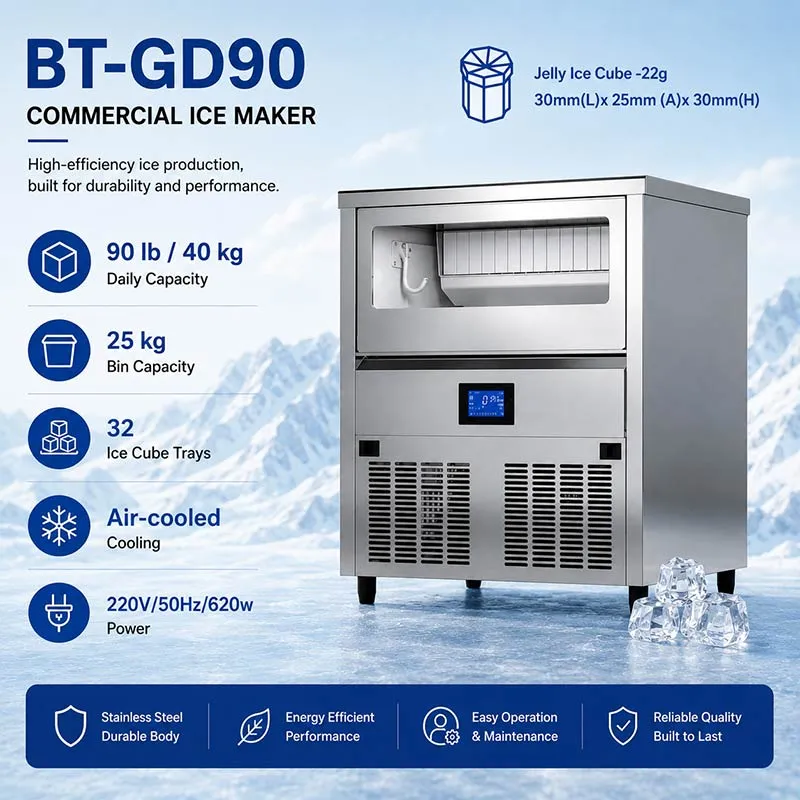
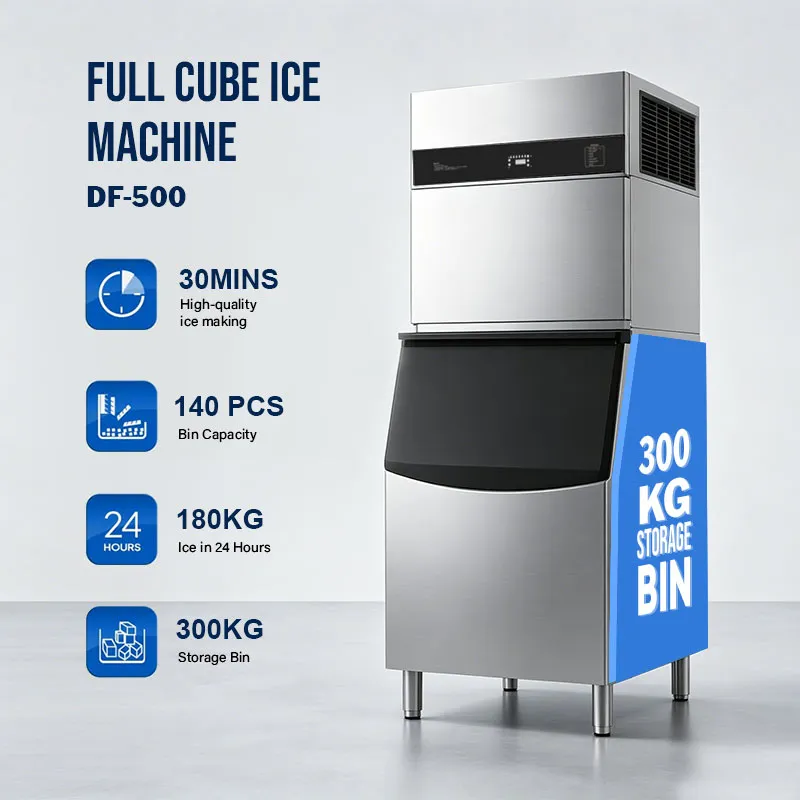
Large cube / Gourmet ice machines produce solid, square cubes typically 28mm to 50mm. These are the standard for whiskey on the rocks and spirit-forward cocktails. Naixer’s TH-DF Series, for example, produces large-format cubes in sizes like 28×28×32mm and 50×50×50mm.
Crescent ice machines produce half-moon shaped clear ice with a curved groove. The shape cools hot liquids like espresso rapidly without shattering, and the solid structure melts slowly. This makes crescent ice a favorite in bars that also serve iced coffee, or for cocktail bars that value splash-resistant pouring. Naixer’s TH-SE Series is built for this application.
Which Clear Ice Solution Fits Your Bar?
| Approach | Daily Clear Ice Output | Batch Time | Best For | Naixer Match |
|---|---|---|---|---|
| Manual Directional Freezing | 4–8 large cubes per 2 days | 24–48 hours | Micro bars serving fewer than 10 spirit pours a night | — |
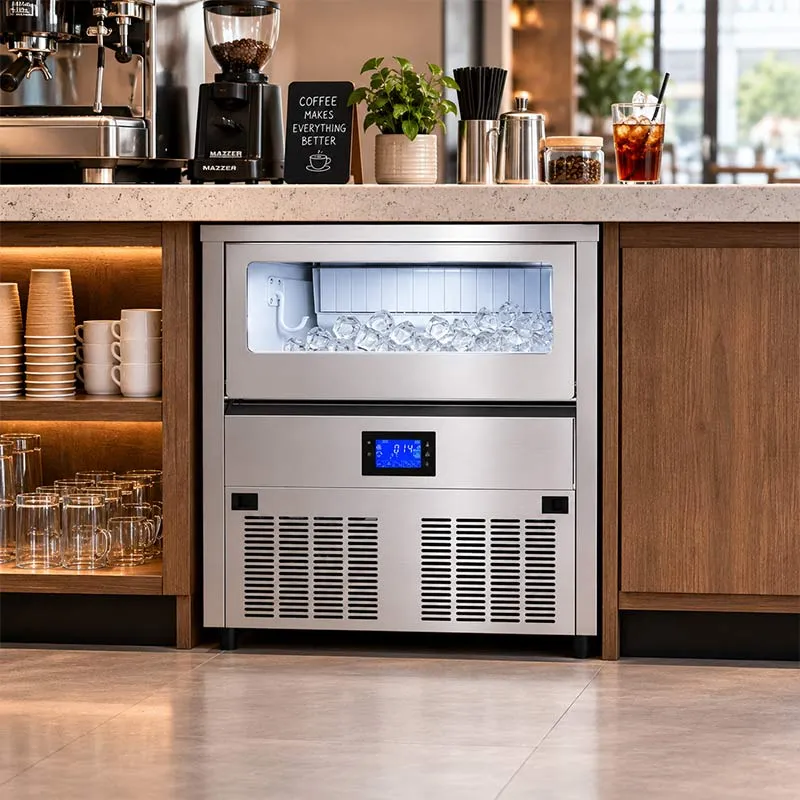
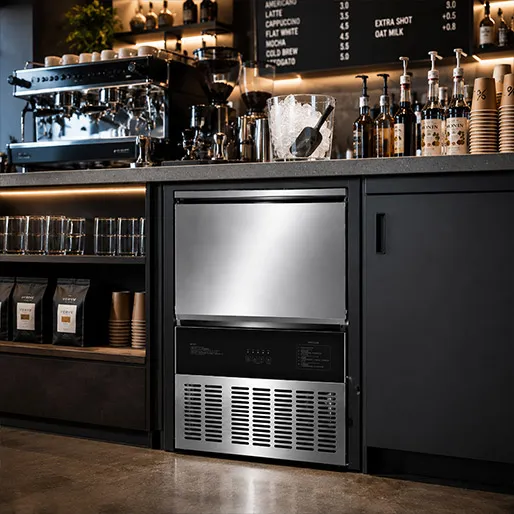
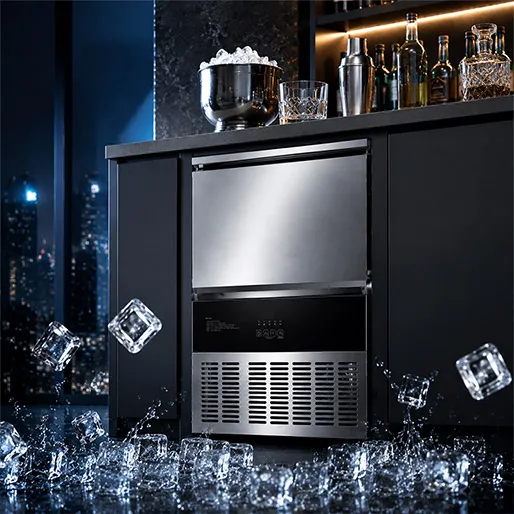
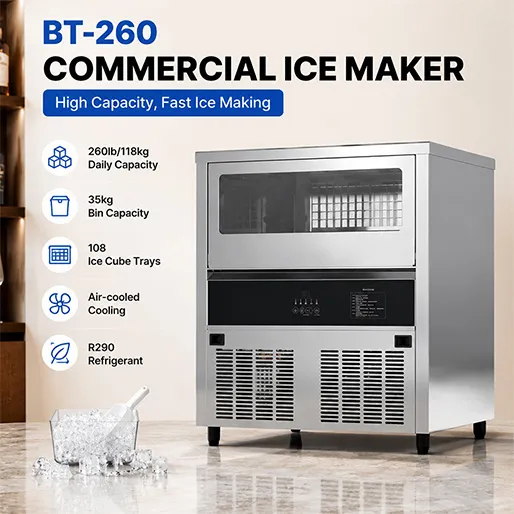
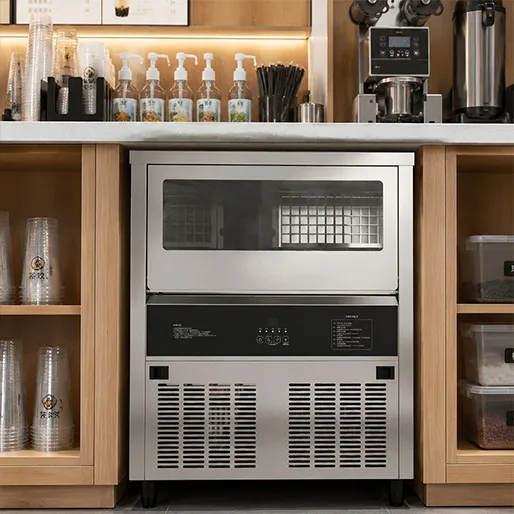
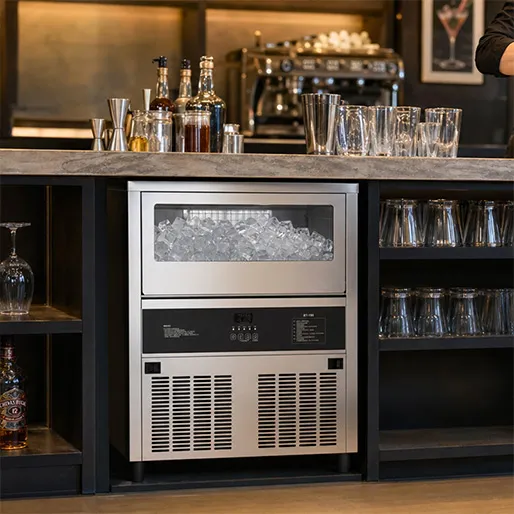
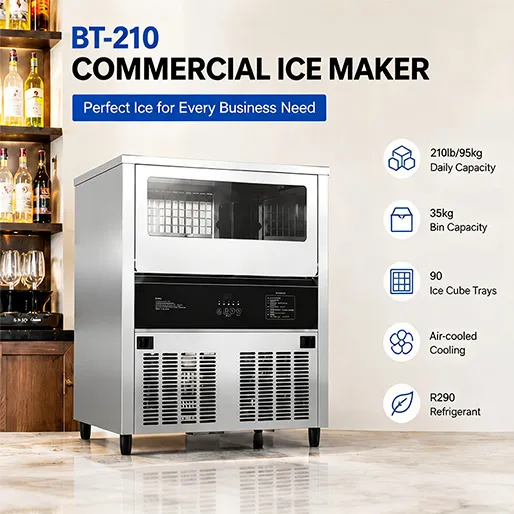
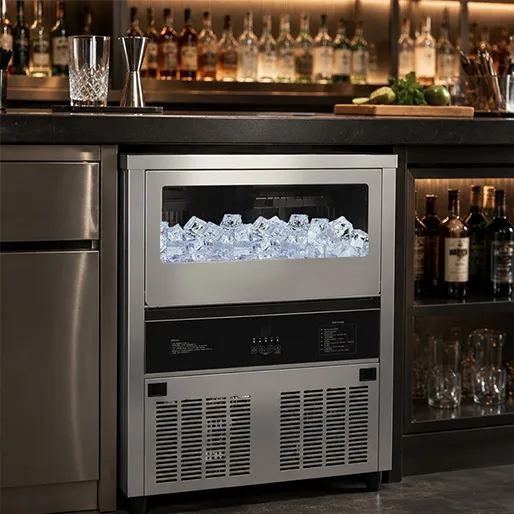
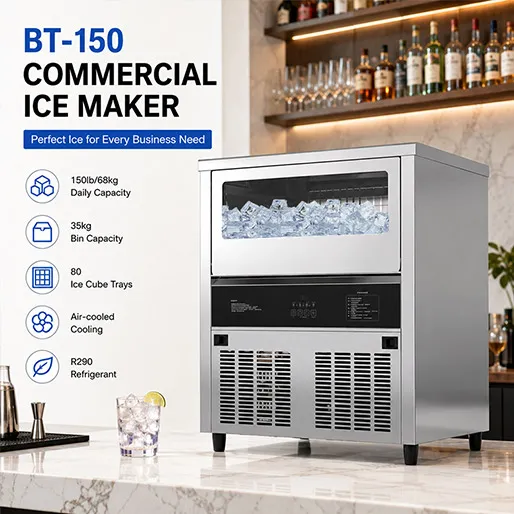
| Commercial Undercounter Gourmet | 90–130 lbs | 20–40 min | Craft cocktail bars with 20–60 whiskey pours per shift | TH-DF90 / TH-DF130 |
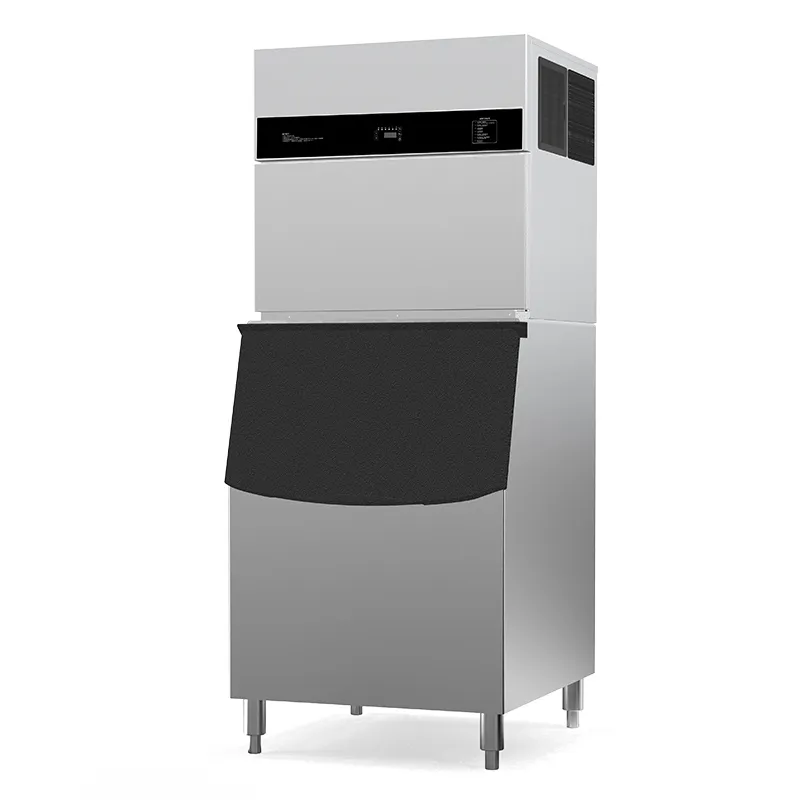
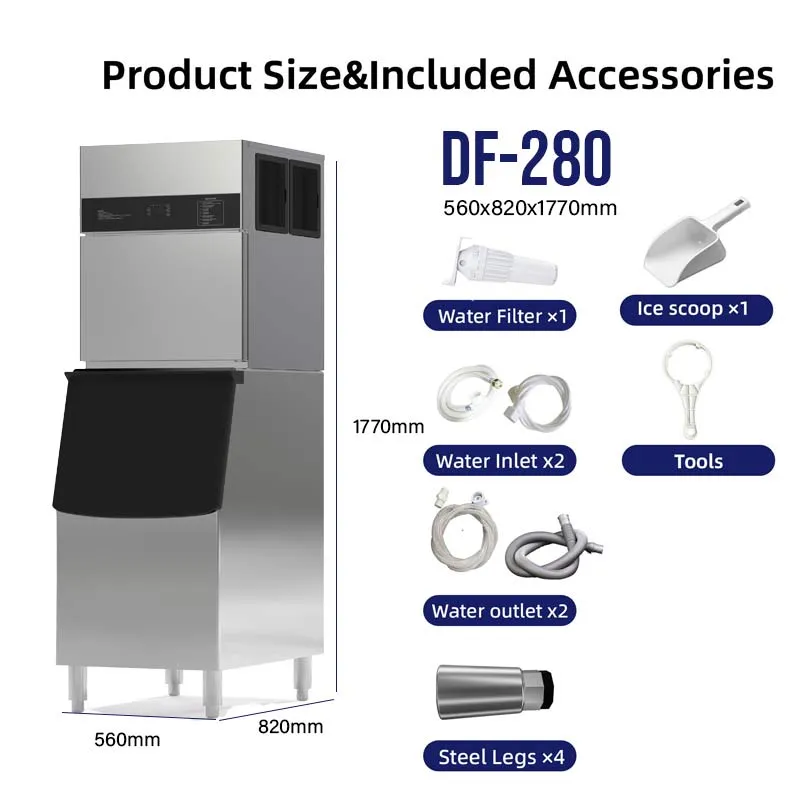
| Commercial Modular Gourmet | 280–500 lbs | 20–40 min | High-volume whiskey bars and hotel venues with 60+ pours per shift | TH-DF280 / TH-DF500 |
Which Naixer Clear Ice Machine Fits Your Bar?
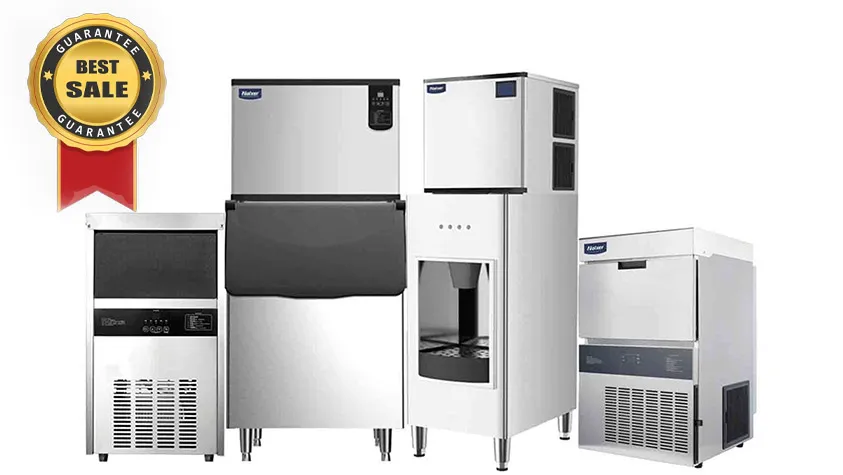
Once you’ve decided to move beyond the cooler method, the only question left is capacity. A machine that’s too small will leave you rationing cubes. One that’s too large wastes energy and floor space. Here’s a practical guide to matching Naixer models to bar profiles.
| Bar Profile | Recommended Ice Type | Daily Output Needed | Naixer Model | Actual Output | Installation |
|---|---|---|---|---|---|
| Intimate whiskey lounge (under 40 seats) | Large Cube | 90–130 lbs | TH-DF90 or TH-DF130 | 90–130 lbs/day | Undercounter |
| Mid-size craft cocktail bar (40–80 seats) | Large Cube | 280–500 lbs | TH-DF280 or TH-DF500 | 280–500 lbs/day | Modular |
| Coffee-cocktail hybrid bar | Crescent | 150–600 lbs | TH-SE150 or TH-SE600 | 150–600 lbs/day | Undercounter/Modular |
For a deeper dive into sizing your machine based on seat count and peak demand, read our guide on how big of an ice machine do i need for a bar. If you’re still deciding between configuration types, are under cabinet ice makers worth it breaks down the trade-offs.
Professional Clear Ice — Quick Answers
How do professional bars make clear ice?
They use commercial clear ice machines that freeze water slowly, in one direction, while circulating it. This pushes air bubbles and impurities away from the forming ice, producing crystal-clear cubes at scale.
Why is clear ice better than cloudy ice?
Clear ice is denser and free of trapped air. It melts much more slowly than cloudy ice, preserving the flavor of spirits and cocktails without dilution, and it doesn’t introduce off-tastes from trapped minerals or gases.
Can a commercial ice machine make clear ice?
Yes. Specialty machines like Naixer’s TH-DF Series (large cube) and TH-SE Series (crescent) are engineered specifically to produce crystal-clear, slow-melting ice for bars and restaurants.
Is a clear ice machine worth it for a small bar?
If your bar serves premium whiskey or craft cocktails, yes. A compact undercounter model like the Naixer TH-DF130 produces up to 130 lbs of clear ice daily and fits under a standard counter. The investment pays for itself through premium presentation, less waste, and happier customers.
How long does a commercial clear ice machine take to make a batch?
A batch of large-format clear ice typically takes 20 to 40 minutes, depending on cube size and machine capacity. Undercounter models can produce 90–130 lbs per day; larger modular systems can exceed 500 lbs per day.