How Much Does a Restaurant Ice Machine Cost in 2026? The Real‑World Guide to Buying Smart
A restaurant ice machine costs anywhere from 1,800 to 25,000+ depending on size, ice type, and cooling method. For a small cafe or bar, a compact undercounter unit will run you 2,000 to 4,000. For a high-volume restaurant kitchen or hotel, a modular system can push past $15,000 without blinking.
That’s the sticker price. And if you‘re only looking at the sticker price when budgeting for one of these machines, you’re making the same mistake that costs restaurant owners thousands of dollars in surprise expenses.
Because here‘s the thing nobody tells you when you’re shopping: the price on the box is about half of what you‘ll actually pay over the life of the machine. Installation can add hundreds — or thousands. Utilities, maintenance, and repairs? Those bills show up every single month.
This guide breaks down every cost you’ll actually face — upfront, hidden, and long-term — so you can budget once and sleep easy.
Table of Contents
Restaurant Ice Machine Cost by Type, Capacity & Ice Shape
Not all restaurant ice machines are created equal, and the price tags reflect that. A countertop unit churning out 50 lbs a day for a small cafe lives in a completely different world than a 2,000-lb modular beast feeding a hotel banquet hall.
Here‘s the breakdown:
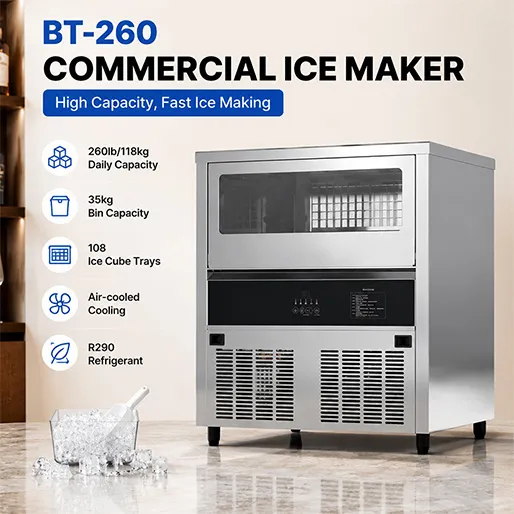
Entry-Level (300–500). Countertop or compact undercounter machines producing 50–150 lbs per day. These are for small cafes, tiny bars, and operations where space is tight and demand is modest.
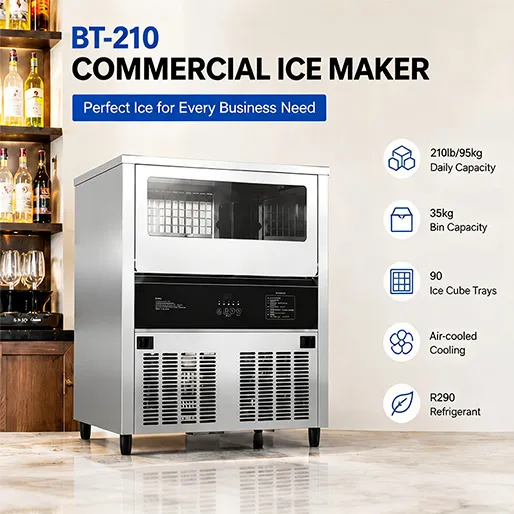
Small to Mid-Size (550–750). Undercounter units producing 100–250 lbs per day. Workhorses for independent restaurants and neighborhood bars.
Mid-Range (750–1,750). Mid-size modular systems producing 500–1,000 lbs per day. Built for busy restaurants, gastro-pubs, and catering kitchens that can’t afford to run out of ice during dinner rush.
High-Capacity (2,500–3,500+). Modular systems producing 1,000–2,000+ lbs per day. These are for hotels, convention centers, and large-scale foodservice operations.
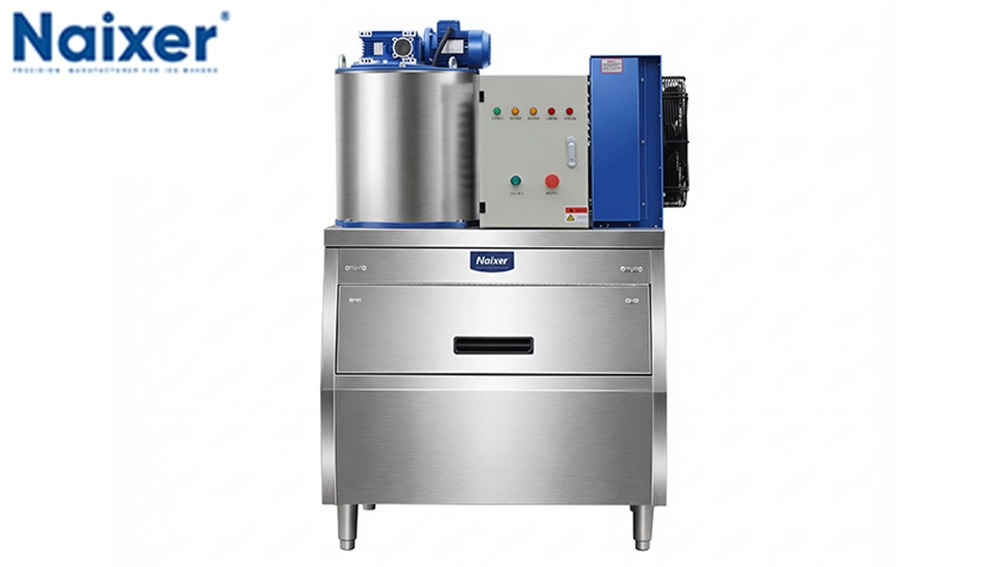
But production capacity isn‘t the only thing driving cost. Ice type matters — a lot. Specialty ice machines (gourmet large cubes for whiskey bars, nugget ice for healthcare, flake ice for seafood displays) typically command higher prices than standard cube machines because of more complex evaporator technology.
Here’s how the numbers shake out for different ice types and restaurant profiles:
| Restaurant Type | Best Ice Type | Daily Output | Price Range | Naixer Match |
|---|---|---|---|---|
| Small cafe / Neighborhood bar | Cube / Crescent | 80–150 lbs | 350–650 | TH-80B, TH-150B |
| Mid-size restaurant / Gastro-pub | Cube / Half-cube | 300–600 lbs | 700–1,500 | TH-320C, TH-500C |
| Large restaurant / Hotel banquet | Cube / Flake | 800–2,000+ lbs | 2,500–3,500+ | TH-1000C, TH-2000B |
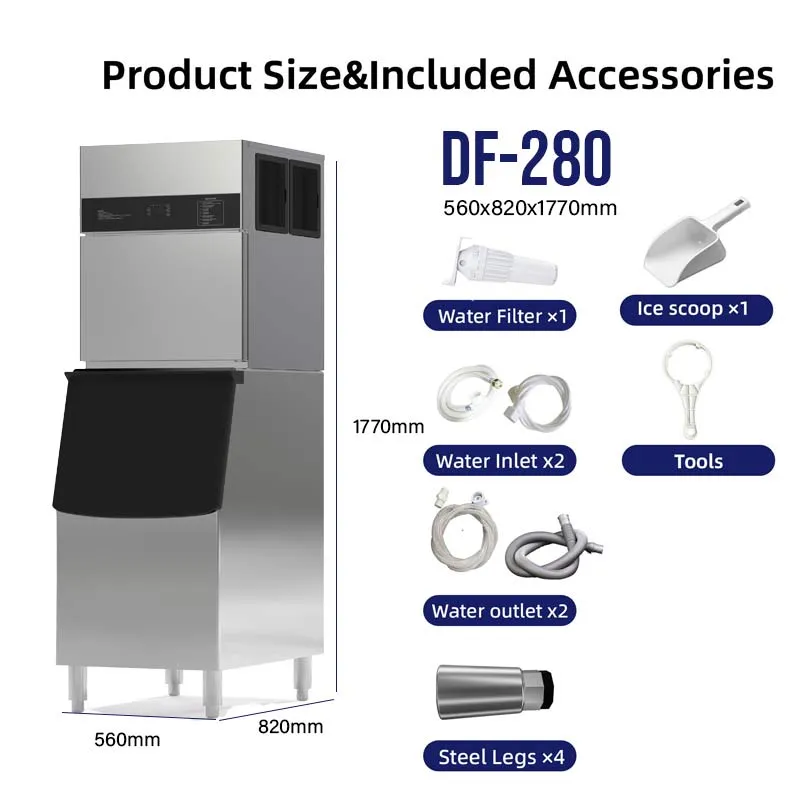
| High-end cocktail bar | Gourmet / Large cube | 90–280 lbs | 800–2,000 | TH-DF90, TH-DF280 |
| Seafood / Buffet | Flake | 300–1,000 kg | 2,500–5,000+ | PB-500, PB-1000 |
| QSR / Healthcare | Cube | 300–1,000 kg | 500–2,000 | PB-300, PB-500 |
The price jumps between tiers usually come down to three things: a heavier-duty compressor built for continuous operation, a larger evaporator surface for faster ice production, and whether the unit is self-contained or modular (modular systems often require a separate ice bin purchase, adding to the upfront spend).
Use our ice calculator to find the perfect commercial ice maker for your restaurant, bar, or hotel. Learn how to calculate daily ice needs and choose the right machine.
The Real Cost of Owning a Restaurant Ice Machine

This is the section that turns a 3,000 budgetin to a 6,000 line item. Ignore these costs, and they‘ll find you anyway.
1. Installation and Plumbing Modifications.
If your kitchen already has a dedicated cold water line and floor drain right where the machine will sit, installation might run 200–600. But if the nearest water line is across the room and the floor isn’t sloped toward a drain — and this is far more common than you‘d think — you’re paying a licensed plumber to run new lines. That can easily cost 500 to 2,000 or more. Delivery fees for larger units add another 100–500. And almost every manufacturer requires a water filtration system for warranty coverage. A commercial-grade filter setup runs 150–500. Skip it, and you‘re not just voiding the warranty — you’re letting mineral scale destroy your evaporator.
2. Electricity and Water Bills.
These machines run constantly, cycling on and off 24 hours a day. Annual utility costs typically land between 400 and 1,000, depending on your machine‘s size, cooling type, and local utility rates. One VEVOR owner reported their unit added about 45/month to theelectric bill. Over five years, that’s 1,800–$6,000 you never accounted for in the purchase price.
Water-cooled machines use dramatically more water than air-cooled units — we‘re talking 100+ gallons per 100 lbs of ice versus 15–25 for air-cooled — but they perform better in hot kitchens with poor ventilation. It’s a trade-off that shows up on your water bill every month.
3. Routine Maintenance.
This isn‘t optional. NSF guidelines and most health codes require commercial ice machines to be deep cleaned and sanitized at minimum every six months. If you do it yourself, supplies (nickel-safe cleaner, sanitizer, water filters) cost about 50–150 per cleaning. If you hire a pro, expect 300–700 annually for twice-yearly service.
4. Downtime — The Cost You Can’t Put on a Spreadsheet.
When your ice machine fails during a dinner rush, your bartenders can‘t serve cocktails, your servers can’t pour iced tea, and your kitchen might not be able to chill certain items. Restaurants often have to buy bagged ice at retail prices — sometimes 2–3 per bag — just to limp through a shift. Over a weekend, that alone can cost hundreds.
Undercounter vs. Modular: The Space & Cost Trade-Off

This decision alone can swing your budget by thousands.
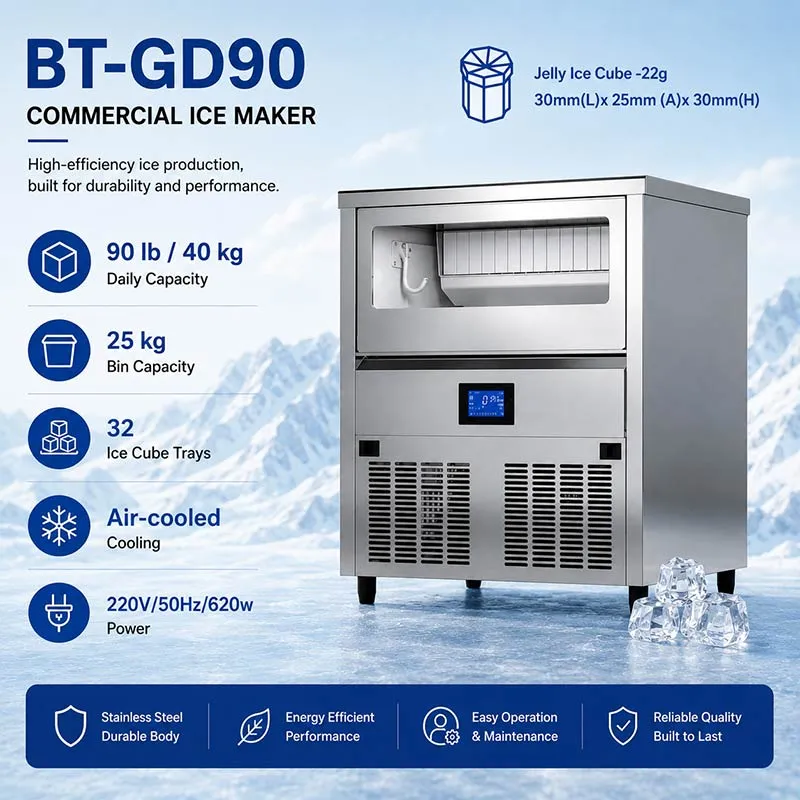
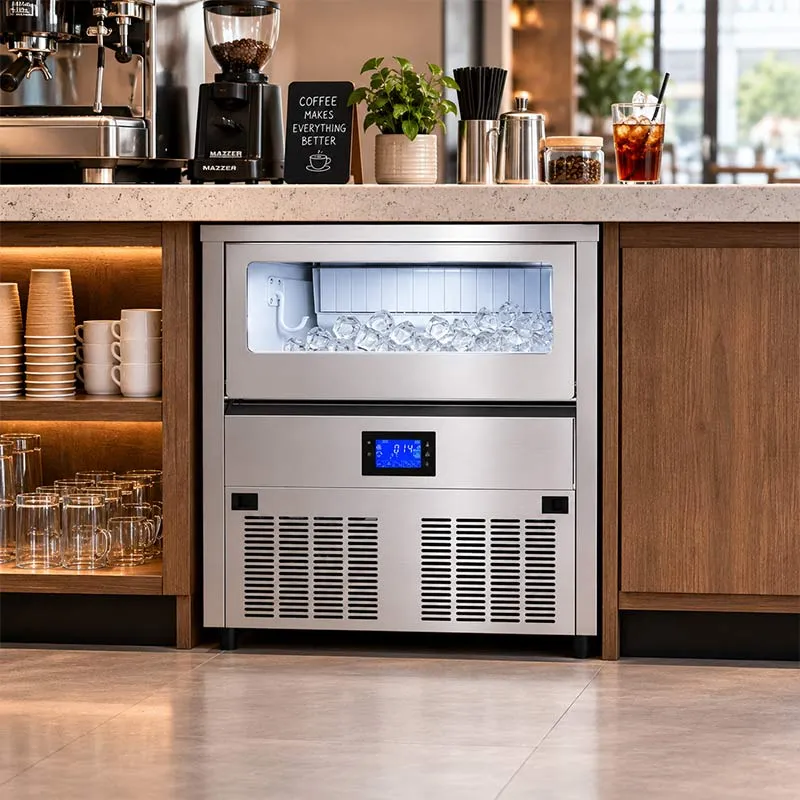
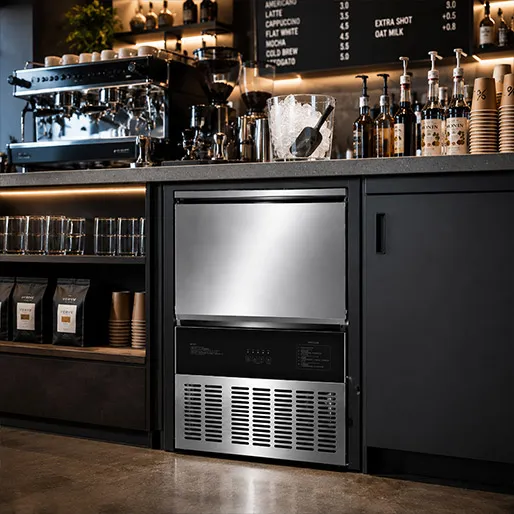
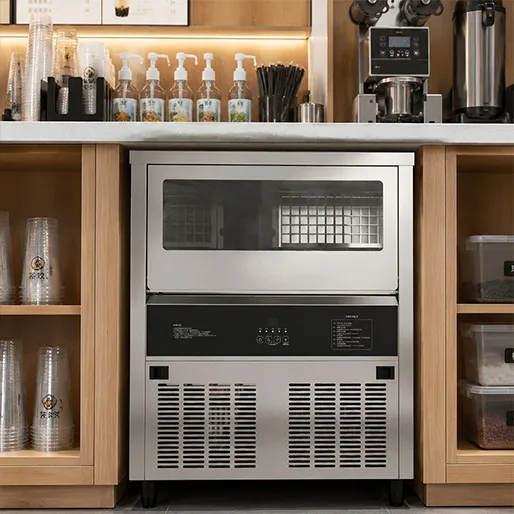
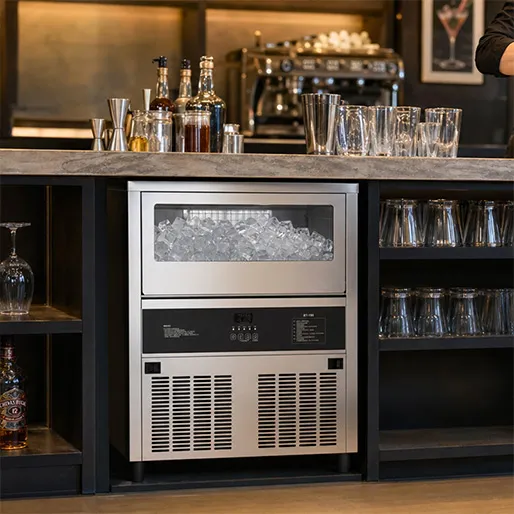
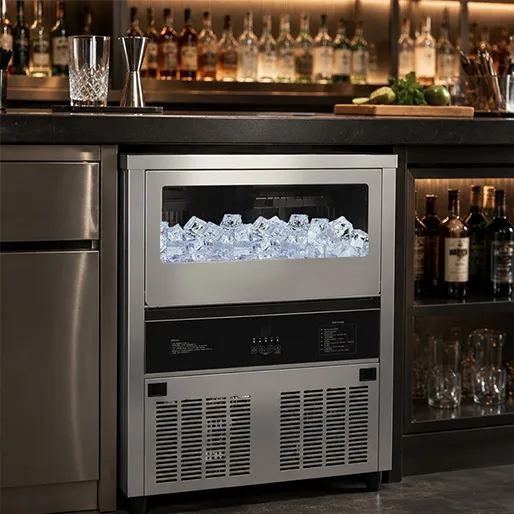
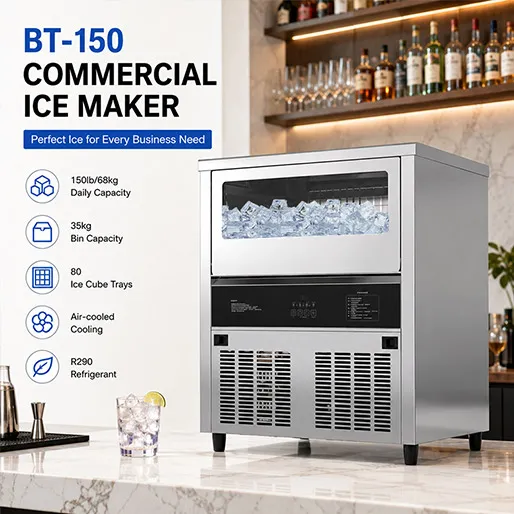
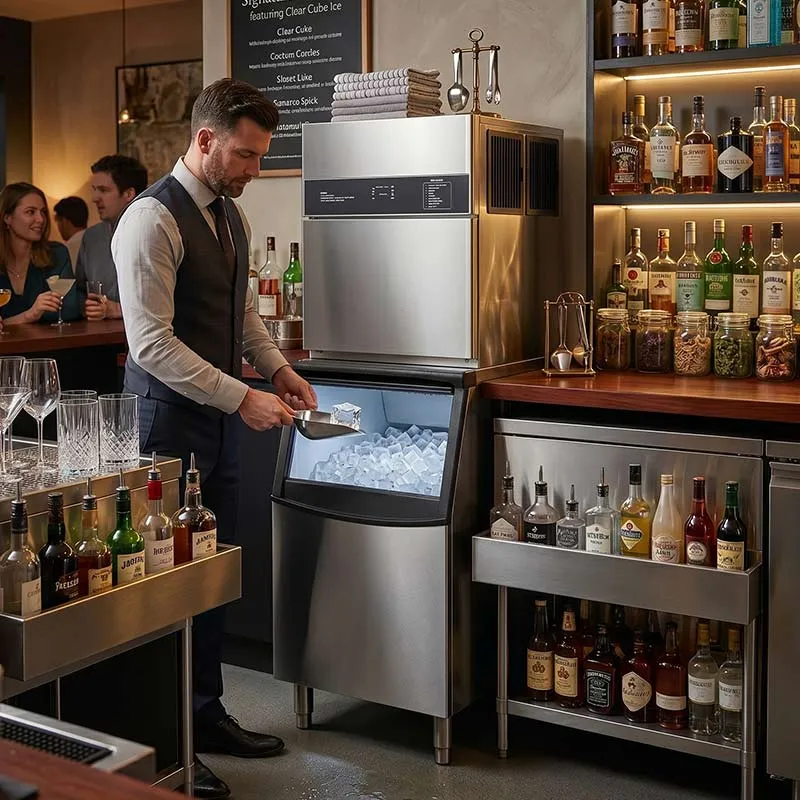
Undercounter units combine the ice maker and storage bin into one cabinet that slides under a standard counter. They‘re simpler to install, cost less upfront (1,800–7,000), and are ideal for spaces under 1,000 square feet where every inch counts. The trade-off? Limited daily output — usually 80–250 lbs.
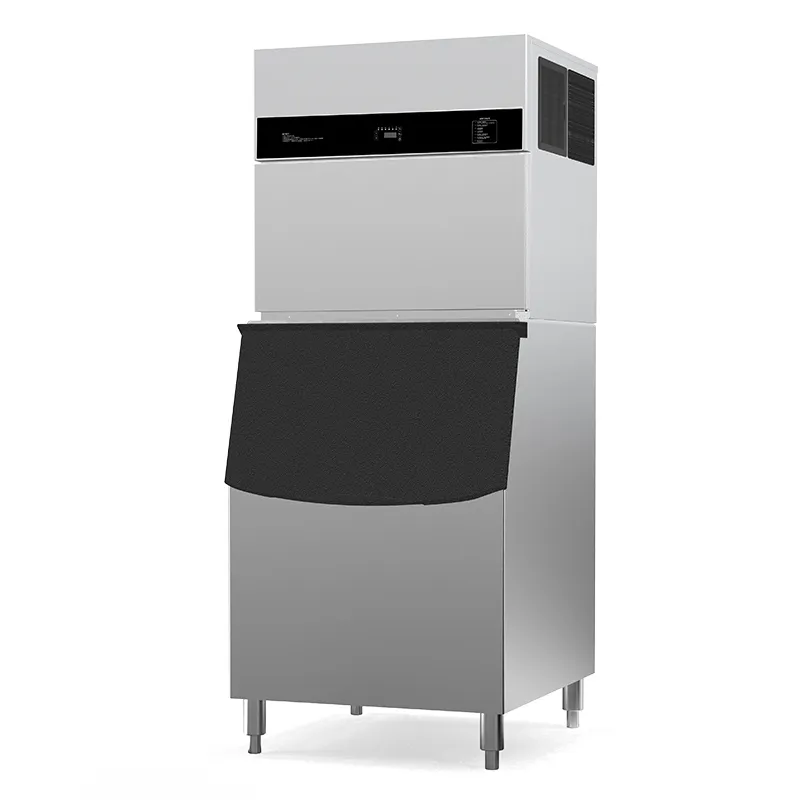
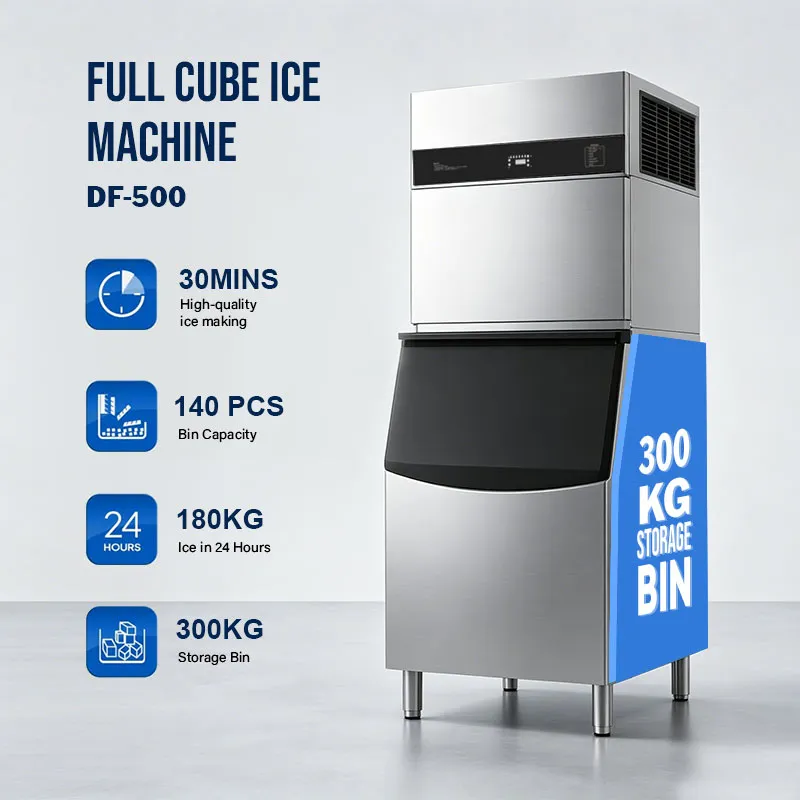
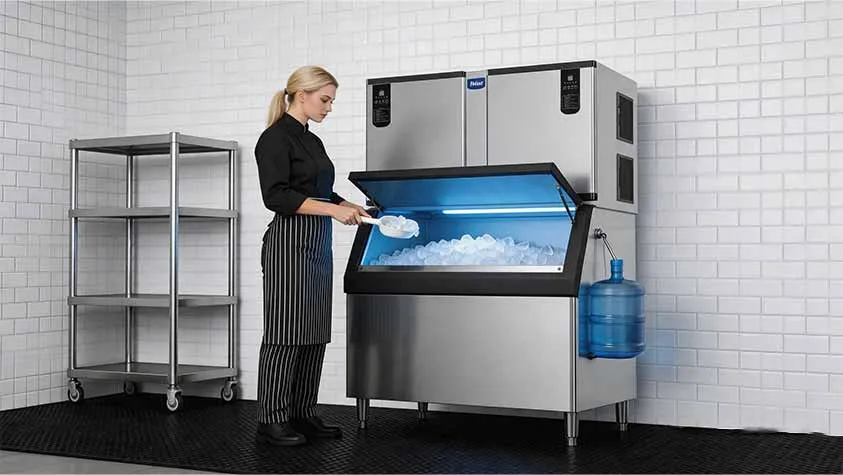
Modular systems separate the ice-making head from the storage bin. This gives you much more flexibility: pair a high-capacity head with a big bin in the back room, or split ice production across multiple dispensers on different floors. Upfront costs are higher (3,000–25,000+), and modular heads often require a separate bin purchase. But if you need more than 500 lbs of ice daily, modular is almost always the right call.
Naixer examples: The TH-80B and TH-150B are undercounter units producing 80–150 lbs/day. The TH-320C, TH-500C, TH-1000C, and TH-2000B are modular systems ranging from 320 to 2,000 lbs/day.
Smart Buying Strategies for 2026
Size for peak, not average. Your machine needs to keep up on the hottest Saturday night of the year, not a quiet Tuesday lunch. Add 20% to your estimated peak demand.
Prioritize NSF certification. Health inspectors look for it. If your machine isn‘t NSF-certified, you’re gambling on violation points.
Confirm R290 compliance. For machines under 1,000 lbs capacity purchased in 2026, this is non-negotiable.
Check the warranty. The industry standard is 3 years parts and labor on the entire machine. Anything less, ask why.
Budget the water filter from day one. It‘s required for warranty coverage and protects your evaporator from scale destruction.
Get multiple quotes. Prices vary significantly between dealers and brands. Don‘t buy the first machine you see.
Restaurant Ice Machine Cost — Quick Answers
Q: How much does a restaurant ice machine cost, realistically?
A: For most full‑service restaurants producing 300–800 lbs of ice per day, a self‑contained full‑cube ice machine with a built‑in storage bin costs 3,000–6,000 at purchase. Add 500–2,000 for installation, 400–1,000 annually for utilities, and 200–500 annually for routine maintenance. The walk‑away first‑year cost for a properly sized machine typically lands between 5,000 and 10,000, but a machine with a built‑in bin and a factory warranty (versus modular with separate bin purchase) trims thousands from the total.
Q: What’s the most expensive part of owning a commercial ice machine?
A: The purchase price is the largest single cost, but over the machine’s 7‑to‑10‑year lifespan, utilities, maintenance, and repairs often match or exceed the original purchase price. A machine bought cheap but repaired four times in five years is far more expensive than a machine bought right and maintained well.
Q: Can I rent or lease an ice machine instead of buying it?
A: Yes. Rental costs typically range from 100 to 500 per month depending on machine size and production capacity. Leasing spreads the purchase cost over time through structured monthly payments. Renting eliminates upfront capital expenditure but usually costs more over a 5+ year period. It’s a sensible option if cash flow is tight or seasonal, but for permanent restaurant operations, buying generally delivers lower total cost of ownership over the asset’s life.
Q: How long does a commercial ice machine typically last?
A: A well‑maintained commercial ice machine typically lasts 7–10 years, with some higher‑durability units running past 10 years before major component replacement becomes necessary. Neglecting routine cleaning and quarterly descaling cuts that lifespan roughly in half.
Q: What additional costs should I budget for besides the machine itself?
A: Installation (500–2,000+), water filters and filter replacements (100–200/year), professional cleaning twice per year (300–700/year), and an emergency repair reserve fund. Modular systems add 800–2,000 for a separate storage bin.
Q: How do I avoid the modular head “bin trap” when buying an ice machine?
A: When comparing prices, read carefully whether the quoted price includes the storage bin. Many modular systems list only the ice head price, and the bin is a separate line item. A self‑contained ice machine — where the bin is built into the unit — eliminates this uncertainty entirely because one purchase price covers everything.