26 Tips to Make Your Commercial Ice Vending Machine Stand Out (2026)
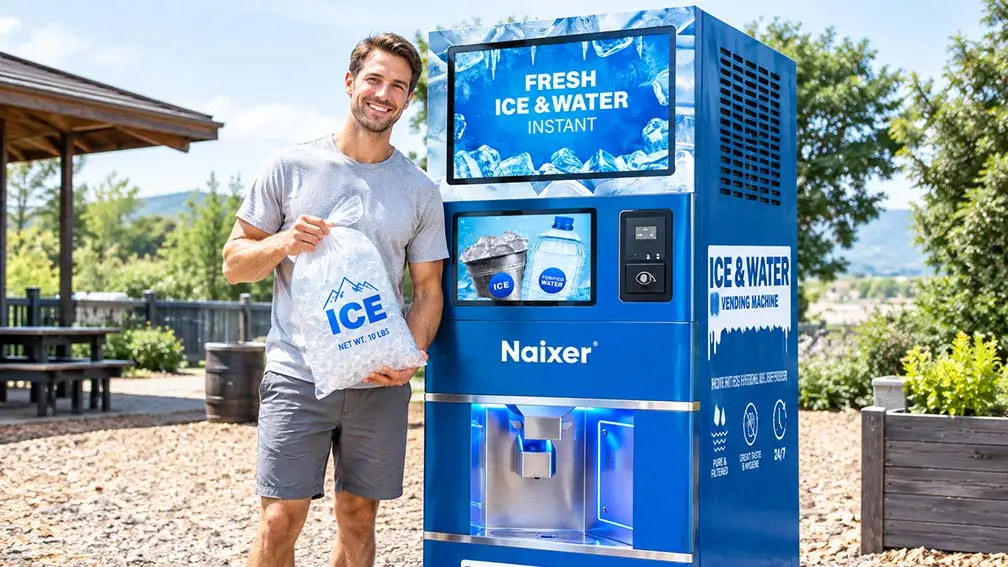
Your commercial ice vending machine already does the hard part. It makes, bags, and dispenses ice — and often purified water — 24 hours a day, with no cashier, no checkout line, and no inventory that can expire. What it can’t do on its own is get noticed.
And that’s what separates a busy machine from a boring one. Two identical units on two comparable corners can earn very different money, and the gap usually isn’t the equipment. It’s everything around it: how the machine looks, where it points, how people pay, and how many neighbors know it exists.
This guide gives you 26 practical tips, grouped into six areas you can improve one at a time. (Still planning your entry into the business? Start with our guide to how to start an ice vending machine business.)
In this guide, you will learn:
Why Standing Out Matters for Your Commercial Ice Vending Machine
Ice is an impulse buy. Nobody researches bagged ice for a week — people stop when they see a machine, need ice right now, and can pay in seconds. That behavior has a big implication: your revenue is capped less by production capacity than by how many passersby simply never look twice.
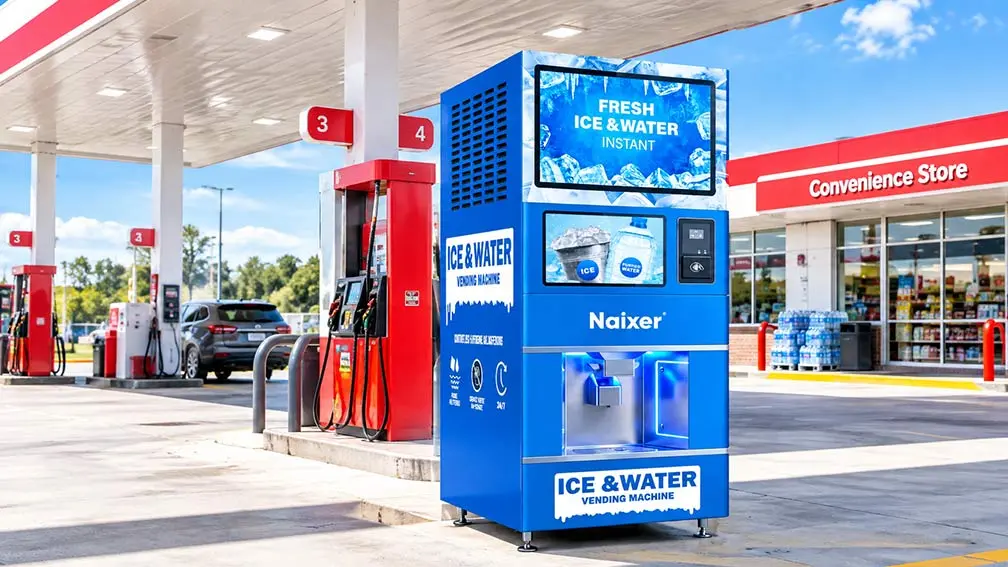
Operators who compare notes on ice vending machine profit benchmarks tend to find the same pattern — the best-performing commercial ice vending machines aren’t the biggest ones. They’re the most visible, the cleanest, and the easiest to use. A dim, unbranded unit in the shade of a gas-station canopy quietly loses sales to a lit, wrapped machine 200 feet away.
The good news: every fix in this article costs little relative to the machine itself. And the returns compound — the same units, in the same spots, start producing a portfolio that can scale toward $100k once visibility and repeat business kick in.

Start With Your Audience: Why People Walk Past
Before the tips, put yourself in your customer’s shoes — or their car. When someone drives past your machine without slowing down, it’s almost always for one of four reasons:
- They don’t see it. It blends into the background, faces the wrong way, or disappears after dark.
- They don’t trust it. Dim glass, worn paint, or missing signage reads as “unclean” — fairly or not, that’s a deal-breaker for a food product.
- It’s inconvenient. No card reader, unclear pricing, awkward parking, or a clumsy approach.
- There’s no reason to choose it. Your machine looks identical to the one a mile up the road, so there’s no habit to build.
Keep these four objections in mind — every group of tips below knocks one of them down.
The 26 Tips
| Area | Tips | What It Fixes |
|---|---|---|
| Appearance & Signage | 1–6 | Being overlooked — especially after dark |
| Location & Visibility | 7–10 | Winning the first glance from passing traffic |
| Pricing & Payments | 11–14 | Customers who want ice but can't or won't pay |
| Local Marketing | 15–18 | Nobody nearby knowing the machine exists |
| Social Media & Video | 19–22 | Zero word-of-mouth buzz in the area |
| Smart Features & Data | 23–26 | Guessing instead of knowing what sells |
A. Make It Impossible to Miss: Appearance & Signage (Tips 1–6)
1. Light it up for the night shift.
Ice demand spikes after dark, especially in summer — and a lit machine is visible from three times farther than an unlit one. Add LED cabinet lighting or a lit canopy, and check the bulbs on a monthly walk-by.

2. Wrap it in your brand.
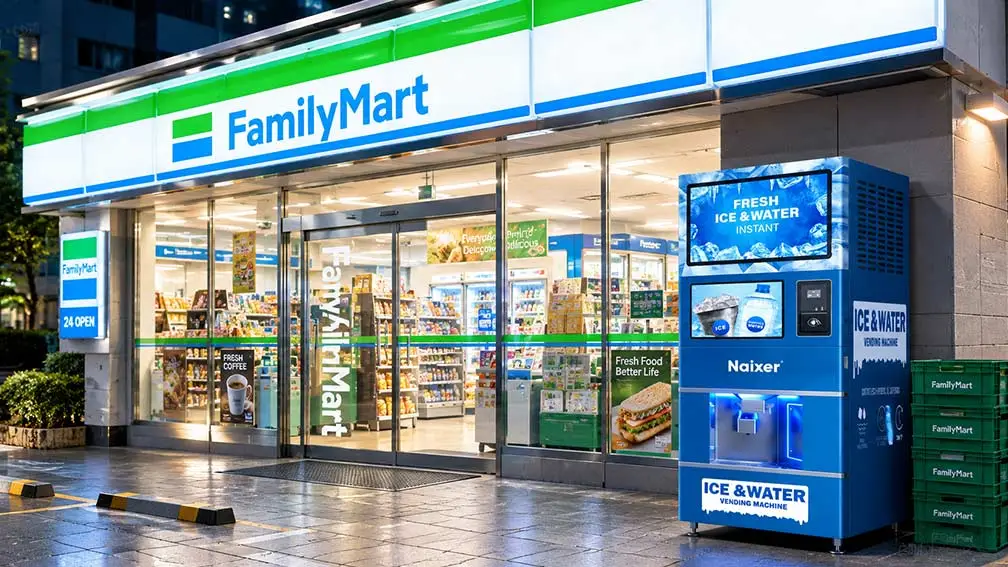
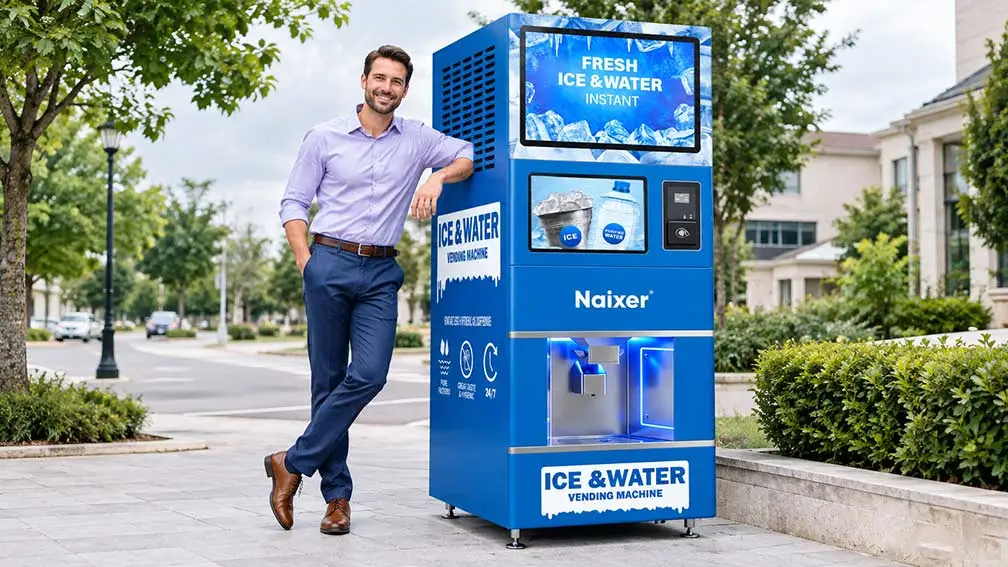
A plain stainless box says “generic.” A branded machine says “this is a real business.” Many commercial ice vending machines — including Naixer’s ZD-160 — can be ordered with custom colors and your logo, so the machine itself becomes a billboard.
3. Put your logo at windshield height.
Signage at eye level sells to pedestrians; signage at 4–6 feet sells to drivers. Test it by driving past at normal speed — if you can’t read it in one glance, it’s too small or too low.
4. Keep a readable price board.
Customers hate stopping to discover the price. Post it big: “$2.99 · 10 lb bag” does more for conversion than almost any discount.
5. Stage the glass and the product.
Clean glass, neatly stacked bags, and a soft light inside the display case make the ice look fresher. Wipe the glass during every refill — it takes 30 seconds and it’s the cheapest marketing you’ll ever do.
6. Use a screen for rotating offers.
A small digital display lets you advertise bundles, seasonal specials, and “new: filtered water” without reprinting a single sign.
B. Win the First Glance: Location & Visibility (Tips 7–10)
If you’re still evaluating sites, start with the best locations for an ice and water vending machine business. If your machine is already placed, these four fixes are about making it seen from where it stands.
7. Face the dominant traffic flow.
The machine’s “face” — the side with the pay station and the ice door — should point at the direction most cars approach from. Flipping a machine 180 degrees is free and can meaningfully lift stop rates.

8. Add ground-level signs to the approach.
A simple arrow board or flag 50–100 feet before the turn-in gives drivers time to signal and slow down. Most missed sales are missed exits, not missed decisions.
9. Light the approach, not just the machine.
A dark parking pad feels unsafe after dark — especially to solo customers. A $30 solar floodlight aimed along the walkway often pays for itself in a week.
10. Share signage with your host business.
If your machine sits beside a convenience store, gas station, or laundromat, ask to add “ICE · WATER · 24/7” to their roadside sign. It costs them nothing and sends you customers they weren’t serving anyway.
C. Remove Every Reason to Walk Away: Pricing & Payments (Tips 11–14)
11. Go fully cashless — keep cash for stragglers.
Card and mobile-wallet readers now catch the majority of impulse purchases, because nobody digs for coins anymore. Modern machines like the ZD-160 accept card and phone payments out of the box, with coin/bill acceptance as a fallback rather than the main event.

12. Price with charm, display with clarity.
$2.99 outperforms $3.00 nearly every time — not because customers can’t round, but because the price feels handled. That only works if the price board is big, honest, and readable from the car.
13. Bundle ice and water.
A “bag + gallon” combo lifts the average transaction value without discounting your core product — and for families, it’s genuinely the more convenient choice. Watch how much an ice and water vending machine can make per month once bundles are running; average-ticket gains show up fast.
14. Run short, seasonal promotions — then stop.
A “50¢ filtered water with any ice purchase” special for one weekend creates urgency and trial. Running it forever just discounts your best customers. On, then off.
D. Get the Neighborhood Talking: Local Marketing (Tips 15–18)
15. Brief the businesses around you.
The staffs at nearby stores, campgrounds, and marinas talk to your customers before you ever do. Make sure they know what your machine sells, what it costs, and that it’s open 24/7 — a one-page intro sheet with your phone number is enough.
16. Print flyers with a QR code.
A flyer on a convenience-store bulletin board with a QR code that opens your location on Google Maps turns curiosity into a visit. Update the QR destination as your listing content improves.
17. Host a free-ice day.
A soft-launch “first bag free” Saturday turns a new machine into a neighborhood event — and trial is the hardest step for any vending business. Hand out cards explaining how payment works while you’re at it.

18. Claim and optimize your Google Business Profile.
List the machine as a local business near its address, with photos, hours (“open 24 hours”), and the phrase “ice vending machine” in the description. This is how you show up when someone nearby searches “ice near me” on a hot afternoon.
E. Turn the Machine Into Content: Social Media (Tips 19–22)
19. Repost user-generated content.
When a customer films your machine at a birthday party or campout, reshare it with permission and a location tag. Every repost is free proof that the machine is part of local routines.
20. Film the 30-second "ice drop."
The moment fresh ice cascades into the bag is oddly satisfying — it’s the most shareable thing your business produces, and it costs nothing to capture once and reuse.
21. Go behind the scenes.
Short videos of a refill, a filter change, or a cleaning routine build the food-safety trust that a vending machine can’t otherwise earn. One video a month is plenty.
22. Join local community groups.
Facebook groups, Nextdoor, and neighborhood subreddits are where “where do you get ice around here?” questions actually get asked. Answer helpfully — don’t spam — and pin your location in the group’s recommendations.
F. Stand Out While You Sleep: Smart Features & Data (Tips 23–26)
23. Monitor sales remotely.
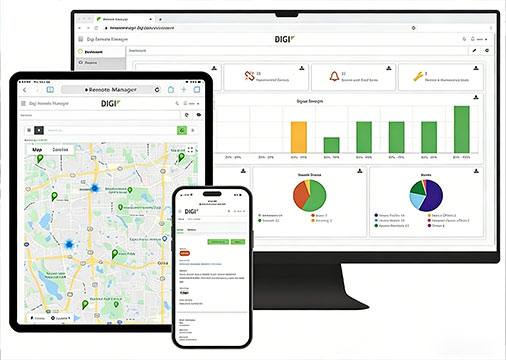
Instead of driving to the site to check, use a machine with built-in telemetry — the Naixer ZD-160 ice & water vending machine reports sales by time of day, so you learn what sells, when, and why. That data is what separates operators who guess from operators who grow.
24. Let the data schedule your refills and maintenance.
Remote monitoring flags low ice, low water, or a stalled vend before a customer ever sees an “out of order” sign. Downtime during a heatwave is the most expensive downtime there is.
25. Market your cleanliness — on the machine itself.
A small decal that says “filtered water · UV sanitation · cleaned daily” turns invisible hygiene work into a visible selling point. Food-safety signaling is one of the few marketing messages that directly reduces hesitation at the machine.
26. Test quarterly, kill ruthlessly.
Keep one new experiment running each quarter — a promo, a sign, a bundle — and compare it against the previous month. If it doesn’t move the numbers, retire it. A machine that’s always improving beats a machine that was perfect on day one.
How to Measure What's Working
Every tip above is a hypothesis; the numbers are the verdict. Start by knowing what a single machine realistically earns in your market, then track your own machine against these five metrics:
| Metric | Why It Matters | How Often to Check |
|---|---|---|
| Daily Sales & Peak Hours | Shows when demand actually happens — time your promos and refills around it | Weekly Remote Dashboard |
| Average Transaction Value | Tells you whether bundles and pricing changes are lifting spend per visit | Monthly |
| Repeat-Purchase Rate | Returning customers are the single best signal that your machine is standing out | Monthly |
| Payment Mix | If card share is high and cash is fading, drop coin hardware complexity at the next upgrade | Quarterly |
| Service Calls & Downtime | Every down hour costs sales and damages the habit you're building | Monthly |
Don’t chase all five at once. Pick the one metric that’s weakest, run one fix from this article against it, and let the data decide the next move.
Your Seasonal Promotion Calendar
Promotions work best when they follow demand rather than fight it. Here’s a simple loop:
| Season | Promotion Idea | Why It Works |
|---|---|---|
| Spring | Free-ice soft launch + flyer drop to nearby businesses | Builds first-time trial before peak season starts |
| Summer | Ice + water bundle pricing; extended evening lighting checks | Peak impulse season — demand is highest after dark |
| Fall | Game-day and tailgate bundles; partner with event organizers | Events create large, predictable one-day spikes |
| Winter | Holiday party packs; remind customers ice never "goes bad" | Household hosting demand stays steady off-season |
FAQ
Is an ice vending business profitable?
Ice vending is one of the few vending models with no product spoilage — unsold ice simply becomes inventory, not waste. With a good location, most operators can run margins well above traditional vending, and the machine staffs itself 24/7. Earnings vary widely by site; you can see how it works at smaller scale in our guide to ice vending as a side hustle.
How much does a commercial ice vending machine cost?
Typical market ranges run from about $8,000–$11,000 for compact grab-and-go units to $25,000–$35,000+ for fully automated make-and-bag depots, depending on daily capacity, water purification, and payment features. Factory-direct sourcing — buying from the manufacturer rather than a reseller — is the most common way operators reduce that figure.
How do I attract more customers to my ice vending machine?
Three moves do most of the work: make it visible (lighting, facing traffic, roadside signage), make it frictionless (cashless payment, clear pricing), and make it known (Google Business Profile, nearby businesses, a soft-launch event).
What payment methods should a commercial ice vending machine accept?
Card and mobile wallets should be primary; coin and bill acceptance is a useful fallback but increasingly optional. The test is simple: if a customer needs more than 20 seconds to pay, you’re losing sales.
How often should I clean and service the machine?
Check it visually daily (or via camera/monitoring), wipe glass and high-touch surfaces at every refill, and follow the manufacturer’s schedule for deep cleaning, filter replacement, and sanitation. With a food product, visible cleanliness is marketing — and ice machines that look tired sell accordingly.
Do I need permits to sell ice?
Requirements vary by state and county — many jurisdictions group packaged-ice sales under food-handling or weights-and-measures rules. Confirm with your local health department before launch; it’s a one-afternoon errand that protects the whole business.