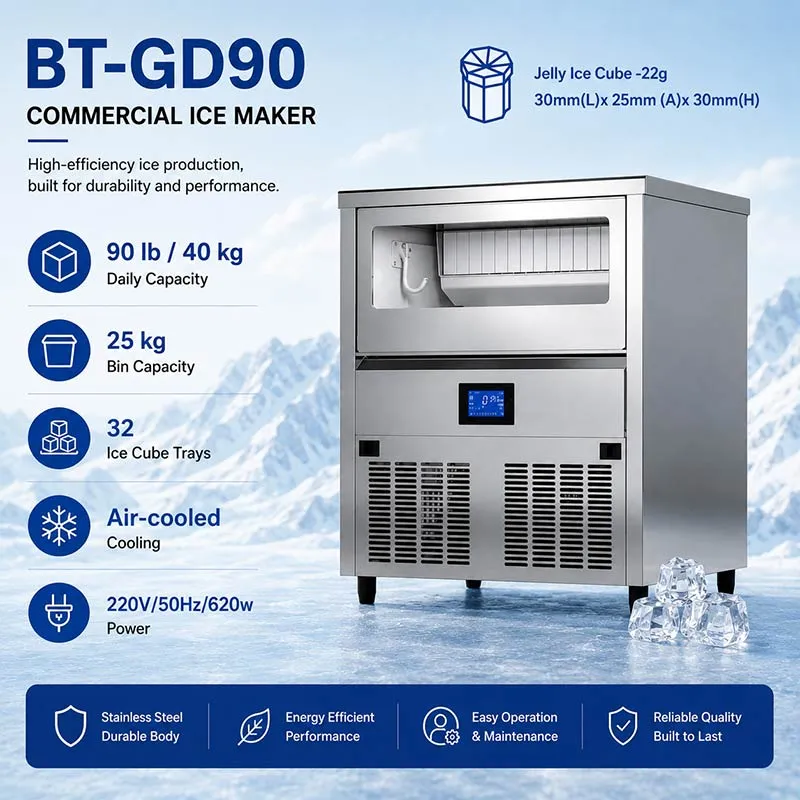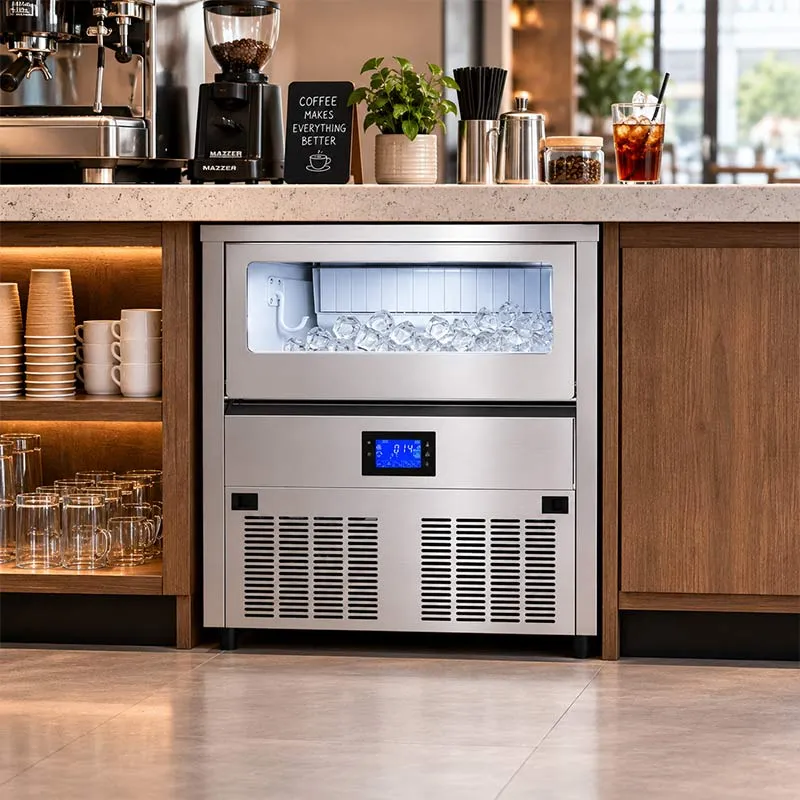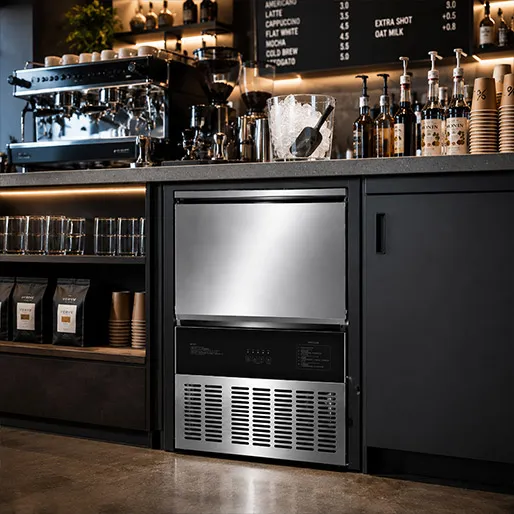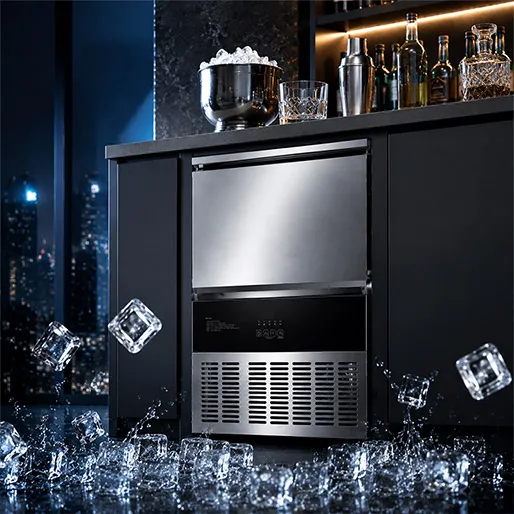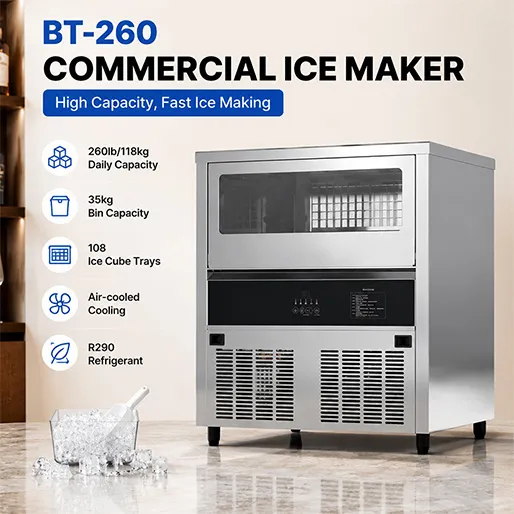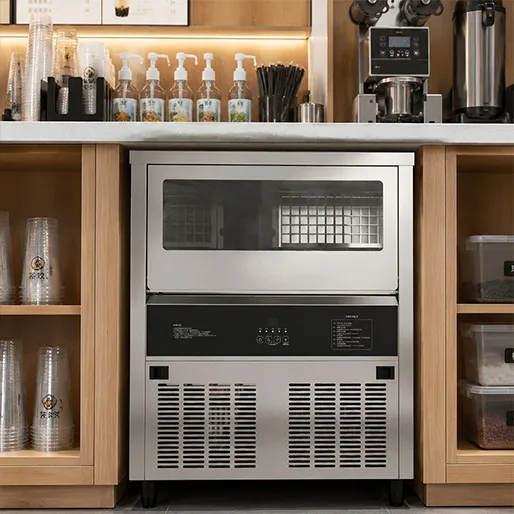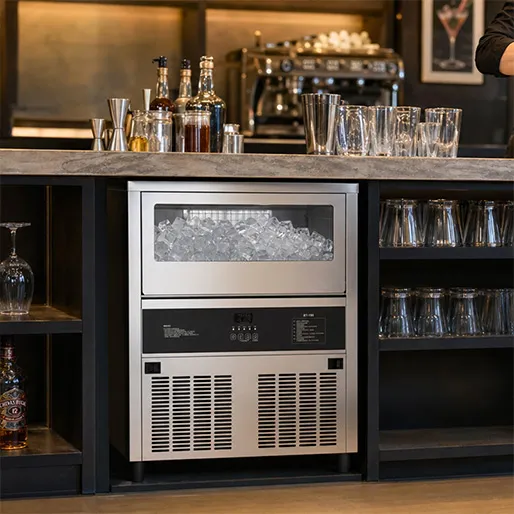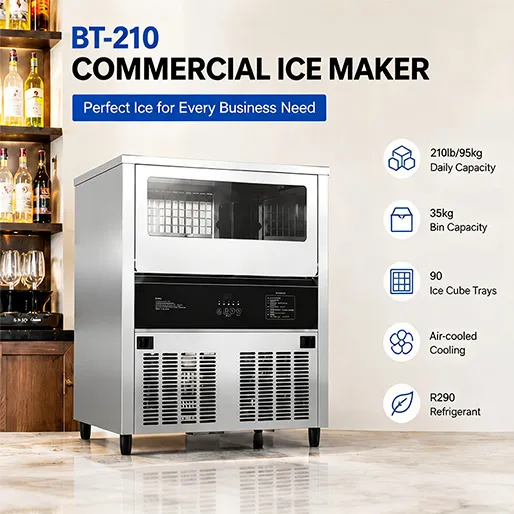

If you‘ve ever typed “where can I buy an ice machine” into a search bar, you already know the problem. Amazon shows you hundreds of options. Alibaba promises factory-direct pricing. The local restaurant supply store has a salesperson who’s been “in the business 20 years.” And somewhere in the back of your mind, a voice is asking whether that used machine on eBay is actually a steal or just someone else‘s headache.
The 2026 commercial ice machine market is fragmented. Big-box retailers, online marketplaces, restaurant supply stores, and direct-from-manufacturer sales all compete for your attention. But they’re not all offering the same thing. Some are selling you a machine. A few are selling you a partnership.
This guide walks through the four main purchasing channels—ranked from best to riskiest—and gives you five questions that will immediately reveal whether you‘re dealing with a quality machine or a future headache. By the end, you’ll know exactly where to buy, what to ask, and how to make a decision you won‘t regret in six months.
Table of Contents
Use our ice calculator to find the perfect commercial ice maker for your restaurant, bar, or hotel. Learn how to calculate daily ice needs and choose the right machine.
Stop Shopping Until You Answer These Three Questions
Most buyers start with the price tag. That’s backwards. Before you compare a single model, you need to know three things: how much ice your operation consumes at peak demand, what type of ice your drinks and food service actually require, and how much space you have—both for the machine itself and for the ventilation clearance around it.
A small café serving 150 iced drinks a day has fundamentally different needs than a hotel lobby bar that runs 24 hours. A cocktail bar that sells $20 whiskey pours needs large, dense, slow-melting cubes. A fast-casual restaurant pushing soft drinks through a self-serve station needs something else entirely. Before choosing where to buy, first determine your ice type and capacity needs. Every kitchen layout, menu, and service model is different, which is why choosing equipment should start with a few key questions: How much space do you have? Will you be serving cold drinks all day or just at peak times?
Once you can answer these three questions with confidence, you‘re ready to start evaluating where to make the purchase. An informed buyer is much harder to upsell into the wrong machine.
Where to Buy (And What to Watch Out For)
There are four main channels for purchasing a commercial ice machine. They’re not equal, and the right choice depends on your priorities: upfront cost, long-term reliability, or somewhere in between. Ask yourself what your risk tolerance and budget look like
1. Direct from the Manufacturer — The Gold Standard
When you buy directly from the manufacturer, you eliminate layers of markup, get the factory warranty without any fine print, and talk to people who actually know how the machine was built. There‘s no middleman to blame if something goes wrong—the manufacturer owns the relationship.
A solid commercial ice machine for small business typically costs 2,000–6,000 from a quality manufacturer. At that price point, you’re not just paying for the stainless steel and the compressor. You‘re paying for engineering that keeps the machine running during a hundred-degree kitchen shift. Manufacturers often provide better support and warranty terms than resellers, including installation guidance and post-purchase maintenance advice. For commercial-grade reliability, this is the channel I recommend first.
Naixer sells directly, which means no distributor markup, direct access to technical support, and a 3-year comprehensive warranty that covers core systems and key components. The company manufactures in a 30,000 m² smart factory with ISO9001-certified processes, backed by 300+ technical patents and an annual production capacity of more than 200,000 units. Clients include KFC and Luckin Coffee—operations where ice machine failure isn‘t an option.

2. Restaurant Supply Stores — The Hands-On Option
When you buy directly from the manufacturer, you eliminate layers of markup, get the factory warranty without any fine print, and talk to people who actually know how the machine was built. There‘s no middleman to blame if something goes wrong—the manufacturer owns the relationship.
A solid commercial ice machine for small business typically costs 2,000–6,000 from a quality manufacturer. At that price point, you’re not just paying for the stainless steel and the compressor. You‘re paying for engineering that keeps the machine running during a hundred-degree kitchen shift. Manufacturers often provide better support and warranty terms than resellers, including installation guidance and post-purchase maintenance advice. For commercial-grade reliability, this is the channel I recommend first.
Naixer sells directly, which means no distributor markup, direct access to technical support, and a 3-year comprehensive warranty that covers core systems and key components. The company manufactures in a 30,000 m² smart factory with ISO9001-certified processes, backed by 300+ technical patents and an annual production capacity of more than 200,000 units. Clients include KFC and Luckin Coffee—operations where ice machine failure isn‘t an option.
3. Online Retailers — Convenience with Caution
Amazon, eBay, and other online marketplaces offer thousands of ice machines at every price point. The convenience is real. So is the risk.
The problem isn’t that every online listing is dishonest. It‘s that warranty coverage on these platforms is often unclear, and return policies vary dramatically between sellers. Some commercial ice machines sold online come with a 30-day warranty that’s essentially useless for a piece of equipment you expect to run for a decade. Other sellers offer limited replacements for defective parts but provide no technical support.
If you buy online, stick to machines that carry NSF certification and a manufacturer‘s warranty—not just a seller’s return policy. Verify the warranty duration before completing the purchase. An NSF-certified ice maker has been thoroughly vetted, from its design and materials to its performance and cleanability. Health inspectors actively look for that NSF seal.
4. Local Dealers and Used Equipment — Proceed with Care
Used commercial ice machines are tempting. The price is low, sometimes dramatically so. But a used machine comes with no warranty, no installation support, and an unknown maintenance history.
When inspecting a used machine, thoroughly check the evaporator coils and water lines—these are the areas where scale buildup and corrosion accumulate fastest. If you see white, chalky deposits on the evaporator or dark spots in the water trough, walk away. That machine has been neglected, and you‘re inheriting someone else’s maintenance debt.
Used equipment can work if you‘re an experienced operator who knows how to service these machines yourself. For everyone else, the long-term risk usually outweighs the short-term savings.
| Channel | Best For | Biggest Risk | Warranty |
|---|---|---|---|
| Direct from Manufacturer | Long-term reliability, warranty protection | Higher upfront investment | Full factory warranty |
| Restaurant Supply Store | First-time buyers, hands-on evaluation | Higher markup over factory price | Varies by store |
| Online Retailers | Convenience, price comparison | Unclear or limited warranty | Often 30–90 days only |
| Used Equipment | Budget constraints, experienced operators | Unknown history, no warranty | None |
How to Spot a Reliable Ice Machine in 5 Questions
Any seller can tell you their machine is “commercial grade.” These five questions separate marketing from engineering.
1. What‘s the full warranty—not just the compressor?
The industry standard is 3 years parts and labor on the entire machine, with additional coverage on the compressor and evaporator. If the salesperson can’t clearly state the warranty terms without checking a manual, that‘s a red flag. The warranty is the manufacturer’s direct statement about how long they expect the machine to last.
2. Does this machine carry NSF certification?
NSF certification isn‘t a nice-to-have. It’s what your health inspector looks for. NSF/ANSI Standard 12 is required for food-service equipment in the United States. Machines without it may be functional, but they can cost you violation points during an inspection. Always look for the NSF certification to ensure the highest standards of food safety.
3. What materials are used in the ice-making zone?
Look for food-grade 304 stainless steel—evaporator, water trough, interior cabinet. Plastic parts in the ice-making zone are cheaper to manufacture but harder to sanitize, prone to cracking, and can harbor bacteria in micro-scratches. Stainless steel costs more upfront and lasts dramatically longer.
4. How easy is this machine to maintain?
Every commercial ice machine needs to be deep cleaned every six months. The question is how much friction that adds to your operation. Machines with one-touch cleaning cycles automate the descaling process. Machines with modular internal design allow tool-free access to common service items. If cleaning the machine requires a service call, you‘ll clean it less often—and the machine will fail sooner.
5. Can I talk to an existing customer?
Any reputable manufacturer should be able to connect you with a current customer who runs a similar operation. If they can’t—or won‘t—ask yourself why. A manufacturer with a track record will have reference clients. Naixer, for example, serves more than 5,000 commercial clients globally, including KFC and Luckin Coffee. These are operations that run ice machines continuously and have zero tolerance for failure.
Find Your Match
Not every business needs the same ice machine. The key is aligning ice type, capacity, and installation footprint with your actual operation.
| Business Type | Recommended Model | Daily Output | Ice Type | Best For |
|---|---|---|---|---|
| Small café / Neighborhood bar | TH-80B | 80 lbs / 36 kg | Cube 22×22mm | Compact undercounter, fits tight bar spaces |
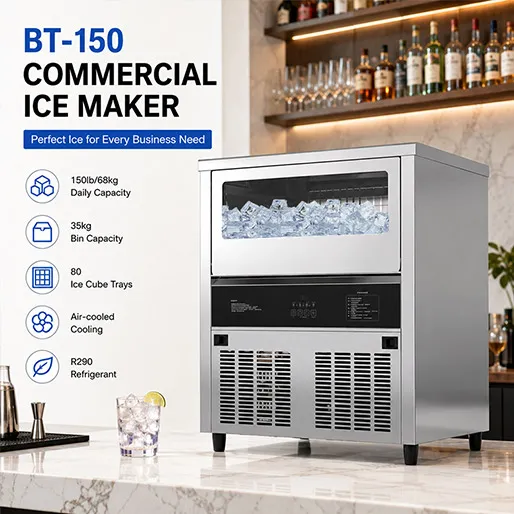
| Mid-size restaurant / Cocktail bar | TH-150B | 150 lbs / 68 kg | Cube 22×22mm | 45kg storage, handles dinner rush |
| Premium whiskey bar | TH-DF130 | 130 lbs / 59 kg | Large cube 50×50×50mm | 2-inch cubes for slow-melting premium pours |
| Large hotel / Banquet hall | TH-1000C | 1,000 lbs / 450 kg | Cube 22×22mm | Modular, industrial output for 24/7 operations |
View the Naixue Product Catalog 🧊
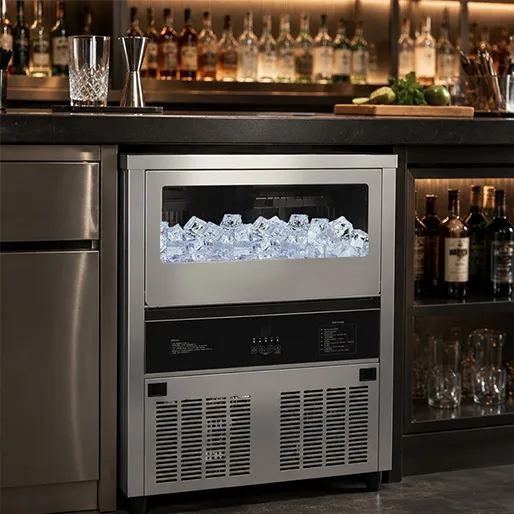
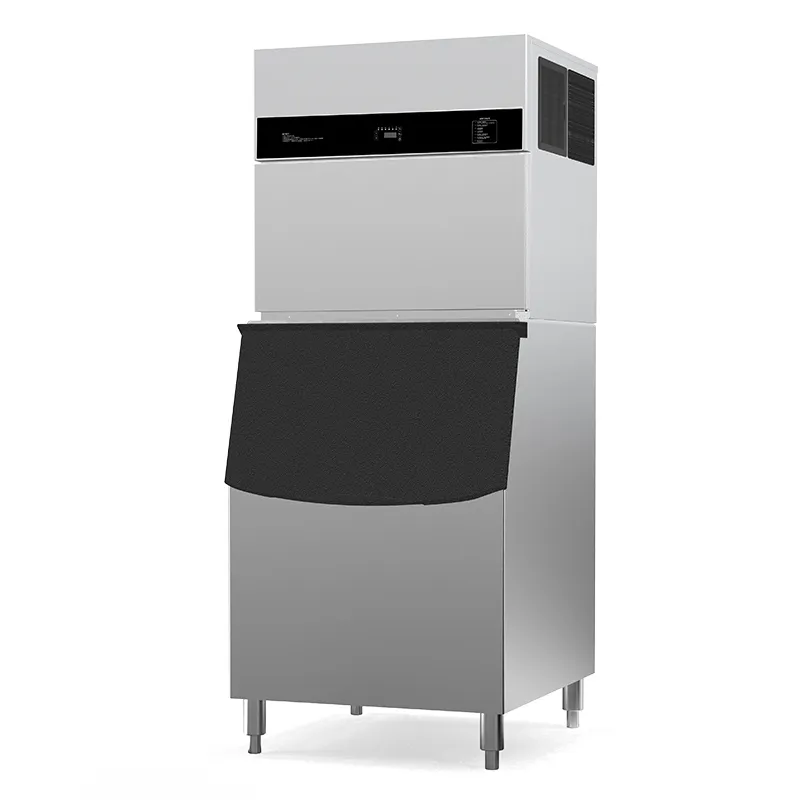
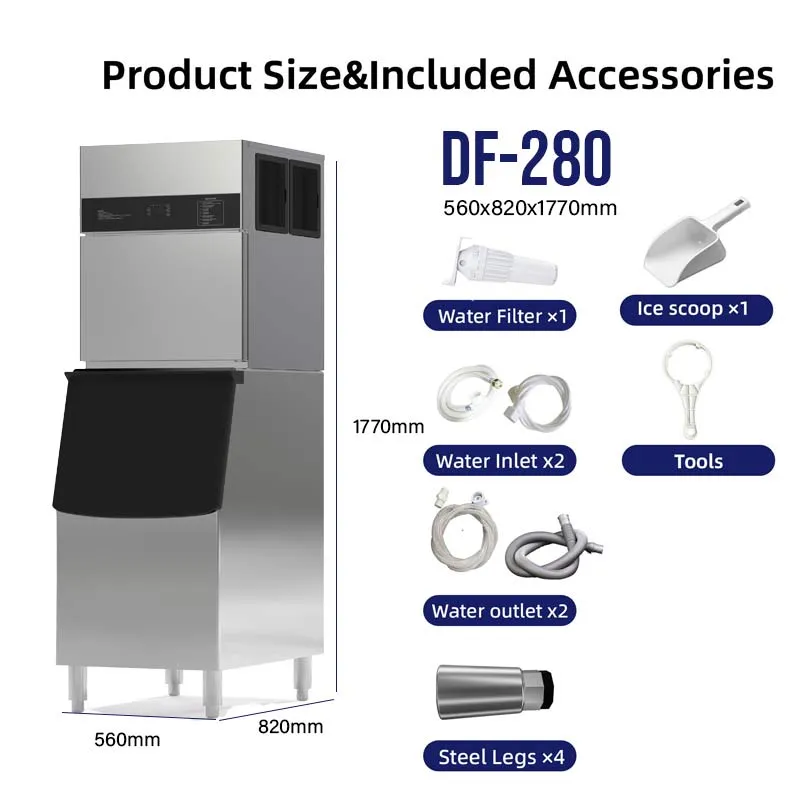
Smaller operations (cafes, bars, small restaurants) are generally well-served by undercounter units that combine the ice maker and storage bin in one cabinet. Larger operations (hotels, banquet halls, high-volume restaurants) should consider modular systems where the ice-making head sits on a separate, larger storage bin. Modular designs allow you to scale capacity without replacing the entire system.
Related Topics for Your Ice Maker Business Research
- How Much Water Does a Commercial Ice Machine Use
- What Size Ice Machine for a Coffee Shop?
- How Much is a Commercial Ice Maker?
- How to Make Clear Ice: The Complete Guide to Commercial Ice Makers for Bars
- Sonic Ice Maker: How It’s Made & Why Businesses Love Nugget Ice
- Commercial Ice Machine for Restaurant: The 2026 Buyer’s Guide by Type & Need
- Air Cooled vs Water Cooled Ice Machine: The 2026 Buyer’s Guide
Buying a Commercial Ice Machine — Quick Answers
Where can I buy an ice machine for my restaurant?
For commercial-grade reliability, buy directly from the manufacturer or through a certified restaurant supply store. Online marketplaces offer convenience but require careful vetting of warranty terms and certifications.
How much does a commercial ice machine cost?
Commercial ice machines range from approximately1,800 for compactunder counterunits to 25,000+ for high-capacity modular systems. Installation, water filtration, and ongoing maintenance add to the total cost. Always look past the sticker price to find the total cost of ownership.
What certifications should a commercial ice machine have?
NSF certification for food safety is non-negotiable in the United States. Also look for CE and ETL certifications for electrical safety, and ISO9001 for manufacturing quality. Health inspectors actively look for the NSF seal.
Should I buy a used commercial ice machine?
Used machines come with significant risk: no warranty coverage, unknown maintenance history, and potential scale buildup that permanently damages components. Unless you can physically inspect the machine and verify its condition, the savings rarely justify the risk.
How long does a commercial ice machine last?
With proper maintenance—deep cleaning every 6 months and consistent water filter changes—a commercial ice machine from a quality manufacturer lasts 7 to 10 years. Premium units can exceed 15 years.
What‘s the difference between commercial and home ice makers?
Commercial machines are engineered for continuous operation with stainless steel components, industrial-grade compressors, and daily capacities of 80 to 2,000+ lbs. Home units produce 25–50 lbs/day and use plastic parts that degrade quickly under commercial use.