How to Use an Ice Machine Correctly: A Complete Guide for Beginners
Author:
Paeson
January 20, 2026
How To Use Commercial Ice Maker Machine
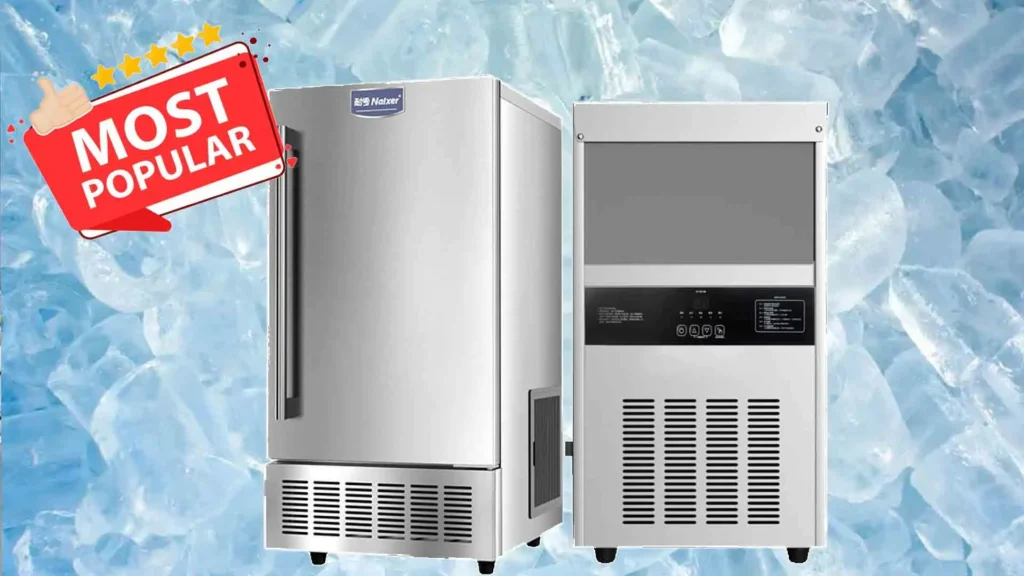
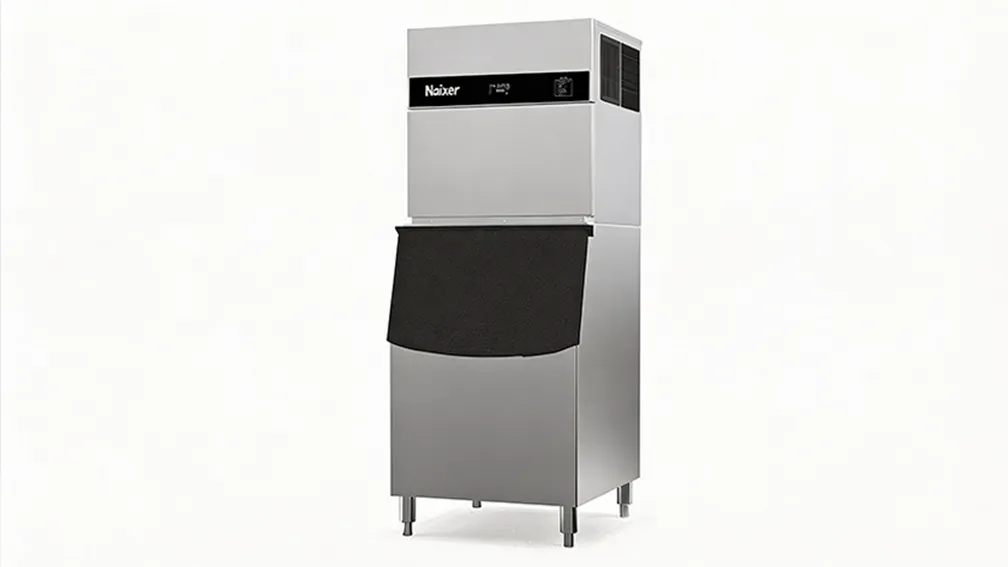
Whether your Naixer commercial ice maker machine is for daily use in a cafe or milk tea shop, or for the back kitchen of a hotel or restaurant, proper use is crucial to ensuring smooth operation, extending its lifespan, and obtaining clean and safe ice. Many users overlook simple operating details, leading to decreased performance, unusual noises, and even malfunctions. In this guide, we will provide you with detailed information on every aspect from installation to maintenance, offering clear steps and practical tips – perfect for first-time users!
Pre-Use Preparation: Lay the Foundation for Safe Operation
Before plugging in your ice machine, take these essential steps to avoid damage and ensure safety (follow the product manuals core requirements):
1. Choose the Right Placement
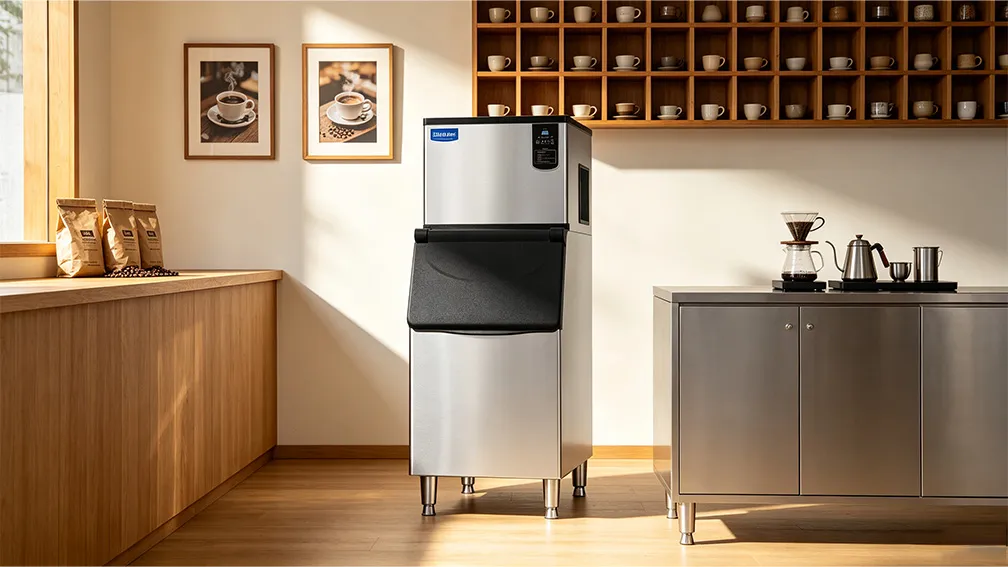
Environment requirements: Use the machine indoors only—avoid outdoor exposure to rain or direct sunlight (which can cause electric leakage or overheating). The ideal operating temperature is 5°C to 38°C.
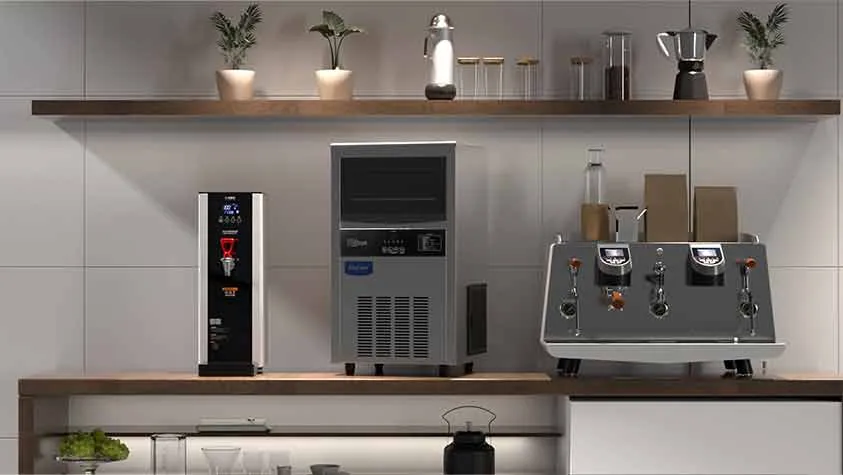
Space for ventilation: Leave at least 5cm of clearance around the air inlets and outlets, and 10cm if the environment might exceed 38°C. Keep it away from stoves, grills, or other heat sources.
Stable surface: Place the machine on a flat, sturdy floor. Adjust the adjustable feet to level it—this prevents tipping and ensures smooth ice-making.
2. Safety Checks for Power & Water
Power supply: Use a grounded socket that matches the voltage marked on the machine’s nameplate. Never use an ungrounded outlet or extension cord (risk of electric shock).
Water source preparation:
Please connect the water inlet to clean drinking water. Water quality has a significant impact on the appearance and taste of ice cubes. To keep your ice cubes clean, please install a high-quality water purification system.
The water supply pressure must be controlled between 130 kPa and 550 kPa. If the pressure exceeds the limit, a pressure reducing valve must be installed. Do not allow the inlet hose to be squeezed.
Water source preparation
Static placement: If the machine was just delivered, let it sit for 24 hours before use—this stabilizes the compressor and avoids damage.
Step-by-Step Operation: How to Make Ice Like a Pro
Once you are ready, please follow these simple steps to begin making ice. We will cover the basic operation of the B-series ice cube maker machines, ice thickness adjustment, and important safety precautions:
1. First-Time Use: Clean Before Making Ice
New machines (including commercial ice maker machines) may have factory residues, so run a cleaning cycle first: Press and hold the power button for 5 seconds to activate cleaning mode (varies by model—check your manual). Let the cycle complete (15-30 minutes), then drain the water and repeat once more.
Wipe the ice storage bin and interior with a soft cloth dipped in neutral detergent (avoid harsh chemicals like bleach or alcohol)—critical for maintaining hygiene in commercial ice maker machines used for food service.
Clean Before Making Ice
2. Start Making Ice
Power on: Press the power button— the indicator light will stay steady when the ice cube maker machine is ready.
Adjust ice thickness: Most models have “+” and “-” buttons to adjust ice thickness.
Summer/hot environments: Set to 25-45 (thicker ice melts slower, ideal for commercial ice maker machines in cafes).
Winter/cold environments: Set to 10-30 (thinner ice forms faster, great for home use).
Note: Adjustments take effect after the next ice-harvesting cycle.
Wait for ice: The first batch of ice takes 15-30 minutes (longer than subsequent batches). Be patient—don’t restart the machine prematurely, especially for air cooled ice makers that need time to stabilize cooling.
Retrieve ice: Use the included ice shovel to take ice; never use your hands (risk of frostbite or contamination). Close the storage bin door immediately after to keep ice fresh—essential for commercial ice maker machines serving customers.
3. Shutdown & Long-Term Storage
Normal shutdown: Press and hold the power button for 3 seconds to turn off the machine. Drain any remaining water from the tank and storage bin, whether it’s a home ice cube maker or a commercial ice maker machine.
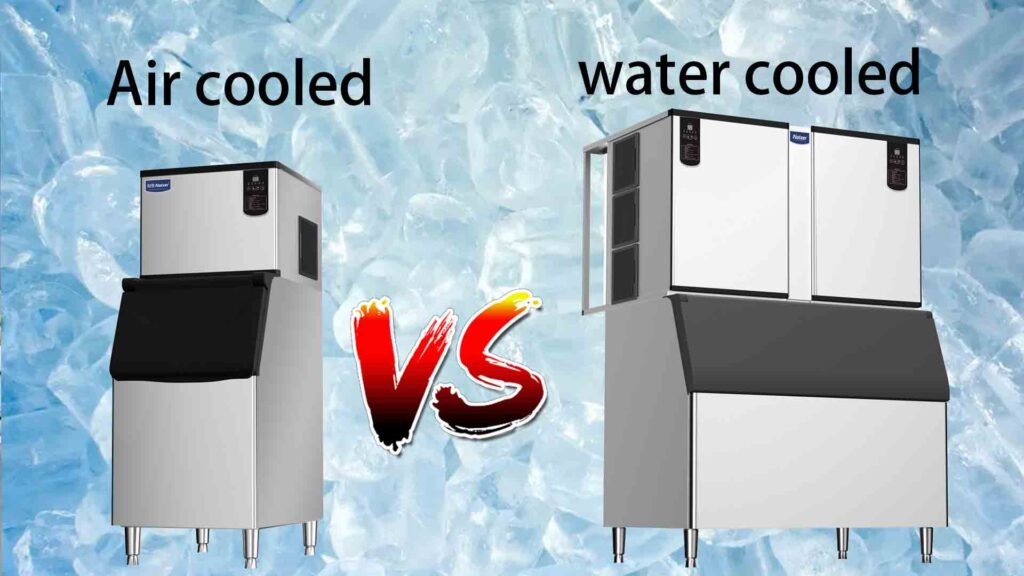
Long-term non-use: If you won’t use the machine for over a month, clean it thoroughly, dry the interior completely, and run it for 4-6 hours every two months to keep components functional—this applies to all models, including air cooled ice makers and water cooled ice makers.
Daily Use Tips: Avoid Common Mistakes
Small habits can make a big difference in your ice machine’s performance, regardless of whether it’s a build in ice cube maker or a commercial ice maker machine:
Never store food, drinks, or other items in the ice storage bin—this causes contamination and affects ice quality, a major concern for commercial ice maker machines in food service.
Keep the area around the machine clean: Dust or debris blocking vents will reduce cooling efficiency and overwork the compressor—especially critical for air cooled ice makers that rely on airflow.
Avoid opening the storage bin door frequently: This lets warm air in, making ice melt faster and increasing energy consumption—costly for commercial ice maker machines running all day.
Cleaning & Maintenance: Keep Your Machine Running Like New
Regular maintenance prevents mold, mineral buildup, and breakdowns. Follow these guidelines (from the product manual) for all models, including air cooled ice makers and water cooled ice makers units:
1. Routine Cleaning (Weekly)
Unplug the machine and close the water supply first—safety first for both build in ice machine and commercial ice maker machines.
Wipe the exterior and interior with a soft cloth dipped in warm water and neutral detergent.
Rinse the water tank and storage bin with clean water, then dry thoroughly with a towel.
Clean the air filter (if applicable) by rinsing it under running water and letting it air dry—important for ice cube maker machines with built-in filtration.
Routine Cleaning
2. Deep Cleaning (Monthly)
Unplug the machine and close the water supply first—safety first for both home and commercial ice maker machines.
Wipe the exterior and interior with a soft cloth dipped in warm water and neutral detergent.
Rinse the water tank and storage bin with clean water, then dry thoroughly with a towel.
Clean the air filter (if applicable) by rinsing it under running water and letting it air dry—important for ice cube maker machines with built-in filtration.
Internal structure of an ice maker
3. Cleaning Mode Operation
Some ice cube maker machines have an automatic cleaning function: Press the “Clean” button (or hold the power button for 5 seconds) to activate.
The cleaning cycle lasts 15-30 minutes. Afterward, run 2-3 water-only cycles to rinse away any residual cleaning solution—critical for commercial ice maker machines to avoid affecting ice taste.
Common Troubleshooting: Fix Issues Quickly
Don’t panic if you encounter problems—most are easy to resolve with these solutions (matching the manual’s fault codes and fixes) for all models, including air cooled ice makers and commercial units:
Issue
Possible Cause
Solution
Water refill alarm
Low water level in the tank
Add water to the “MAX” line (applies to all ice cube maker machines)
Ice maker stops working
Ice storage bin is full
Remove excess ice (a common issue for commercial ice maker machines during peak hours)
Ice is too thick/thin
Incorrect ice thickness setting
Adjust “+” or “-” buttons and wait for the next cycle
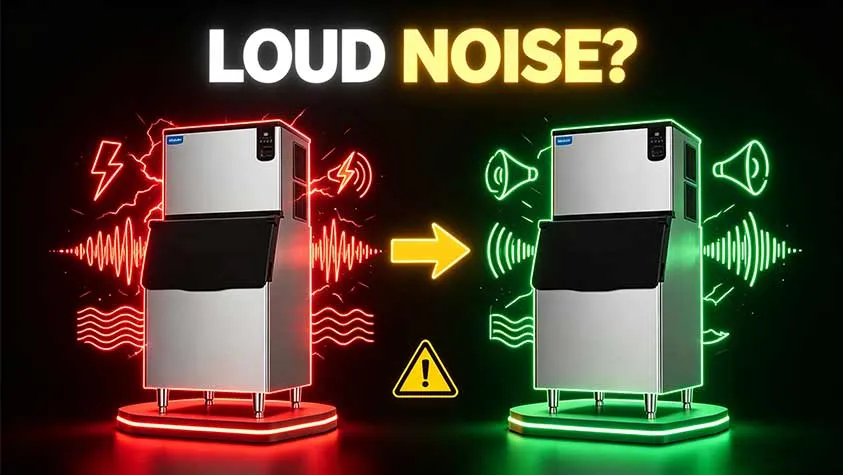
Loud noise
Machine is unlevel or touching other objects
Adjust the feet to level the machine; move it away from walls/furniture
Poor ice quality (cloudy/odorous)
Dirty water tank or filter
Clean the tank and replace the filter—critical for commercial ice maker machines
Compressor overheating (E6 fault code)
Blocked vents or poor ventilation
Clean the condenser fins (especially for air cooled ice makers) and ensure proper clearance
Leakage
Loose water connector or damaged hose
Tighten the joint with Teflon tape; replace damaged hoses (common in commercial ice maker machines with heavy use)
六、FAQs for First-Time Ice Maker Users
Do I need to discard the first batch of ice?
Yes! The first batch may contain residues from cleaning or factory testing—discard it to ensure safe ice, whether using a home ice cube maker or a commercial ice maker machine.
Can I use tap water in my ice cube maker machine?
It’s recommended to use filtered water. Tap water with high mineral content causes faster scale buildup, which damages components and affects ice taste—especially bad for air cooled ice makers and commercial units.
Why is my ice machine taking so long to make ice?
Common reasons: High ambient temperature, low water temperature, or thick ice setting. For commercial ice maker machines, this could also mean insufficient ventilation—check clearance around the unit.
What if my air cooled ice maker doesn’t turn on?
Verify the socket is powered, the plug is fully inserted, and the machine is properly grounded. If still not working, contact customer service—don’t attempt to disassemble commercial ice maker machines yourself.
Conclusion
Using an ice machine correctly isn’t complicated—whether it’s a home ice cube maker, a commercial ice maker machine, or an air cooled ice maker. Just follow the steps for placement, operation, and maintenance. By taking a little time to prepare, clean, and troubleshoot minor issues, you’ll keep your machine running efficiently for years. If you have any specific questions about your model, feel free to leave a comment below, and we’ll help you out!
Carson
Welcome to Guangzhou Naixer Refrigeration Equipment Company Limited! Since 2010, we have been focused on commercial ice machine solutions, helping ice machine distributors and food service professionals worldwide deliver higher-quality ice machines. Our products include commercial ice makers, built in ice makers, ice and water dispensers, and automatic ice vending machines – each designed for maximum profitability. With over 3,000 successful operators in more than 130 countries worldwide, we provide proven strategies, real return on investment data, and expert guidance to help you build a thriving ice making business. Ready to start your passive income journey? 🧊