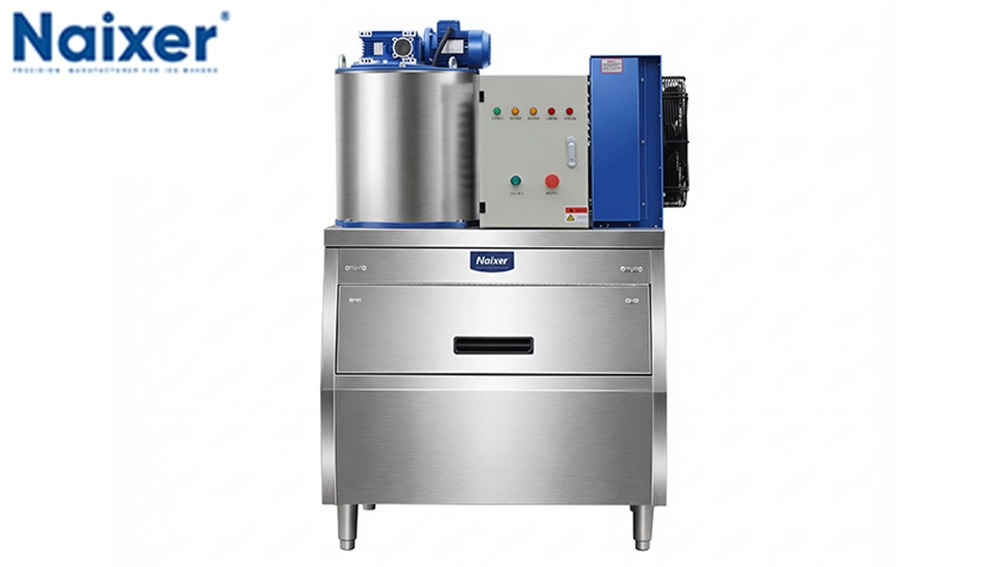
Commercial Ice Machine for Hotels: How to Size, Choose & Place the Right Ice Maker
For hoteliers, a commercial ice machine for hotels isn’t just another piece of kitchen equipment — it’s a cornerstone of guest satisfaction, a workhorse for the bar, and a silent partner in every banquet operation. Yet, selecting the right one often trips up even the most experienced hospitality managers.
Whether you’re managing a 30-room boutique inn or a 400-room conference resort, this guide will walk you through sizing, types, placement, and hidden costs, ensuring you never run out of ice during a wedding reception or a summer rush.
A hotel typically needs at least 5 lbs of ice per room per day to meet guest and operational demand. The best commercial ice machine for hotels strategy combines self-contained full cube ice machines (which save 600–1,500 by including a built-in storage bin) in back-of-house kitchens with dedicated hotel ice dispensers on guest floors. This approach balances high-volume production with convenient self-service, all while using the most versatile ice type — crystal-clear full cube ice.
Table of Contents
What Is the Purpose of Ice Machines in Hotels?
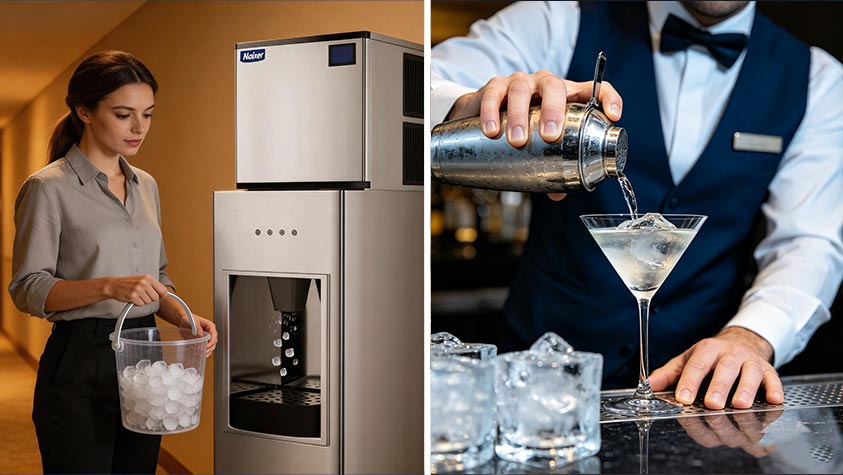
If you’ve ever asked, “what is the purpose of ice machines in hotels,” the answer goes far beyond keeping drinks cold. Ice machines serve four distinct zones within a hotel, each with unique demands:
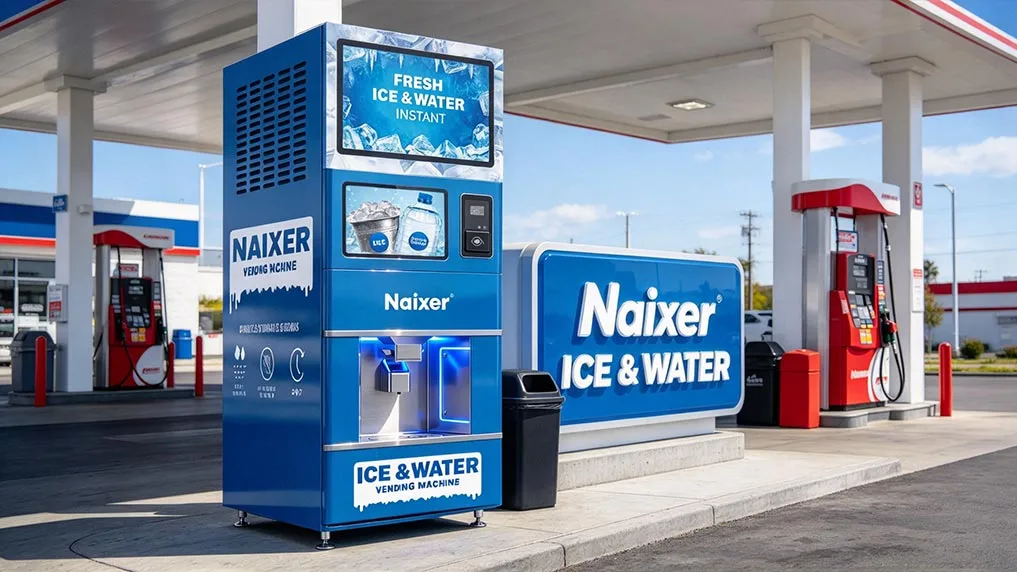
Guest Floors (Self-Service): This is the most visible touchpoint. Guests expect 24/7 access to ice for filling buckets, chilling beverages, or even cooling down injuries. When a guest pads down the hallway at 10 p.m. to fill an ice bucket, the convenience of a nearby machine directly shapes their perception of your hotel’s quality. Providing this amenity isn’t just a tradition — it’s an expected standard that enhances the overall guest experience. hotel ice dispenser machines placed on each floor are the gold standard for this purpose. Travelers have come to expect this amenity much like they expect fresh linens or working Wi-Fi.
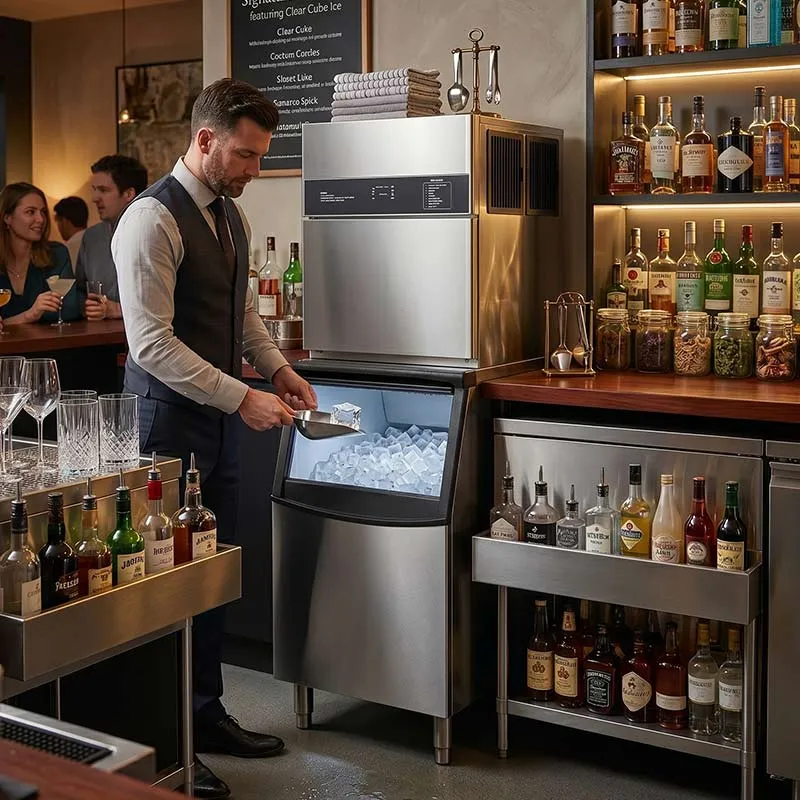
Hotel Bars and Lounges: A lobby bar or rooftop lounge demands high-clarity, slow-melting ice. Cloudy or soft ice ruins the presentation of a premium whiskey or craft cocktail. Full cube ice is the bartender’s choice here, as its density prevents rapid dilution while maintaining a premium look.
Banquets and Catering: When 200 guests sit down for a wedding dinner, the kitchen needs massive volumes of ice in a short window — for water stations, buffet cooling, and beverage service. An undersized ice machine hotel setup will bottleneck your event operations.
Back-of-House Kitchen: From rapidly cooling blanched vegetables to supplying ice for room service, the kitchen relies on a steady, sanitary ice supply. This zone often feeds ice to the rest of the hotel, so it requires a high-capacity workhorse.
Why can’t you simply buy bags of ice from the local supermarket?
Hygiene: You can’t verify the sanitation standards of externally sourced ice. An on-site machine ensures food-grade purity from water to cube by utilizing your building’s filtered water supply.
Cost: Long-term, buying bags is significantly more expensive than producing your own.
Reliability: During a summer heatwave, local stores run out. Your machine won’t.
A well-planned ice strategy is no longer just an operational necessity; it’s a strategic asset that reduces plastic waste, lowers operational costs, and measurably improves guest satisfaction scores across the property.
How to Calculate Your Hotel’s Ice Demand
Use our ice calculator to find the perfect commercial ice maker for your restaurant, bar, or hotel. Learn how to calculate daily ice needs and choose the right machine.
One of the most frequent mistakes in hospitality equipment purchasing is guesswork. Procurement teams often buy a unit that “feels right” rather than running the actual numbers. This leads to either costly shortages on busy weekends or excessive capital tied up in oversized hardware. When planning ice machines for hotels, the industry relies on a simple but reliable formula: 5 lbs of ice per room per day.
The Core Formula
Number of Rooms × 5 lbs = Daily Ice Production Target
The 20% Peak-Season Buffer
Always size for your busiest day, not your average one. A July Saturday with a wedding and a full house demands far more ice than a quiet Tuesday in November. Add a 20% safety buffer:
480 lbs × 1.20 = 576 lbs/day (rounded up to ~600 lbs/day)
Ancillary Demand: Don’t Forget the Extras
Different hotel zones have different needs. Here are proven formulas for other areas of your hotel:
Full-Service Restaurant: 1.5 lbs of ice per guest.
Cocktail Bar: 3 lbs per seat.
Banquet Hall: Add an extra 1–3 lbs per guest for events.
Pool Bar: Similar to a cocktail bar, but with higher summer peaks.
Commercial Ice Machine for Hotels: The Core Equipment Types
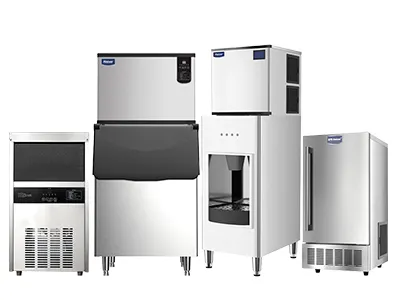
Every hotel has its own rhythm — a boutique inn operates differently from a 400-room conference resort. What they share is this: one size of ice machine rarely fits all zones. The key is matching the right equipment type to each specific area of your property. Here’s a breakdown of the main commercial ice machine for hotels configurations and where each one belongs.
| Equipment Type | Equipment Type | Capacity Range | Pros & Cons |
|---|---|---|---|
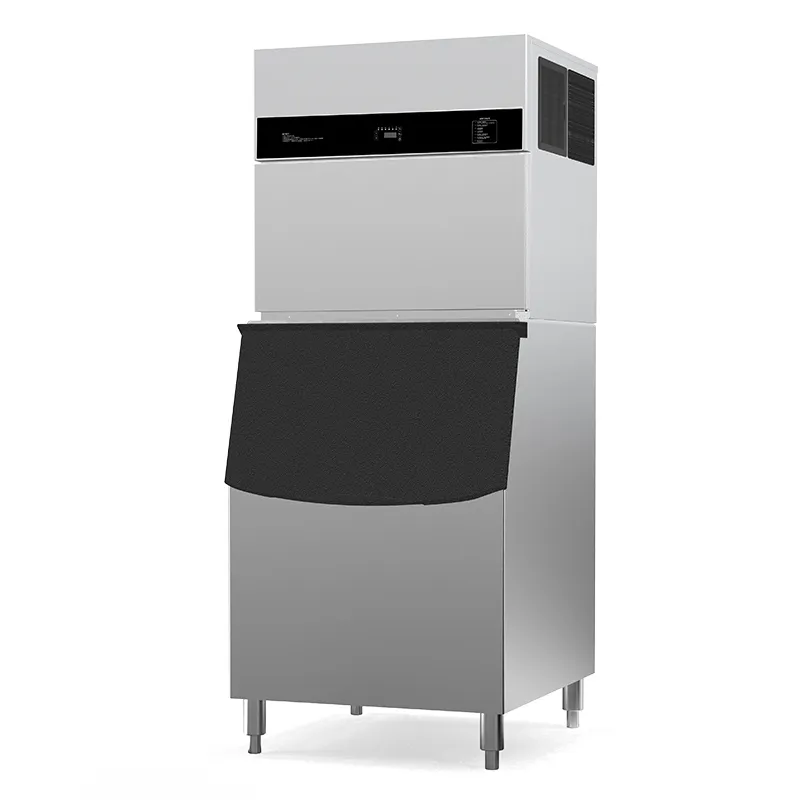
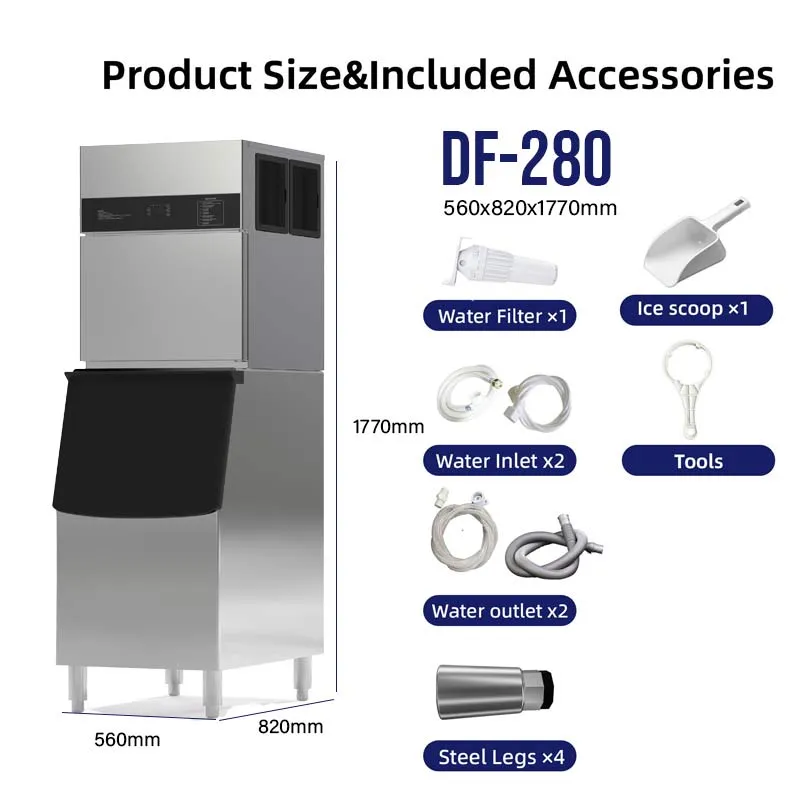
| Modular Ice Head + Separate Bin | Banquet kitchens, large resorts | 500–2,500 lbs/day | High output, but the storage bin is sold separately (adds 600–1,500). This is the hidden cost that catches many first-time buyers off guard. |
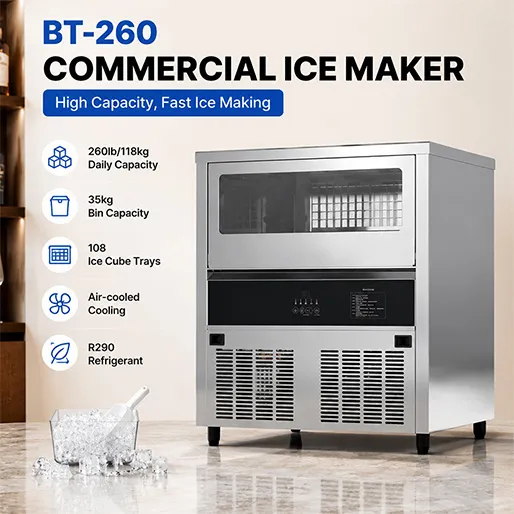
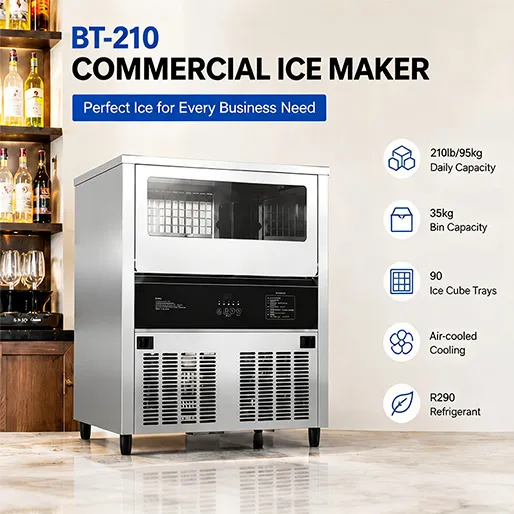
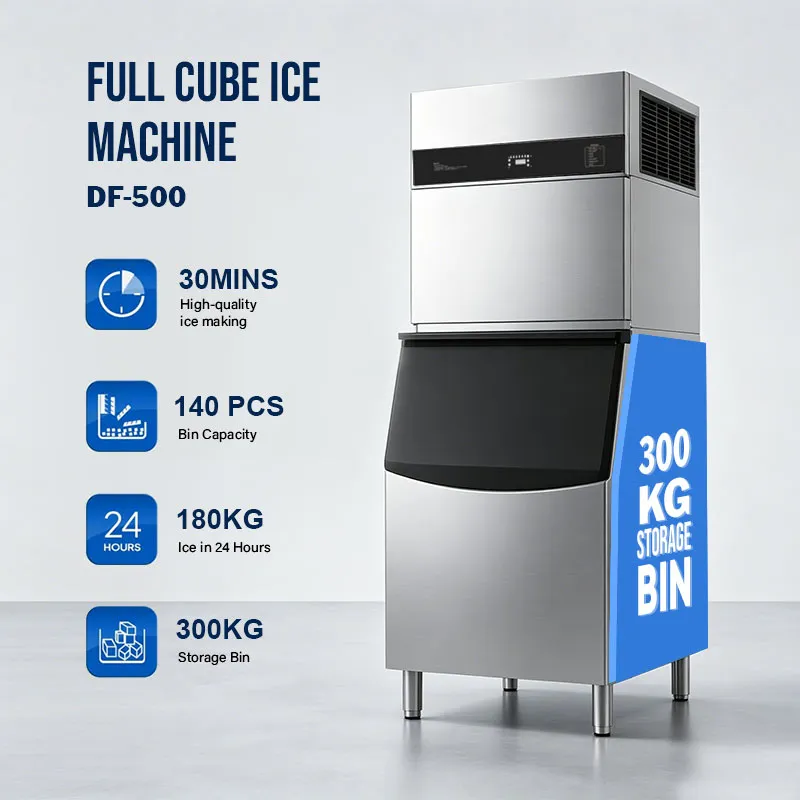
| Self-Contained All-in-One | Mid-size hotels, back kitchen | 250–1,200 lbs/day | Bin is built in, saving 600–1,500 upfront. Single unit, single installation, no compatibility matching required. The Naixer TH series falls into this category. |
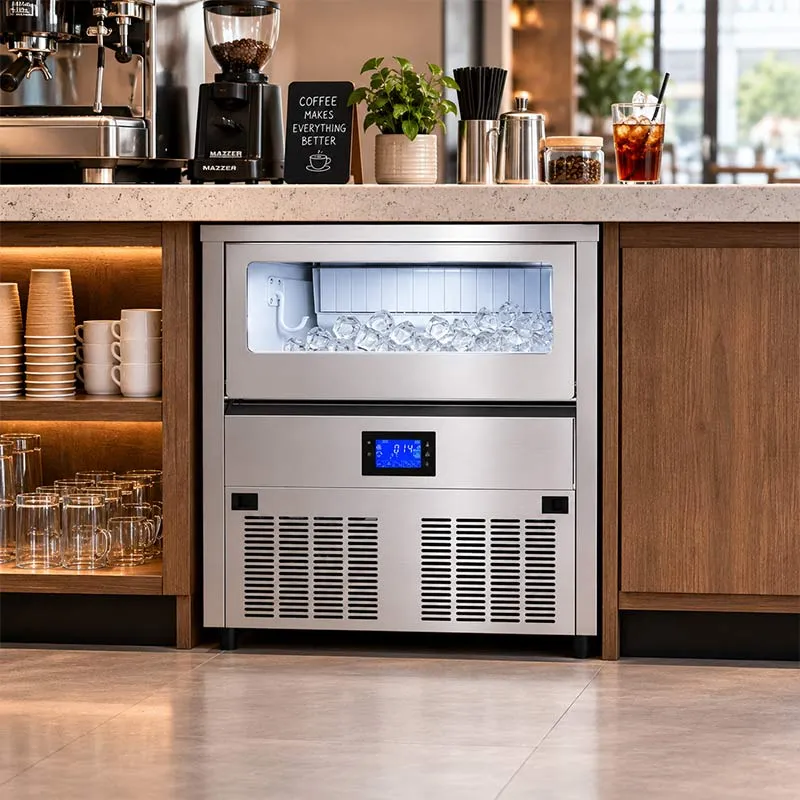
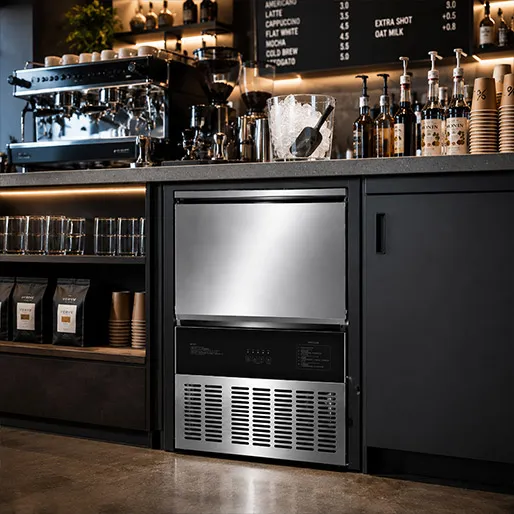
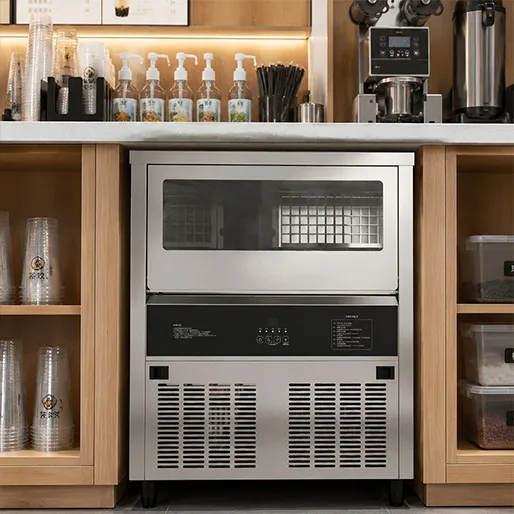
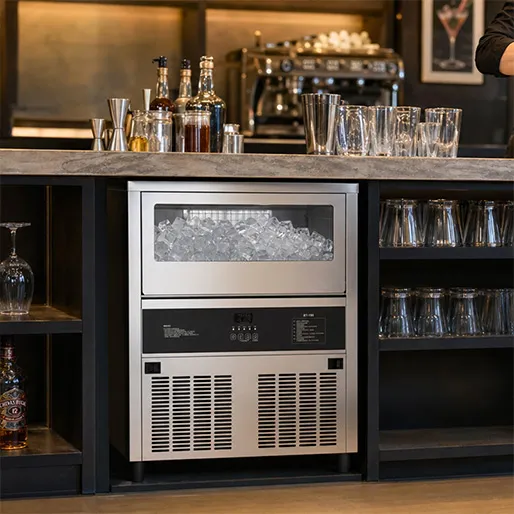
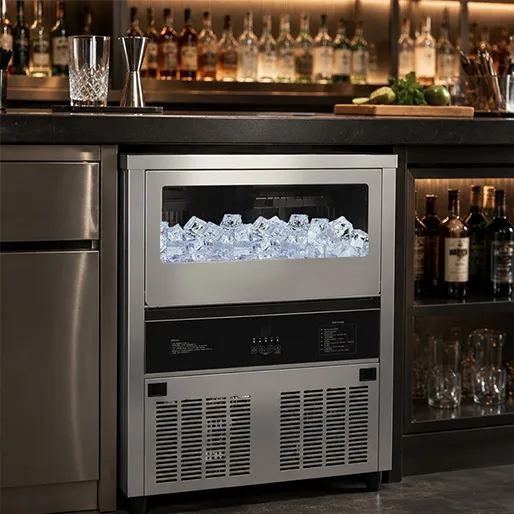
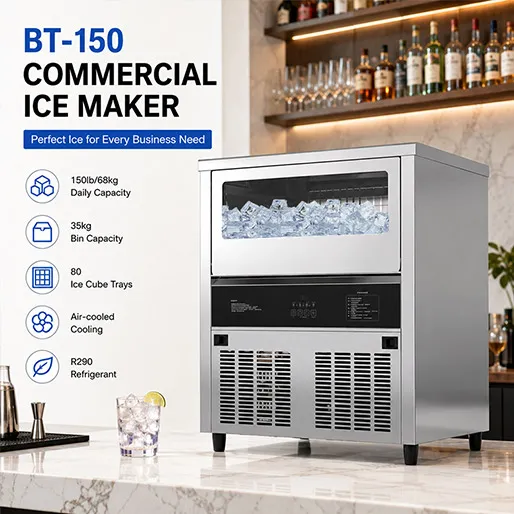
| Undercounter Ice Machine | Lobby bar, pool bar | 50–350 lbs/day | Compact and fits under standard counters, but has limited storage. Works best where space is tight and demand is moderate. |
| Hotel Ice Dispenser | Guest floor corridors | 200–800 lbs/day | Self-serve, sanitary, sealed dispensing. Guests love the convenience; housekeeping loves the reduced mess. |
For most mid-sized hotels, a self-contained commercial ice cube maker machine stationed in the back kitchen — combined with one dispenser per floor — delivers the ideal balance of capacity, convenience, and budget control.
Hotel Ice Dispenser Machine: Guest-Floor Self-Service Done Right
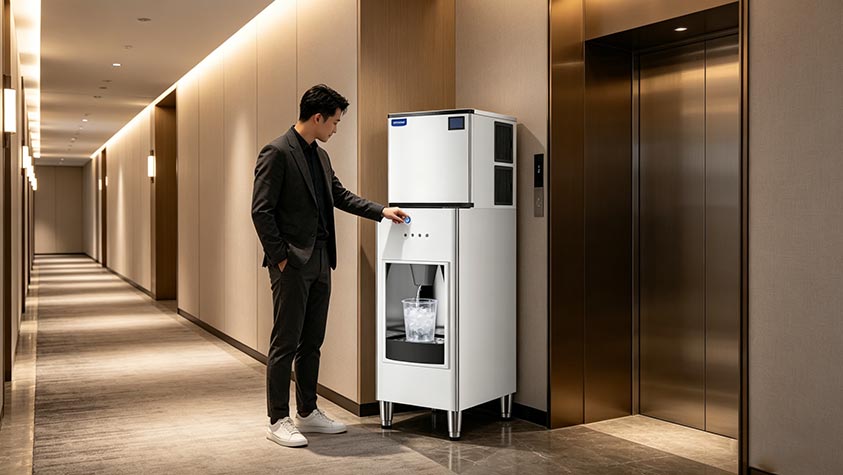
The hotel ice dispenser machine is perhaps the most guest-facing piece of equipment in your entire operation. It’s what your visitors interact with at 11 p.m. in their slippers, so its design and reliability matter enormously.
Why a dedicated dispenser beats a basic ice bin on every floor:
Sanitation: Sealed dispensers protect ice from airborne dust, hallway traffic, and curious hands. Many models meet NSF food-zone safety standards.
Portion Control: Intuitive portion control helps regulate consumption and reduce overall energy consumption and waste.
Quiet Operation: Modern dispensers from premium manufacturers operate extremely quietly — guests staying in the room next door often won’t believe the machine is in such close proximity.
Aesthetics: With elegant, lean looks, modern units are designed to almost disappear into contemporary hotel interior designs.
Placement Rule of Thumb: One dispenser per floor, ideally near the elevator bank or vending area. Avoid placing the dispenser directly opposite guest room doors — even the quietest machine produces some sound at 2 a.m. For smaller properties, a centrally located dispenser on a middle floor can serve the entire building.
Full Cube Ice: The One Shape Every Hotel Needs
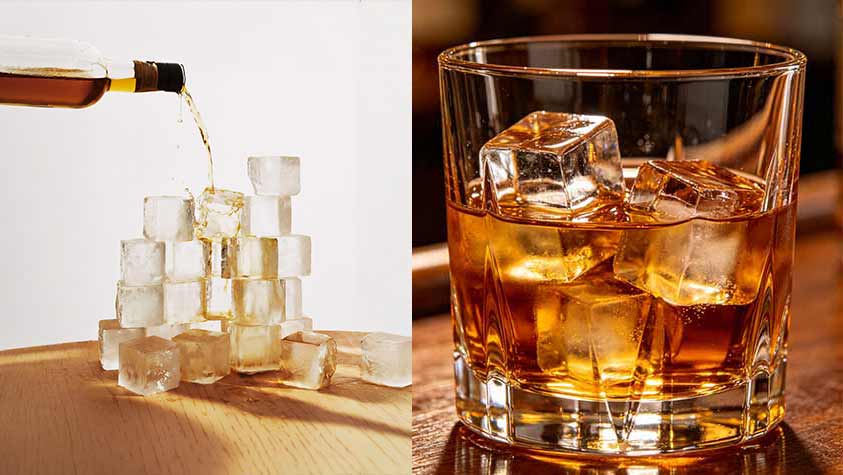
Not all ice is created equal. The shape of your cubes directly affects melt rate, drink dilution, and how guests perceive beverage quality. Among standard ice types, crescent cubes and full cubes melt slowly. Nugget ice and flake ice melt the fastest because they contain more air and have greater surface area.
Here’s how the main commercial ice types apply to hotel environments:
| Ice Type | Melt Speed | Best Hotel Use |
|---|---|---|
| Full Cube (22×22×22mm) | Slowest | Bars, banquets, guest buckets, bagged retail — the all-around workhorse |
| Half Cube | Moderate | Self-serve soda fountains, fast-casual outlets |
| Nugget (Chewable) | Fast | Poolside smoothies, health spa, guest floors (for those who prefer chewable ice) |
| Flake | Fastest | Seafood buffets, food displays, therapeutic applications |
Why full cube ice is the hotel industry’s top choice:
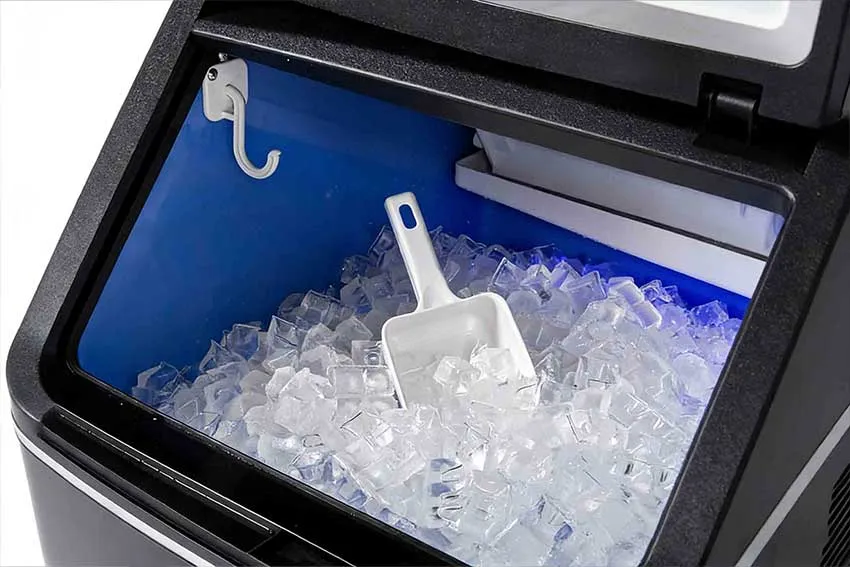
Full cube ice possesses the smallest surface-to-volume ratio among standard commercial ice types. The density of a full cube makes it the slowest to melt, preventing drink dilution over longer periods. This is essential for banquet halls, hotel ice dispensers, and fine dining water service. A single clear ice cube machine producing full cube ice serves cocktails at the lobby bar, water stations at a conference, and guest buckets on the third floor — no need to purchase and maintain multiple specialty machines.
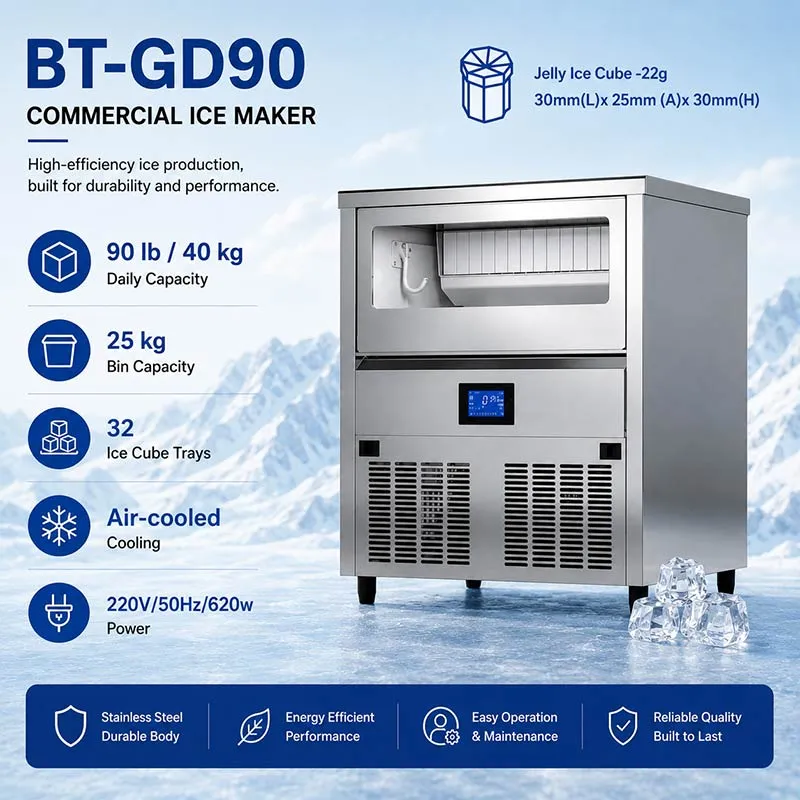
For properties that also want chewable ice for pool bars or guest floor dispensers, adding a nugget ice machine (like the Naixer BT-GD90) creates a complete ice program. But if you’re starting with one machine, full cube is the most versatile foundation.
Where to Place Ice Machines in a Hotel
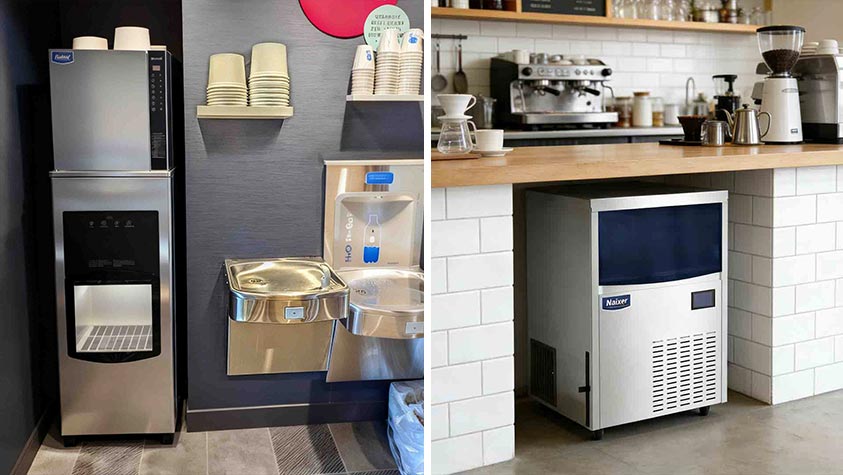
Placement is about both guest experience and equipment longevity. The wrong location cuts machine performance by 15–20% and shortens equipment lifespan through heat stress.
Guest Floors (Hotel Ice Dispenser):
Position near elevators or in a dedicated alcove, centrally accessible but away from guest room doors.
Ensure the floor surface is level and the area has adequate drainage access.
Airflow matters even in corridors: 6 inches of clearance around the machine.
Lobby Bar / Pool Bar (Undercounter):
Directly behind or adjacent to the bartender’s station for quick access.
Undercounter machines fit standard bar dimensions, but verify counter height and knee clearance before ordering.
Back Kitchen / Banquet Prep (Self-Contained All-in-One or Modular):
Locate near the service elevator to simplify distribution to banquet halls and guest floors.
Ambient temperature is critical: machines perform optimally at 70°F and suffer noticeable performance drops above 90°F. Never install near ovens, fryers, dishwashers, or direct sunlight.
Verify dedicated power circuits (220V or 115V depending on model), cold water supply, and floor drain access.
Common Placement Mistake: Placing a large ice machine in a hot, unventilated closet because it’s “out of the way.” The machine will struggle to reach rated capacity, and service technicians will hate accessing it for routine maintenance. A machine installed under poor ambient conditions may produce 20–30% less ice than its nameplate rating.
Related Topics for Your Ice Maker Business Research
- How Much Water Does a Commercial Ice Machine Use
- What Size Ice Machine for a Coffee Shop?
- How Much is a Commercial Ice Maker?
- How to Make Clear Ice: The Complete Guide to Commercial Ice Makers for Bars
- Sonic Ice Maker: How It’s Made & Why Businesses Love Nugget Ice
- Commercial Ice Machine for Restaurant: The 2026 Buyer’s Guide by Type & Need
- Air Cooled vs Water Cooled Ice Machine: The 2026 Buyer’s Guide
Frequently Asked Questions
Q: What is the purpose of ice machines in hotels?
A: Hotel ice machines serve four main functions: guestroom ice for beverages and personal use via floor-level dispensers, bar and lounge drink service requiring high-clarity ice, banquet and event catering operations, and back-of-house kitchen food preparation. They’re a standard amenity that enhances guest satisfaction by providing 24/7 convenient access to clean, sanitary ice.
Q: How much ice does a hotel need per room per day?
A: The widely accepted industry standard is 5 lbs of ice per room per day. A 120-room hotel at 80% occupancy requires approximately 480 lbs of daily ice production, plus a 20% peak-season buffer — totaling roughly 575 lbs/day. Hotels with banquet halls should add 1–3 lbs per event guest, and cocktail bars require roughly 3 lbs per seat.
Q: What type of commercial ice machine is best for a hotel?
A: A combination approach works best: self-contained full cube ice machines in back-of-house kitchens for high-volume production, hotel ice dispenser machines on guest floors for self-service, and undercounter units at bars and lounges. For most mid-size properties, the self-contained all-in-one approach delivers the best value, since the storage bin is already built in — eliminating the 600–600–1,500 separate bin purchase that modular systems require.
Q: How does full cube ice compare to nugget ice for hotel use?
A: Full cube ice melts significantly slower than nugget ice, making it the superior choice for premium cocktails, banquet water stations, and in-room ice buckets. Nugget ice (also called chewable or “Sonic” ice) is softer, more porous, and popular for fountain sodas, smoothies, and healthcare applications. Most hotels use full cube ice as their primary ice type, then add a nugget machine for specific zones like pool bars or spa areas.
Q: Should I buy a separate ice bin or an all-in-one machine for my hotel?
A: For most hotels, the self-contained all-in-one machine is the better value. Modular systems require a separate bin purchase that adds 600–600–1,500 beyond the ice head cost — a line item many first-time buyers overlook. Self-contained units arrive with the bin built in, require one installation rather than two, and eliminate the maintenance complexity of bin-to-head alignment and gasket leaks that modular systems introduce over time.