How Long Does a Restaurant Ice Machine Take to Make Ice?
Author:
Paeson
April 20, 2026
How Long Does a Restaurant Ice Machine Take to Make Ice?
Let‘s cut to the chase. Most commercial cube ice machines take 7 to 25 minutes per cycle. That’s the number you‘ll see on spec sheets and product pages. Some machines advertise 11-15 minutes, others claim 12-15 minutes, and a few can push ice out in as little as 5-8 minutes. Crescent ice machines run slower—typically 27 to 30 minutes per cycle.
But here‘s the thing. If you’re a restaurant owner or manager, that number barely matters.
What actually matters is whether you run out of ice at 8 p.m. on a Friday when the bar is three deep and every ticket has an iced drink on it. Your machine might crank out a batch every 12 minutes. But if the bin is empty and the line is growing, 12 minutes feels like forever.
So let‘s talk about what really counts.
Table of Contents
Why “15 Minutes” Doesn‘t Tell the Whole Story
That 7-25 minute number is what the machine does once it’s fully up and running. It doesn‘t tell you the full story.
First, the initial batch takes longer. When you fire up a cold machine, the system has to pull everything down to freezing temperature. That first batch might take 20 to 30 minutes before you see any ice drop. If you’re opening at 11 a.m., don‘t turn the machine on at 10:55.
Second, the environment matters. A commercial ice machine sitting next to a 400-degree pizza oven or crammed under a counter with no airflow is going to run slower. Every degree hotter the ambient air is, the harder the compressor works. Poor ventilation can stretch a 15-minute cycle into 25 minutes without you even realizing it. High ambient temperatures are one of the most common causes of reduced ice output.
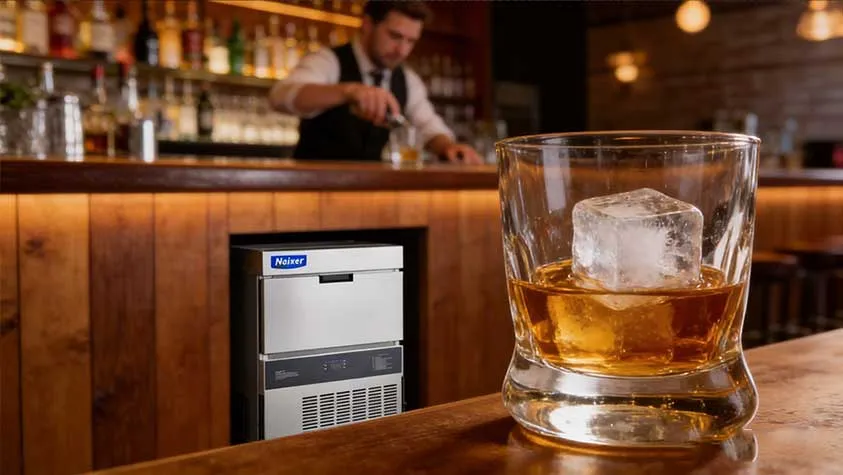
Third, ice type changes everything. Crescent ice—the half-moon shape that specialty coffee shops love—takes 27 to 30 minutes per cycle. Flake ice and nugget ice are the speed demons, often ready in 5-8 minutes. But they melt faster too. Cube ice sits in the middle—reasonable speed, reasonable melt rate.
3 Things Killing Your Ice Production
Sometimes the machine is fine. The problem is everything around it.
1. Warm incoming water. This one catches people off guard. In summer, the “cold” water line isn‘t that cold. Water temperature affects cycle time significantly—warmer water takes longer to freeze. If your machine is pulling 75°F water in August, those cycles stretch out. Where possible, make sure the machine is connected to a true cold water supply.
2. Dirty condenser coils. This is the number one service call. Restaurant kitchens are greasy, dusty places. That grime coats the condenser coils, which are trying to dump heat out of the system. When they’re clogged, the compressor runs hotter and longer. Dirty condenser coils are one of the most frequent causes of ice machine failure. Clean them quarterly. Takes 10 minutes with a brush or a vacuum. Skip this and you‘re paying for it in slow cycles and higher electric bills.
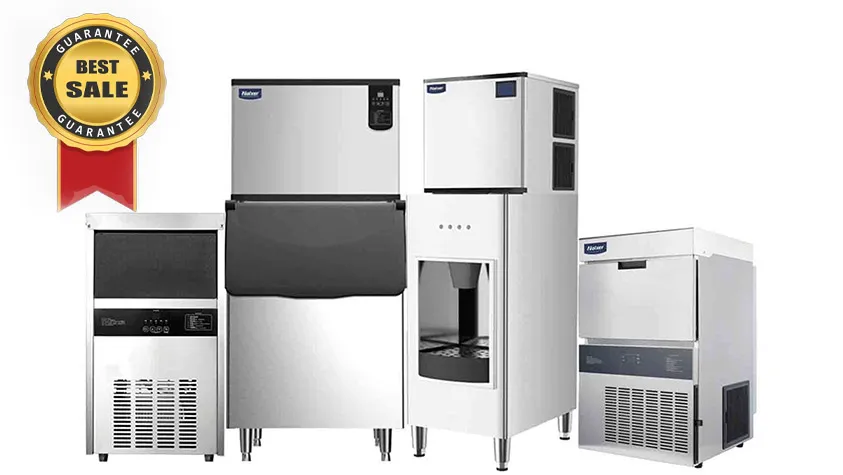
3. Scale buildup. If you’re in a hard water area, minerals are quietly destroying your evaporator. Scale acts like a layer of insulation—heat can‘t transfer efficiently, so freezing takes longer. Over time, this also kills components. A water filter is cheap insurance. Replace it every six months. And if your machine has a one-touch cleaning function, use it. Naixer machines include this feature so you’re not scrubbing evaporators by hand.
Use our ice calculator to find the perfect commercial ice maker for your restaurant, bar, or hotel. Learn how to calculate daily ice needs and choose the right machine.
How to Ensure a Continuous Supply of Ice During Peak Usage Periods
You can‘t control exactly how many minutes each batch takes. But you can control whether the bin stays full when it counts.
Size for your peak, not your average. This is the most common mistake. You look at a machine that makes 400 pounds a day and think, “We only use 300 pounds, we’re good.” Wrong. You might use 300 pounds on average, but on Friday night you need 150 pounds in three hours. That‘s a totally different requirement. Buy for the busiest shift, not the Tuesday lunch crowd.
Start the machine early. This sounds obvious, but countless kitchens turn the ice machine on when the first cook walks in. Give it at least an hour, preferably two, before service starts to fill the bin. Better yet, if your machine has a timer function, set it to start at 5 a.m. so you walk into a full bin every morning.
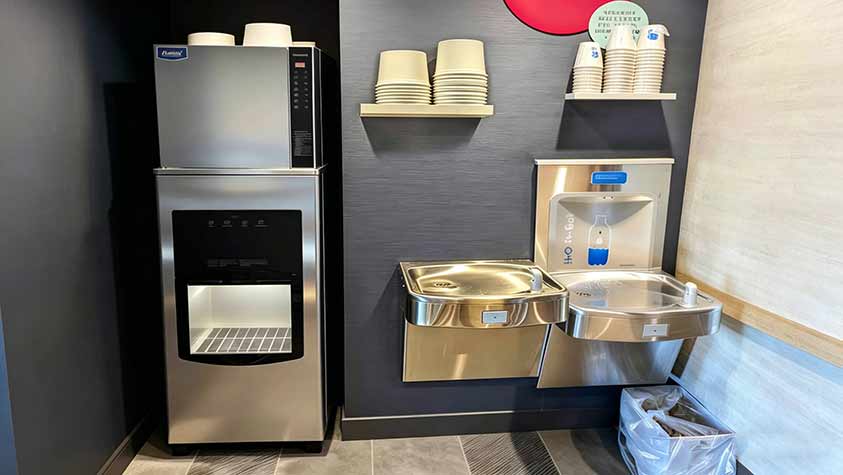
Know your recovery time. Recovery time is how long it takes the machine to refill an empty bin. A machine that makes 400 pounds per day but only holds 50 pounds in the bin will run out faster than one with a 200-pound bin and lower daily output. In high-demand settings, a larger storage bin combined with a 8-15 minute cycle time is what actually prevents shortages. Bin capacity matters as much as production speed.
Use the cleaning features that came with the machine. Modern commercial ice makers come with auto-clean functions for a reason. One-touch cleaning cycles handle the sanitation so you don‘t have to tear the machine apart. A clean machine makes ice faster and lasts longer.
Related Topics for Your Ice Maker Business Research
How long for the first batch? *20-30 minutes. Once the system is cold, cycles drop to 7-25 minutes depending on ice type.*
Why is my machine suddenly slow? Check the condenser coils first. Probably caked with dust. Also check incoming water temperature—summer water is warmer.
Cube vs. nugget ice speed? *Nugget and flake are fastest—5 to 8 minutes per batch. Cube ice takes longer but melts slower in drinks. Crescent ice is the slowest at 27-30 minutes, but it‘s the gold standard for iced coffee.*
How much ice do I actually need? *Rough guideline: 1.5 to 2 pounds per customer per day. A 100-seat restaurant doing two turns on a busy night might need 300-400 pounds just for service.*
How often should I clean the machine? *Deep clean every 3-6 months. Weekly wipe-down of exterior and bin. Replace water filters every 6 months.*
Need help finding the right ice machine for your business?
Naixer Ice has the right machine for you.
Welcome to Guangzhou Naixer Refrigeration Equipment Company Limited! Since 2010, we have been focused on commercial ice machine solutions, helping ice machine distributors and food service professionals worldwide deliver higher-quality ice machines. Our products include commercial ice makers, built in ice makers, ice and water dispensers, and automatic ice vending machines – each designed for maximum profitability. With over 3,000 successful operators in more than 130 countries worldwide, we provide proven strategies, real return on investment data, and expert guidance to help you build a thriving ice making business. Ready to start your passive income journey? 🧊