How Much Does a Commercial Ice Machine Really Cost? The 2026 Total Cost Guide
How Much Does a Commercial Ice Machine Really Cost? The 2026 Total Cost Guide
If you’re searching for “how much does a commercial ice machine cost,” you’re looking for a simple number. But the true answer for 2026 is a formula: Initial Investment + Hidden Setup Fees + Lifetime Operating Costs.
This guide provides a clear breakdown of commercial ice machine costs, the factors that influence them, and the hidden expenses that can catch buyers off guard. Learn how to choose a commercial ice machine →
The 5 Core Factors Driving Cost in 2026
Understanding what influences price is the first step to making a smart purchase.
1. Ice Type & Machine Technology
Machines producing specialty ice types—such as gourmet cube ice or nugget ice— often require more complex engineering. Standard cube ice machines are generally more affordable due to simpler components. Naixer manufactures six commercial ice types, with pricing that reflects the engineering precision required for each.
2. Daily Production Capacity (lbs/day)
Higher daily production capacity drives higher equipment cost. A machine that produces 100 kg/day typically costs significantly less than one producing 500 kg/day. Choose a capacity that matches your actual demand to avoid overpaying. Naixer offers machines from 30 kg to 900 kg per day across various price points.
3. Energy Efficiency & Operating Costs
In 2026, efficiency isn’t optional. Machines with high-efficiency compressors and eco-friendly refrigerants like R290 cost more upfront but save significantly on monthly water and electricity bills.
4. Build Quality, Brand, & Warranty
A machine built with food-grade 304 stainless steel (like those from manufacturers with 16+ years of expertise) may have a higher price but offers greater reliability, longer lifespan (8-10 years), and lower repair costs.
5. Additional Features
Built-in water filtration, IoT connectivity for remote diagnostics, and touchless dispensing add convenience and a cost premium.
2026 Cost Breakdown by Commercial Ice Machine Type
Here is a detailed comparison to translate your needs into a budget. Prices are for new, commercial-grade equipment.
Prices vary by capacity, configuration, and specifications.
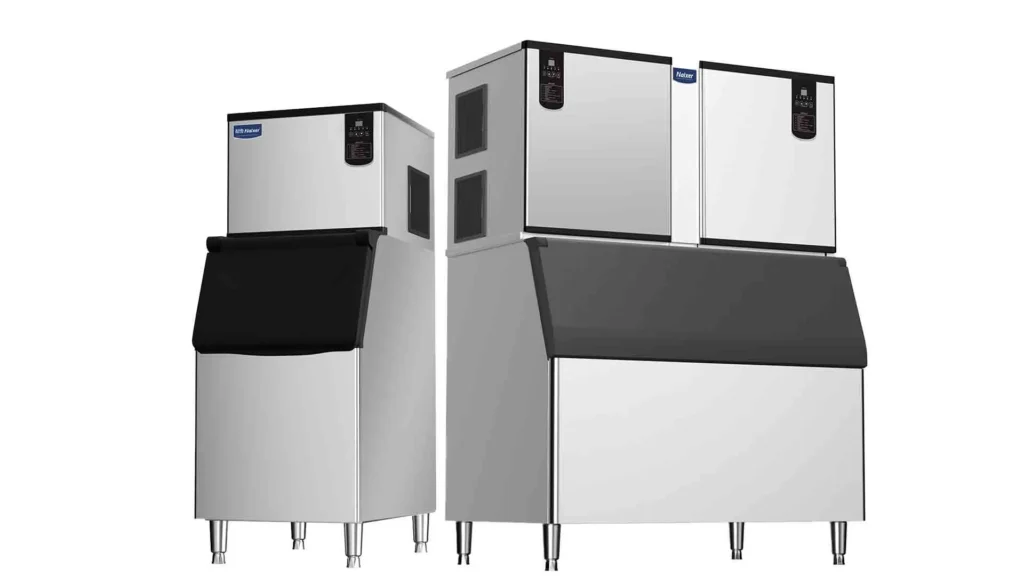
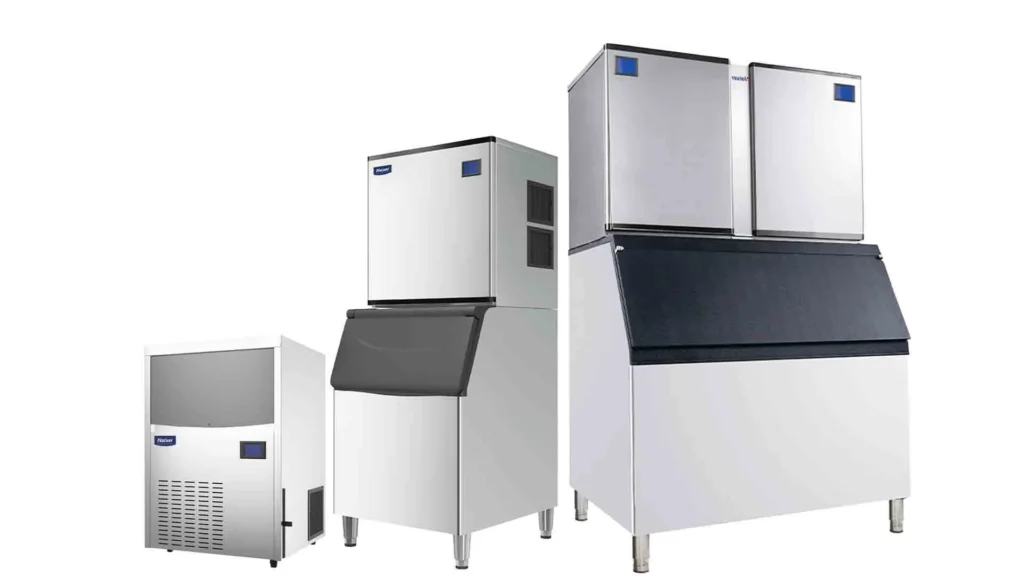
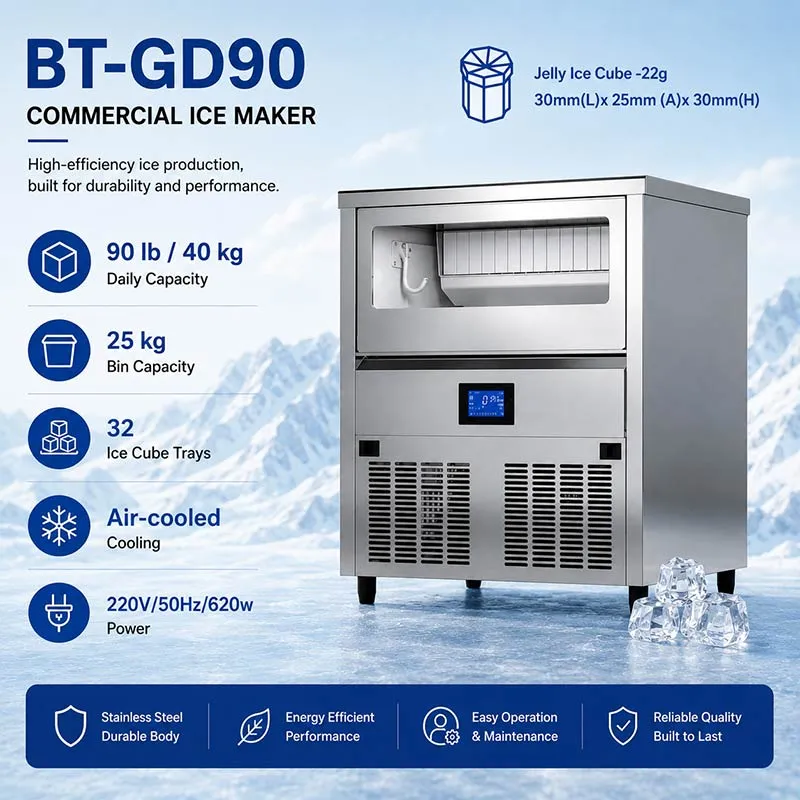
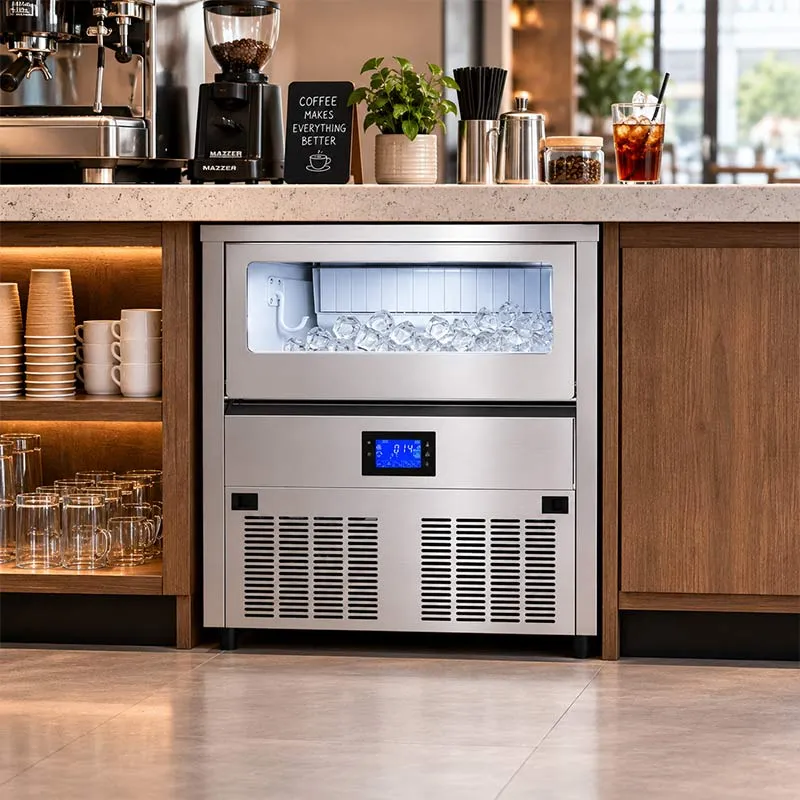
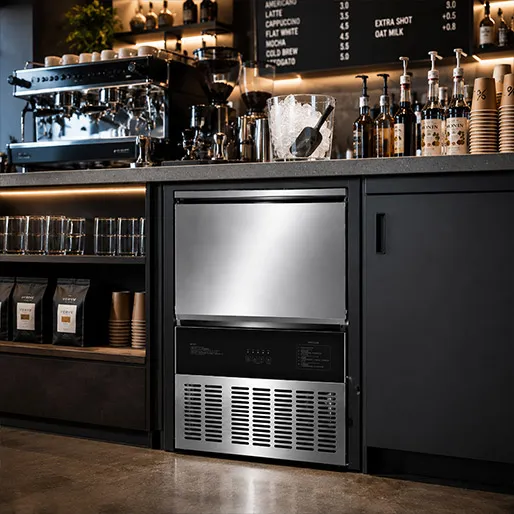
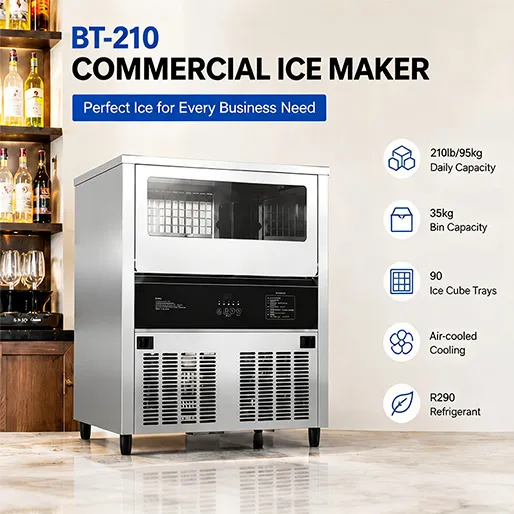
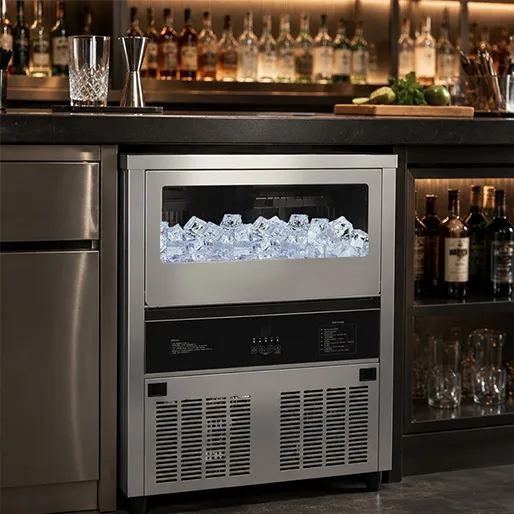
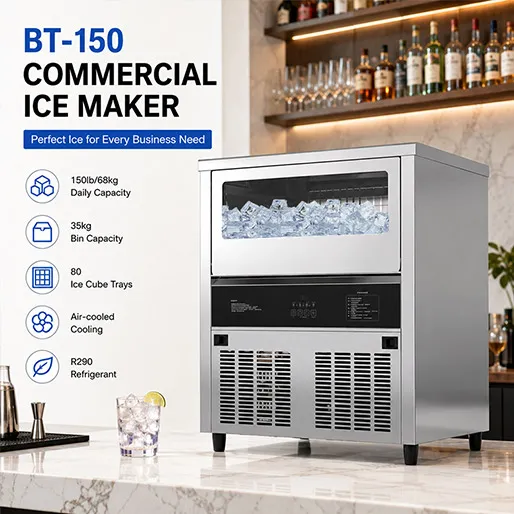
Best For: The universal choice for restaurants, hotels, bars, and cafés.
2026 Price Range:$1,800 – $25,000+
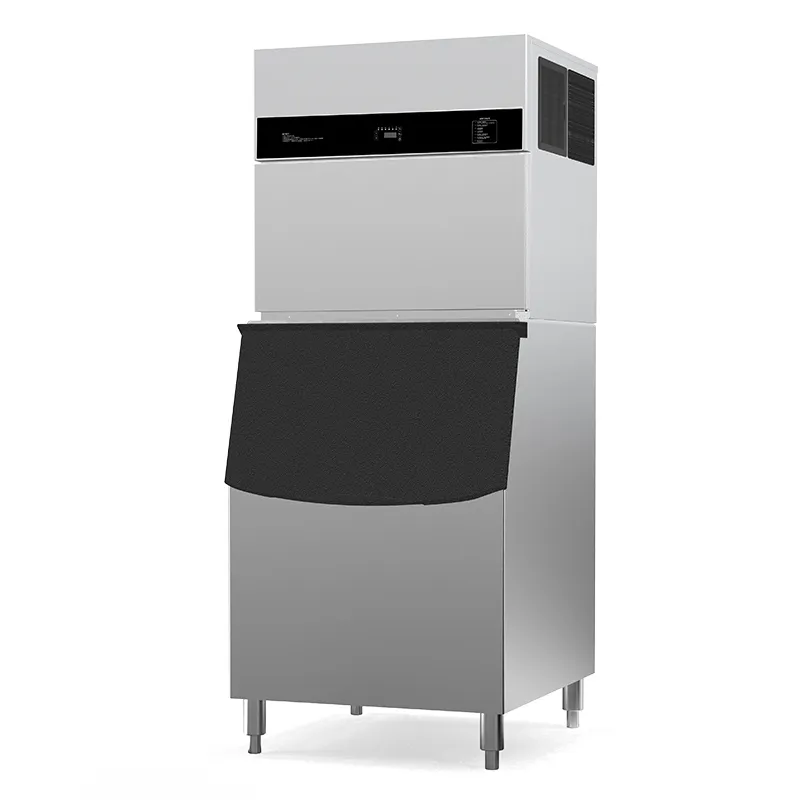
Why the Range? A compact 100 lb/day machine for a coffee shop is at the low end. A high-volume 800+ lb/day powerhouse for a banquet hall commands a premium. Durable construction from trusted brands adds value.
TCO Insight: Consider models from established lines (like a TH-Series) known for stainless steel construction and efficient components to minimize lifetime energy costs.
Best For:Upscale cocktail bars and whiskey lounges where slow-melting, clear ice is part of the premium experience.
2026 Price Range:$800 – $6,000
TCO Insight: The investment preserves profit. Slow-melting ice prevents over-dilution, maintaining the integrity and value of premium spirits. Specialized evaporation plates ensure consistency.
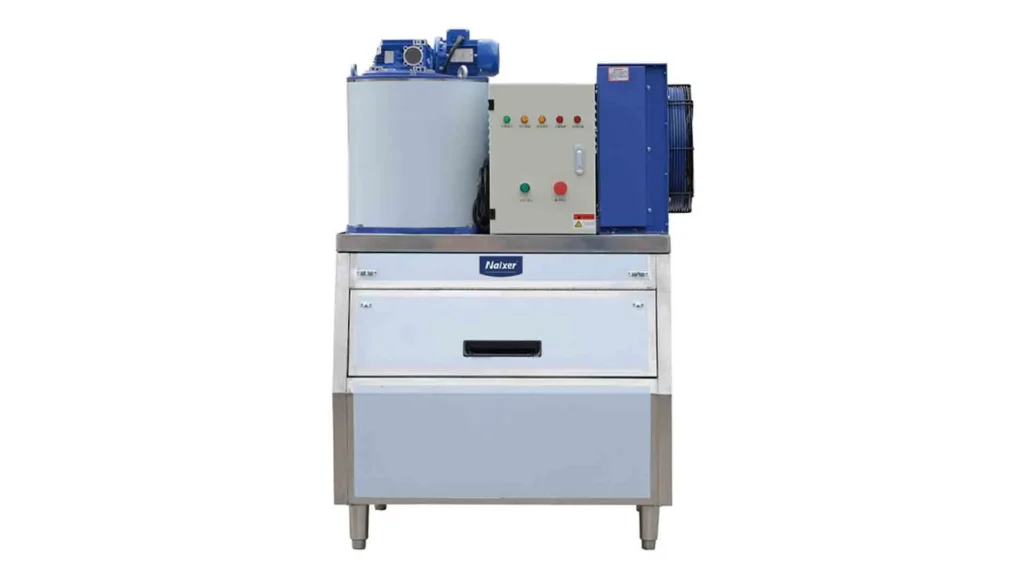
Best For:Seafood display, food processing, healthcare, and supermarkets.
2026 Price Range:$2,500 – $5,000+
TCO Insight: Reliability is critical. A breakdown can spoil valuable inventory. Invest in robust units with good drying systems to maximize preservation.
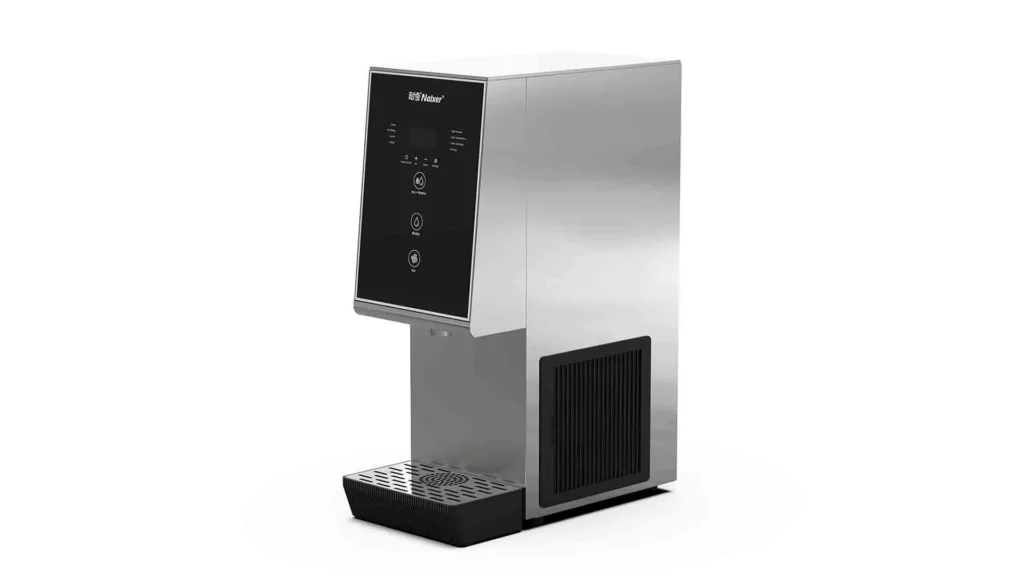
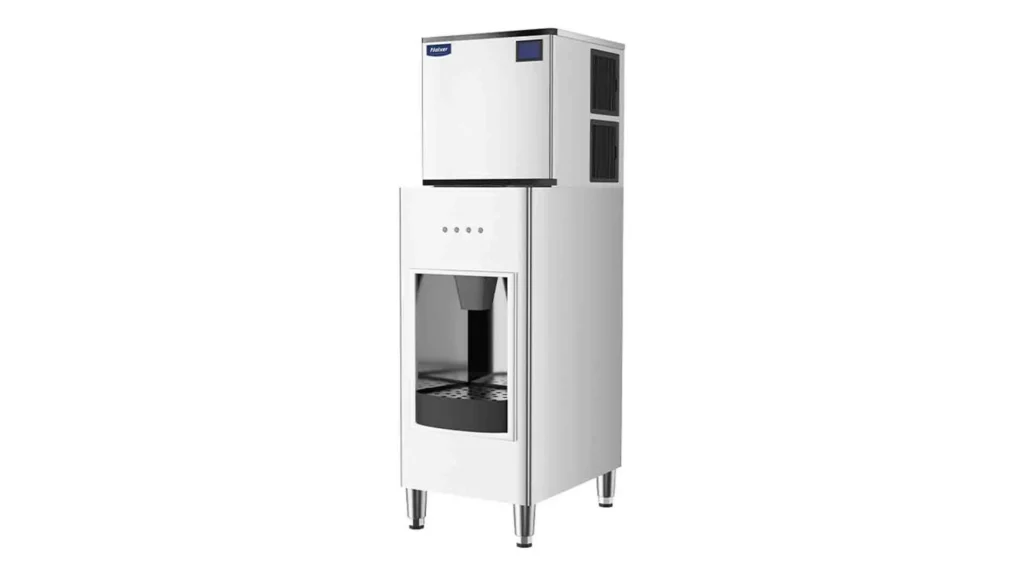
Best For:Office breakrooms, gyms, hotel lobbies, and self-service areas.
2026 Price Range:$1,500 – $5,000+ (as a standalone unit or add-on).
TCO Insight: Convenience drives value. Filter replacement costs should be factored into the ongoing budget.
The Hidden Costs: What They Don't Tell You Upfront
The machine’s price is just the beginning. A $5,000 machine can easily cost $7,000+ in year one.
Delivery & Professional Installation
Delivery:$100 – $500.
Installation:$500 – $2,500+. Complex plumbing, electrical work, or a water line filter will increase cost. Professional installation is often required for warranty validation.
The Silent Budget Drain: Utilities
Expect to spend $50 – $200+ monthly on water and electricity. An energy-efficient model can save thousands over its lifespan.
Pro Tip: Compare the estimated annual energy consumption (kWh) between models.
Maintenance, Repairs & The True Cost of Downtime
Preventative Maintenance:$200 – $600/year for professional cleaning and filter changes.
Unexpected Repairs: A compressor failure can cost $1,000 – $2,500.
Downtime Cost: This is the ultimate hidden expense. A broken machine on a Friday night means lost sales and unhappy customers.
Acquisition Strategy: Buy, Lease, or Buy Used?
Strategy
Upfront Cost
Long-Term Cost
Best For...
Buying New
High
Lowest (over 7-10 years)
Established businesses with capital. You own the asset and benefit from full warranty and latest efficiency.
Leasing
Very Low (monthly fee)
Highest overall
Startups or businesses with tight cash flow/seasonal needs. Maintenance is usually included.
Buying Used
Low
Highly Variable & Risky
Only for experts who can assess condition. Likely has no warranty, higher energy use, and unknown repair history.
Long-Term ROI of Purchasing an Ice Machine
1. Calculate Your Real Need:
Restaurant: 1.5 – 2 lbs of ice per customer.
Bar: 3 – 4 lbs of ice per seat.
Hotel: 5 – 10 lbs of ice per occupied room (for beverage stations).
Add a 25% buffer for peak periods.
2. Get Detailed, Comparable Quotes: Ensure every quote includes: machine model, delivery, installation, and warranty details.
3. Evaluate Total Value, Not Just Price: Research the manufacturer’s reputation, parts availability, and service network. A reliable partner prevents future cost and stress.
4. Make Your Decision: Use the Total Cost of Ownership framework to choose the option that offers the best value for your specific business over time.
Conclusion
Investing in a commercial ice machine is a significant business decision. By focusing on Total Cost of Ownership, you move beyond the sticker shock and make a choice that ensures reliability, controls operational expenses, and supports your bottom line for the next decade.
Need help finding the right ice machine for your business?
Naixer Ice has the right machine for you.
Welcome to Guangzhou Naixer Refrigeration Equipment Company Limited! Since 2010, we have been focused on commercial ice machine solutions, helping ice machine distributors and food service professionals worldwide deliver higher-quality ice machines. Our products include commercial ice makers, built in ice makers, ice and water dispensers, and automatic ice vending machines – each designed for maximum profitability. With over 3,000 successful operators in more than 130 countries worldwide, we provide proven strategies, real return on investment data, and expert guidance to help you build a thriving ice making business. Ready to start your passive income journey? 🧊